

Understanding the Commercial Roof Lifecycle From Installation to Replacement
Every commercial roof moves through predictable stages, from the day it is installed to the day it needs to be replaced, and the choices you make along the way determine how long that journey lasts. Understanding the commercial roof lifecycle helps you budget realistically, schedule maintenance at the right moments, and avoid expensive surprises. A trusted roofing partner can help you identify where your roof sits today and what to expect next. This guide walks through each stage and shows you how to get the most from your investment.
Here’s what this guide covers:
- Why understanding the lifecycle improves planning and budgeting
- The 5 stages every commercial roof passes through
- The warning signs that a roof is nearing the end of its life
- Typical lifespans by roofing material and what shortens them
Why Understanding Lifecycle Cost Helps You Plan and Budget
A roof is one of the largest capital expenses a building owner faces, and it does not last forever. Knowing where your roof sits in its lifecycle turns an unpredictable expense into a manageable, scheduled one, which is something owners, lenders, and tenants all appreciate. Understanding lifecycle cost, meaning what a roof costs over its whole life and not just on installation day, makes that planning far more accurate.
- Improves Budget Planning. When you know roughly how many years remain, you can set aside funds gradually instead of facing a sudden, large expense.
- Guides Maintenance Timing. Different stages call for different levels of attention, so the right actions at the right time extend service life.
- Prevents Emergency Replacements. Planning ahead lets you replace a roof on your schedule rather than after a failure forces your hand.
- Supports Better Decisions About Repair and Replacement. Understanding the lifecycle helps you recognize when repairs still make sense and when they have stopped paying off.
- Protects Property Value. A documented, well-maintained roof is easier to finance, insure, and sell than one with an unknown history.
Building owners in Louisville and surrounding areas who track their roof’s age, condition, and maintenance history are almost always better prepared when the time comes for a major decision, because they have the facts in hand instead of guesses. A simple folder or spreadsheet is all it takes to get started.
The 5 Stages of the Commercial Roof Lifecycle
Although every roof is a little different, most follow the same general arc. Recognizing the current stage of your roof helps you decide what it needs right now, and it keeps you from either over-spending on a young roof or under-investing in an aging one.
1. Design and Installation: Quality Materials and Installation Quality
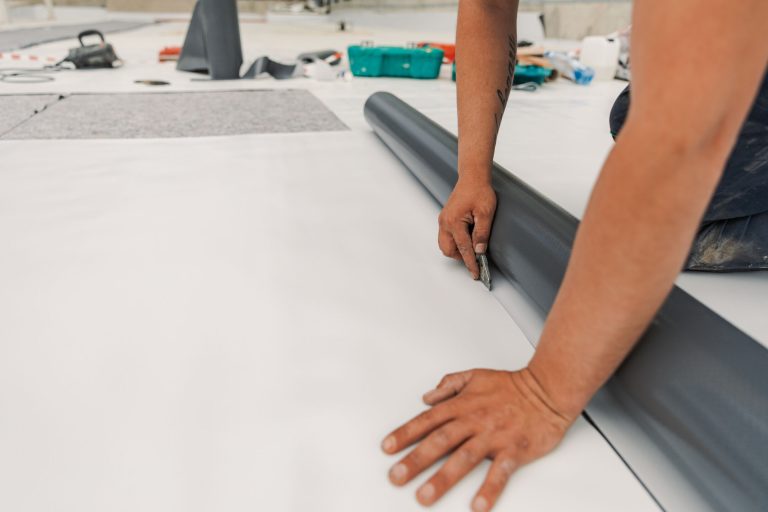
The lifecycle begins with decisions made long before the first sheet of material goes up. The design, the material selection, and the quality of installation set the ceiling for how long the roof can last. A roof that starts with a weak design or rushed installation rarely catches up, no matter how well it is maintained later. Quality materials matter, but installation quality is what lets them reach their full potential.
- Choosing a system suited to the building, climate, and use matters as much as choosing a good brand, since the best product in the wrong application will still underperform
- Careful installation, including flashing and seam details, has more influence on long-term performance than almost any other factor
2. Early Life and the Warranty Period
The first several years are typically the most trouble-free, and this is also when manufacturer and workmanship warranties are in effect. Because everything is new, it is tempting to ignore the roof entirely, but this is the stage when good habits are easiest to build.
- Problems that appear early are often related to installation, and they are usually covered if reported promptly
- This is the ideal time to establish an inspection routine and keep documentation of the roof’s condition, including photos, repair records, and warranty paperwork
3. Mid-Life Maintenance and Regular Inspections
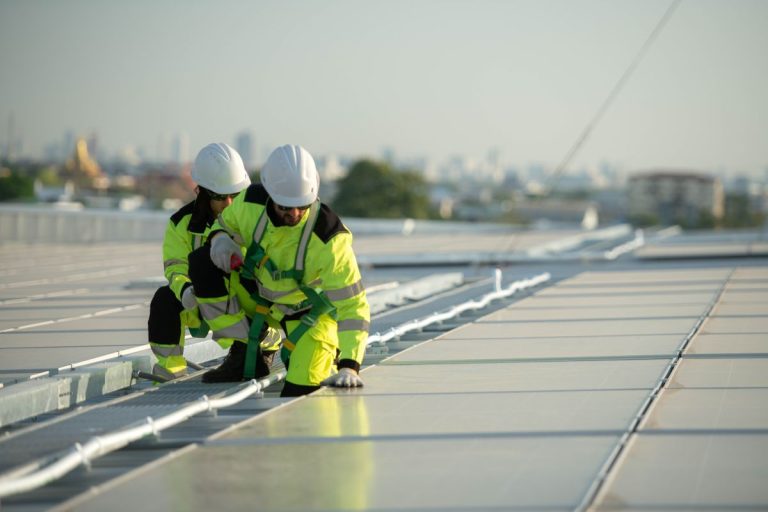
In the middle of its life, a roof begins to show normal signs of aging, and consistent maintenance becomes the most important factor in how long it lasts. Owners who invest steadily during these years often add a decade or more to the roof’s useful life. Regular inspections are the backbone of mid-life care, since they catch problems early.
- Regular inspections, drain cleaning, and prompt repair of small issues prevent minor wear from turning into larger damage
- Many owners also schedule restorative treatments, such as coatings, during this stage to extend service life
4. Late-Life Decline as the Roof Nears Its Expected Lifespan
As the roof approaches the end of its expected lifespan, materials weaken and problems appear more often. This stage can last several years, and the way you manage it has a large effect on both cost and risk. This is when a roof nears its expected lifespan and begins to need more attention.
- Seams, flashing, and the membrane surface may show widespread wear that repairs address only temporarily
- Repair frequency and cost usually rise, which is a signal to begin planning seriously for the next phase and to request budget quotes for replacement or restoration
5. Replacement or Restoration: Choosing the Right Material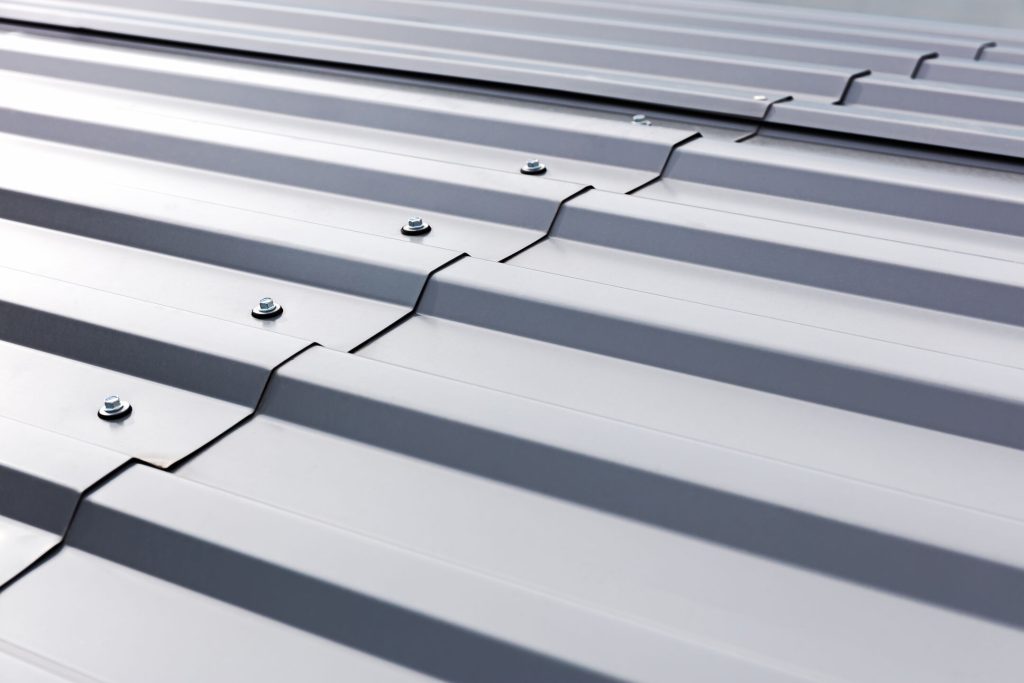
At the end of the lifecycle, owners generally choose between restoring the roof, if conditions allow, and replacing it entirely. Making this decision early, with good information, keeps the project from being rushed by a leak or a storm. Owners who plan ahead usually feel more in control of both cost and schedule. If replacement is needed, choosing the right material for your building and climate is the most important decision.
- Restoration can be an option when the underlying system is still sound, while replacement is usually needed when moisture or structural damage is widespread
- A professional evaluation, which may include moisture testing, gives you the information needed to choose with confidence and to compare options fairly
Warning Signs Your Commercial Roof’s Lifespan Is Nearly Over
No single sign tells the whole story, but several together suggest that a roof is nearing the end of its useful life. Watching for these indicators helps you plan before a failure forces the issue, and many of them can be spotted during a simple walkthrough after rain. Together, these signs show whether your commercial roof’s lifespan is nearly over.
- Recurring Leaks. Leaks that return after repeated repairs suggest the problem is no longer isolated, but is part of broader deterioration.
- Widespread Seam or Membrane Failure. Cracking, separation, blistering, or shrinkage across large areas signals that the material is aging out.
- Wet or Compromised Insulation. Moisture trapped beneath the surface reduces insulation performance and can lead to hidden damage.
- Persistent Ponding Water. Standing water that lingers after rain speeds up wear and may indicate structural or drainage problems.
- Rising Repair Costs. When annual repair spending climbs, it often costs less to replace the roof than to keep patching it.
- Increasing Energy Costs. A roof that no longer reflects heat or insulates properly can push up heating and cooling bills.
- Age Near the Expected Lifespan. Even a roof that looks fine from the ground deserves attention as it approaches the typical lifespan for its material.
Owners in Louisville and surrounding areas who notice several of these signs at once should schedule a professional evaluation soon, since planning a replacement on your own terms nearly always costs less than reacting to an emergency. Early planning also gives you time to compare bids and choose the best materials. It also reduces the pressure to accept the first proposal that arrives.
Average Lifespan by Roofing Material and Which Factors Affect Roof Lifespan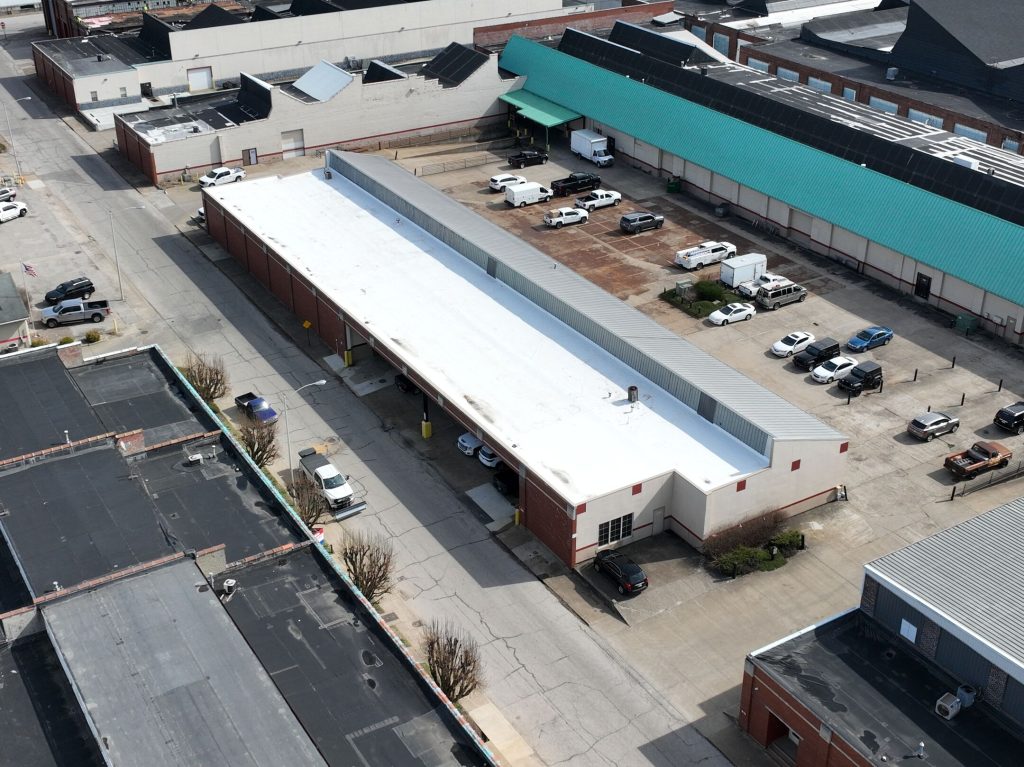
How long a roof lasts depends heavily on the material, the climate, and the care it receives. The table below shows typical ranges with proper installation and maintenance, though individual results will vary. Use it to estimate where your own roof may fall and to plan accordingly. The average lifespan for each material is shown, along with the factors that affect how long a roof actually lasts.
| Roofing Material | Typical Lifespan | What Can Shorten It | How to Extend It |
| TPO | 20 to 25 years | Poor seam quality, ponding water | Regular seam inspections and drainage care |
| EPDM | 20 to 30 years | Seam and flashing failures, punctures | Prompt repairs and flashing maintenance |
| PVC | 20 to 30 years | Chemical exposure, installation errors | Keep the surface clean and inspect seams |
| Modified bitumen | 15 to 20 years | UV exposure, blistering, drainage problems | Periodic coatings and surface checks |
| Built-up roofing | 15 to 30 years | Gravel loss, moisture intrusion | Maintain surfacing and clear drains |
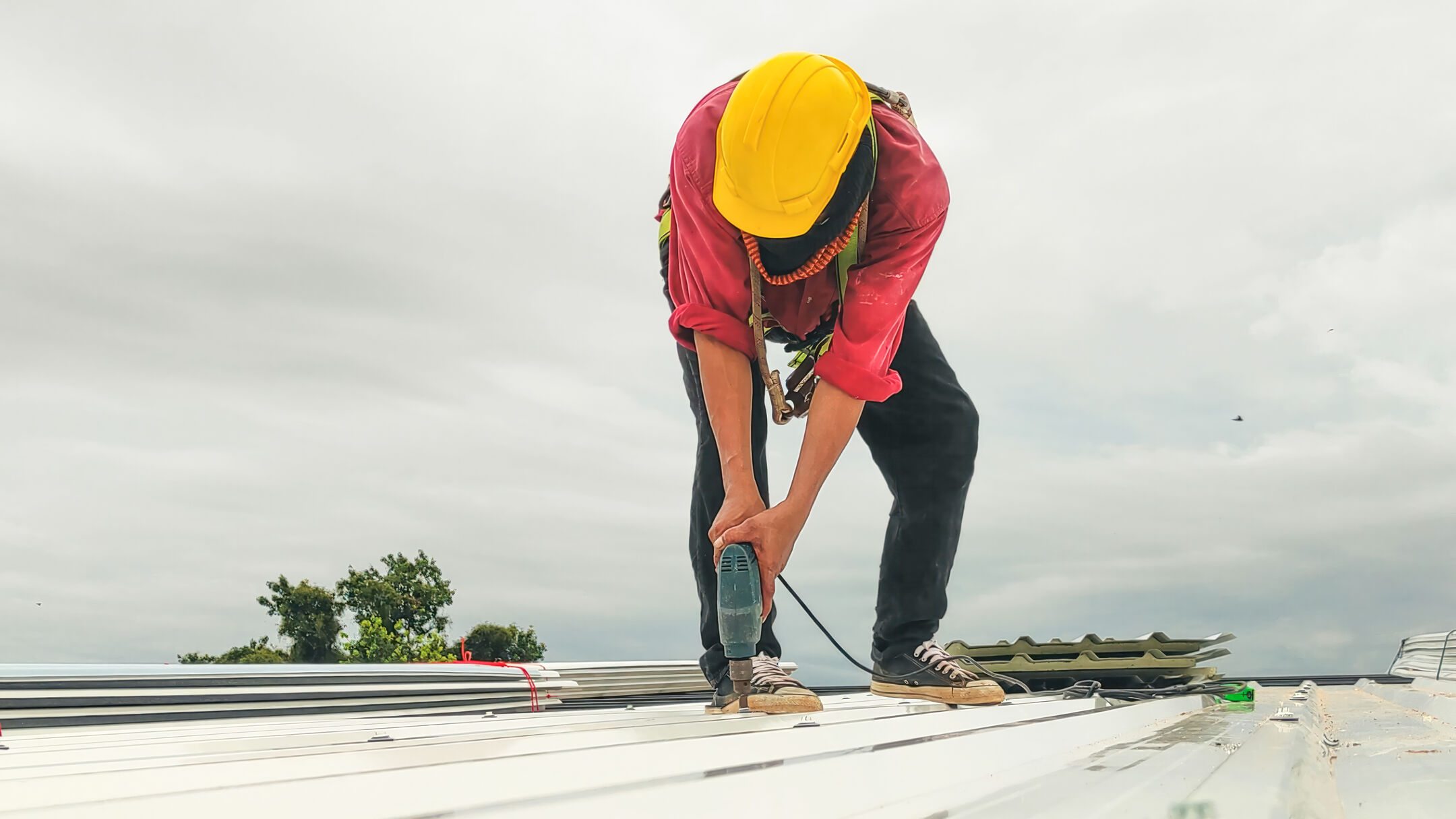
| Metal roofing | 40 to 60 years | Fastener failure, coating wear, corrosion | Check fasteners and sealants regularly |
These ranges are general guidance, not guarantees, and they assume the roof was installed correctly in the first place. A well-maintained roof in a mild climate may exceed them, while a neglected roof in a harsh environment may fall short. Building owners in Louisville and surrounding areas can use this table as a starting point for conversations with their roofing contractor, who can adjust expectations based on the specific roof, its history, and its current condition.
Make Every Stage of Your Commercial Roofing System Count
The commercial roof lifecycle is not something to leave to chance, and the owners who plan for it consistently come out ahead. Treat your commercial roofing system as a long-term asset and extend your roof lifespan with steady attention. By understanding each stage, watching for the signs of aging, and investing in maintenance at the right moments, you can extend your roof’s life, control costs, and avoid the disruption of an unexpected failure.
At Embry’s Roofing, we help building owners across Louisville and surrounding areas understand where their roofs stand today and plan for what comes next, from routine maintenance to full replacement. If you’d like a clear assessment of your roof’s condition and an honest outlook on its remaining life, contact us today to schedule an inspection.
CHECK OUT THE LATEST
FROM OUR BLOG