


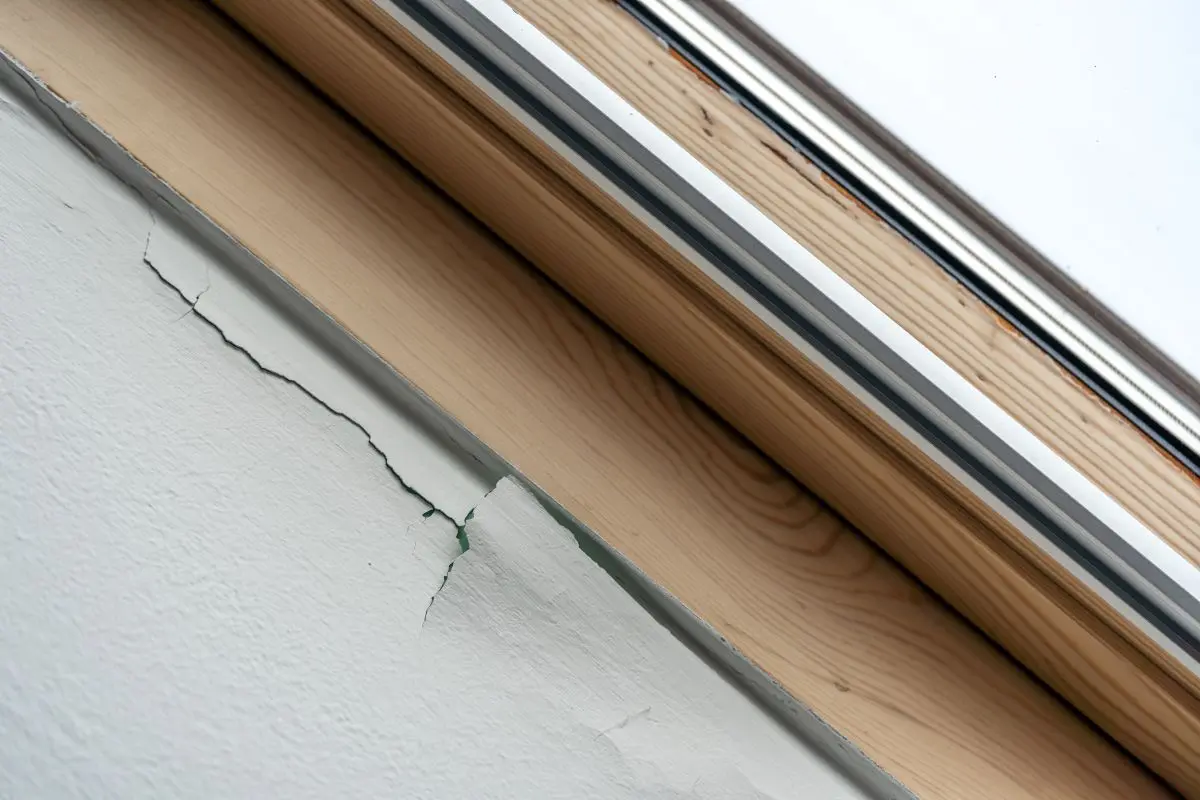
Have Condensation in Attic? (8 Tips to Beat It This Spring)
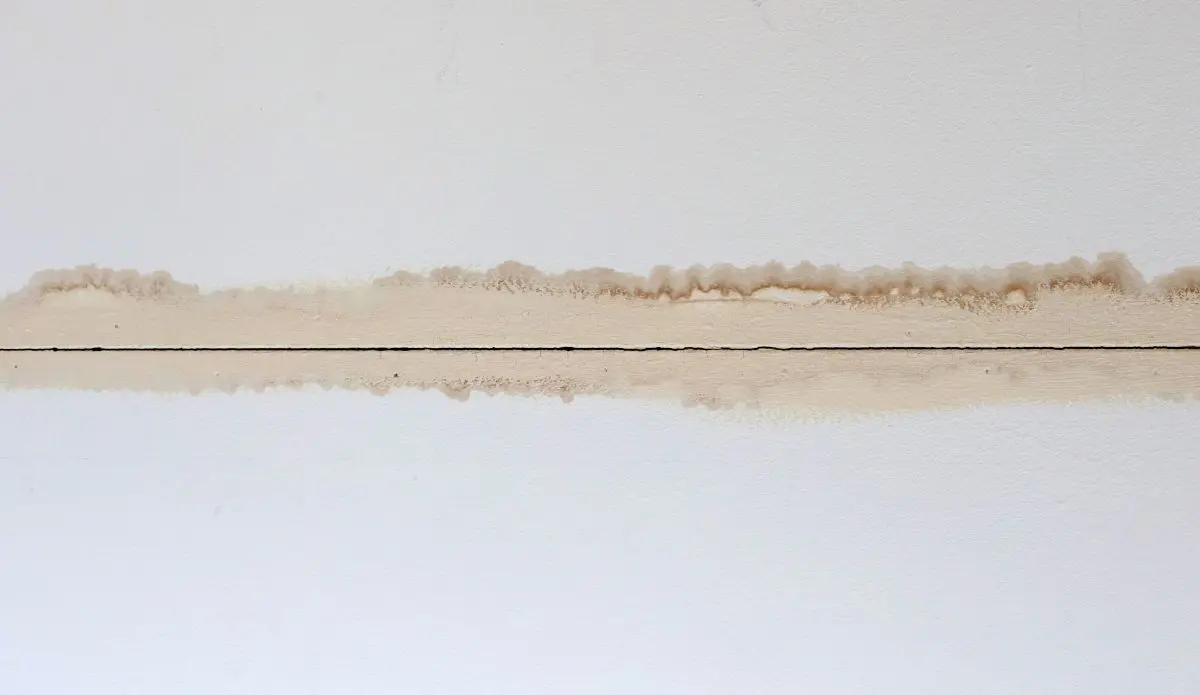
Every spring, homeowners across the Tri-State area discover an unwelcome surprise lurking above their heads: condensation in attic spaces that leaves insulation soggy, wood darkened with mold, and ceilings showing mysterious wet spots. If you have noticed dripping, frost melt, or that musty smell coming from above as temperatures warm up, you are far from alone. The good news is that attic condensation is a manageable problem when you understand what causes it and how to act fast.
This blog covers:
- What causes condensation to form in your attic
- How to tell it apart from an actual roof leak
- The role ventilation and insulation play
- 8 practical tips to prevent and eliminate attic moisture
- When to call a roofing professional
What Is Attic Condensation and Why Does It Happen?
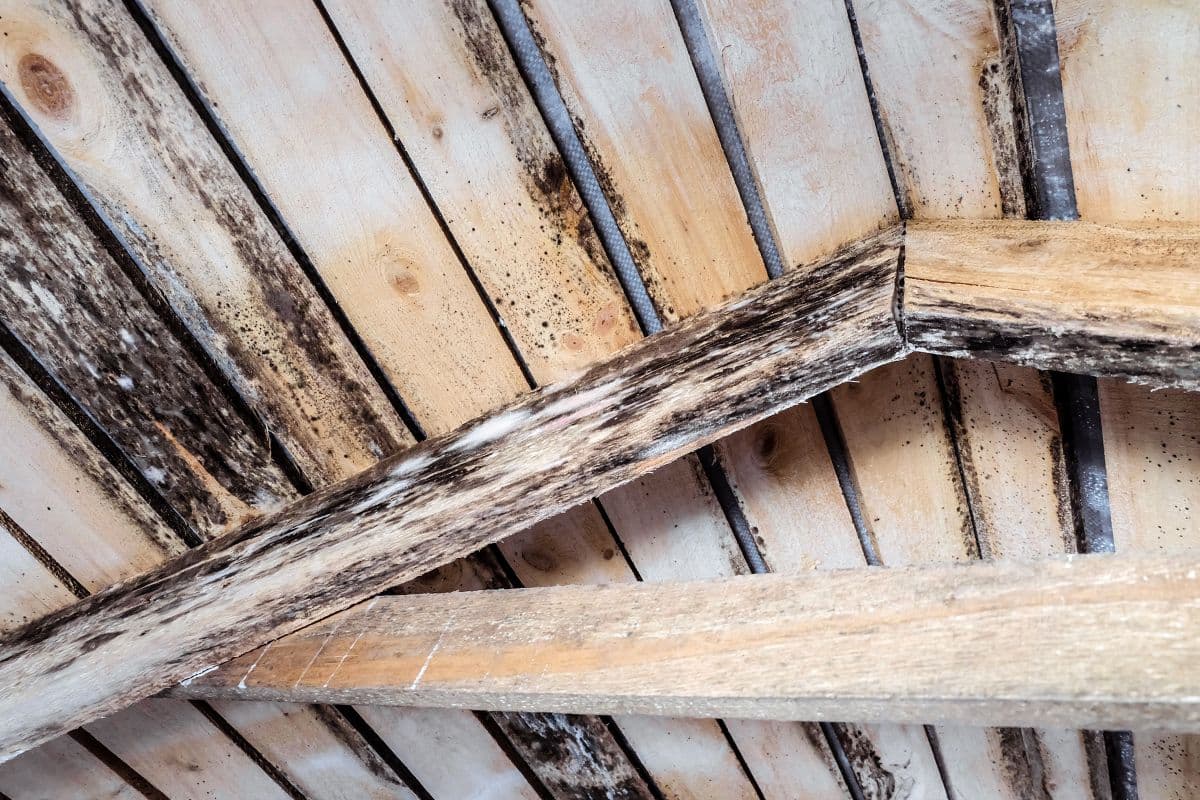
Attic condensation forms when warm, moisture-laden air from inside your home drifts upward and meets the cold underside of your roof deck. Think of a cold glass of water on a warm spring day. The same physics apply in your attic as the season changes. Interior air carrying heat and humidity contacts those still-cold roof surfaces, and the moisture has nowhere to go but settle as water droplets or, after a cold winter, thawing frost.
That frost buildup from the winter months might seem harmless at first glance. The real trouble starts when spring temperatures rise and the frost melts, soaking your insulation and wood framing with a rush of liquid all at once. Left unchecked, that moisture creates the ideal environment for mold, rot, and premature deterioration of your entire roof structure. We’re proud to serve home and business owners in Evansville, IN, and nearby communities with attic inspections, ventilation improvements, and more, and spring moisture discoveries are among the most common calls we receive as the Tri-State region thaws out each year.
Common Sources of Household Moisture
Your living spaces generate far more water vapor than most homeowners realize. Several everyday activities push large amounts of humidity into the air, which then migrates upward into the attic.
- Cooking and dishwashing: Steam from pots, boiling water, and open dishwashers adds significant humidity to your kitchen air.
- Bathing and showers: Hot showers release dense moisture that quickly travels through ceiling gaps if fans are absent or undersized.
- Laundry: Even machines with ventilation release some humidity indoors, and dryer vents improperly routed into the attic are a direct moisture source.
- Humidifiers: Whole-home humidifiers run hard during cold months and can overload an attic if insulation or air sealing is inadequate.
- Breathing and perspiration: A family of four generates several gallons of water vapor per day through normal activity alone.
Condensation vs. a Roof Leak: How to Tell the Difference
One of the most frustrating parts of discovering moisture in your attic is not knowing whether you are dealing with condensation or a true roof leak. The distinction matters because the fix is completely different.
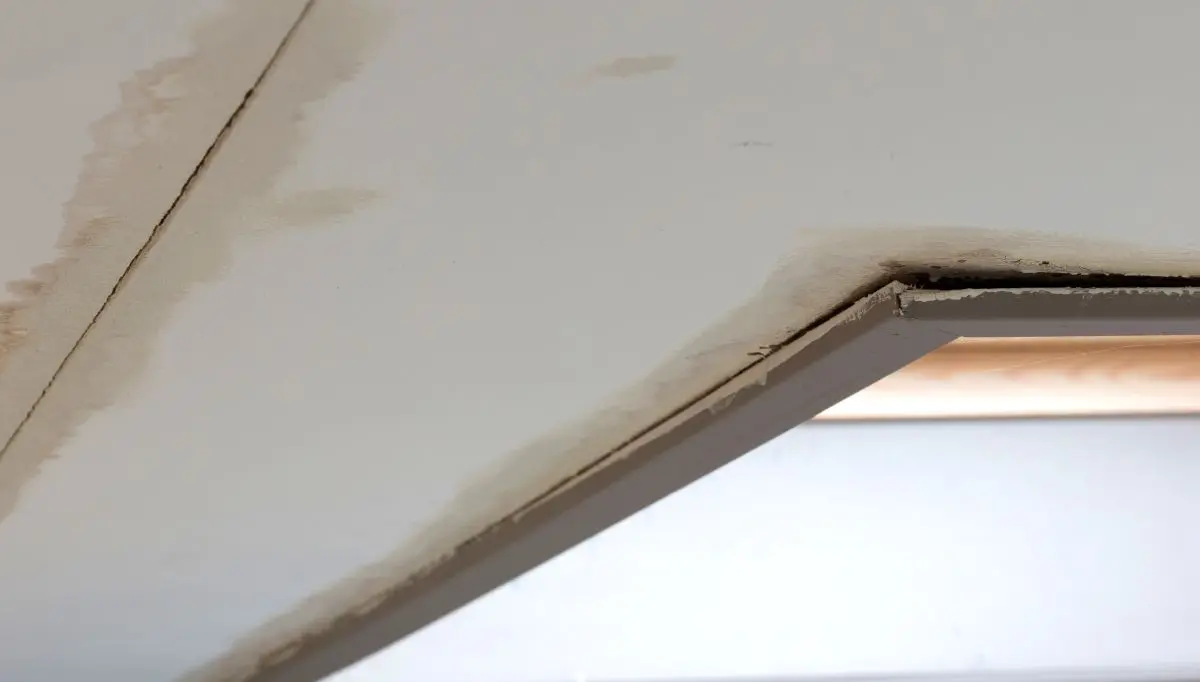
Roof leaks are almost always localized. You will find water damage concentrated near a specific area such as a chimney, pipe boot, or roof valley. Condensation, on the other hand, tends to be widespread. If you see moisture across large sections of sheathing, on multiple rafters, or covering the underside of the roof deck in a fairly uniform pattern, condensation is the more likely culprit.
Another clue is timing. If moisture seems to appear or worsen as outdoor temperatures swing between cold nights and warmer spring days, that freeze-thaw cycle strongly points to condensation rather than a penetration leak. When in doubt, a HAAG certified inspector can take the guesswork out of the diagnosis entirely.
8 Tips to Beat Attic Condensation This Spring
Solving attic condensation is rarely a single-fix situation. The most effective approach layers several strategies together, each one reducing moisture at the source or improving the conditions that allow it to escape safely.
1. Seal Air Leaks Between Living Space and Attic
The most important step is stopping warm, humid air from reaching the attic in the first place. Air sealing is frequently more impactful than adding ventilation because it cuts off the moisture supply directly.
- Attic hatch: Weatherstrip the access door or hatch thoroughly, as this is one of the largest air pathways in most homes.
- Ceiling penetrations: Seal around light fixtures, plumbing pipes, and electrical boxes with spray foam or caulk rated for the application.
- HVAC chases: Gaps around ductwork and furnace flues are common culprits that are easy to overlook.
2. Upgrade Attic Insulation to the Right R-Value
Insufficient insulation allows warm conditioned air to bleed into the attic continuously. For homes in the Tri-State region of Indiana, Kentucky, and Illinois, the U.S. Department of Energy recommends attic insulation levels of R-38 to R-60 depending on your specific climate zone and existing insulation depth.
Spring is an ideal time to add blown-in cellulose or fiberglass insulation on top of existing material before the heat of summer compounds the problem.
3. Improve Soffit and Ridge Ventilation
Proper attic ventilation gives moisture a way out before it can condense on surfaces. The system works as a circuit: cool outside air enters through soffit vents at the eaves and exits through ridge vents at the peak, carrying humidity out with it.
- Soffit vents: Check that they are unobstructed by insulation that has drifted toward the eaves. Baffles can keep airflow channels open.
- Ridge vents: Inspect for debris buildup, damaged sections, or areas where the vent has been improperly covered after a long winter.
- Balanced airflow: A system heavily weighted toward exhaust only, or intake only, is far less effective than balanced intake and exhaust.
4. Redirect Bathroom and Kitchen Exhaust Fans Outside
A surprisingly common source of severe attic moisture is exhaust fans that vent directly into the attic space rather than through the roof or a wall cap. Building codes require fans to exhaust to the exterior, but older homes and improper installations frequently route warm, humid air straight into the attic.
Inspect each bathroom and kitchen exhaust fan to confirm the duct leads to an actual exterior termination point. Flexible duct that has come loose over the winter is one of the easiest fixes on this entire list.
5. Control Indoor Humidity with Proper Ventilation
Keeping your home’s indoor humidity in check reduces the total moisture load traveling into the attic. A target of 30 to 50 percent relative humidity is reasonable for most homes in the Tri-State area as spring humidity levels begin to climb.
- Use exhaust fans consistently: Run bathroom fans during and for 15 to 20 minutes after every shower.
- Vent cooking steam: Always use the range hood when boiling water or cooking dishes that produce significant steam.
- Monitor with a hygrometer: Inexpensive humidity monitors let you track indoor levels and respond before the attic pays the price.
6. Install a Vapor Barrier or Vapor Retarder
In some attic configurations, particularly those with finished knee walls or unusual framing, a vapor retarder on the warm side of the insulation can slow moisture migration significantly. This is not a universal solution and depends heavily on your climate zone and attic design.
- Cold-to-warm climate transition: A vapor retarder is typically installed on the interior side of insulation to keep humid air from reaching cold surfaces during temperature swings.
- Mixed climates: The correct placement changes, and using one incorrectly can trap moisture rather than prevent it. A professional evaluation is strongly recommended.
7. Inspect and Maintain Roof Flashings
Spring is the best time to walk your roof system and look for damage that accumulated over the winter months. Compromised flashings around chimneys, pipe penetrations, and skylights can allow water intrusion that compounds moisture problems already underway from condensation.
Check for cracked sealant, lifted metal, and gaps at every flashing location. Ice dams that formed during the winter can lift and shift flashing in ways that are not obvious until warmer weather arrives and the first spring rains put the system to the test.
8. Schedule a Professional Attic Inspection
Sometimes the best tip is knowing when to call an expert. Attic moisture problems can involve a combination of insulation gaps, ventilation deficiencies, air sealing failures, and structural issues that interact in ways that are not obvious from a quick visual check.
A trained roofing professional can assess your ventilation ratios, measure insulation depth and coverage, identify air leakage points, and determine whether any moisture damage has already progressed to the point of requiring repair. Embry’s offers free inspections, so there is no reason to leave a moisture problem undiagnosed heading into summer.
Attic Condensation Prevention at a Glance
| Problem | Common Cause | Recommended Fix |
| Frost melt on roof deck | Cold surfaces meeting warming air | Air sealing plus ventilation |
| Wet or stained insulation | Moisture saturation | Redirect exhaust fans, add insulation |
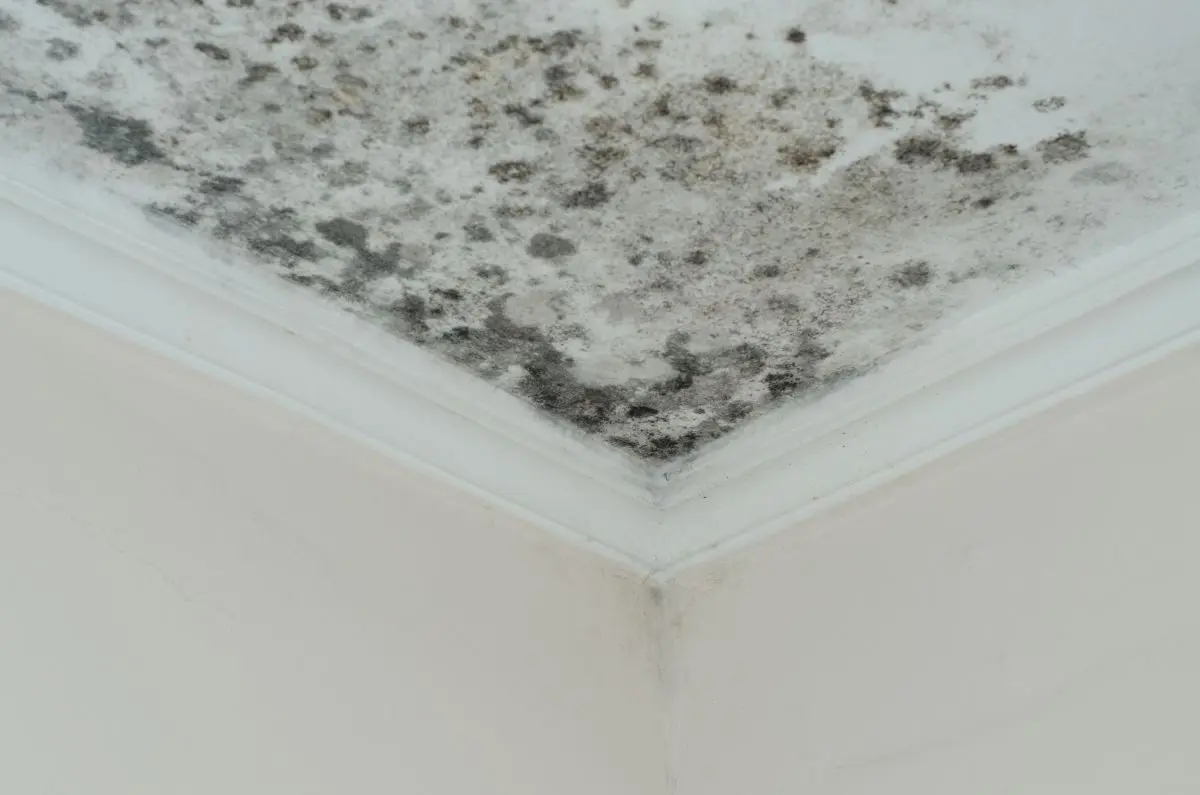
| Mold on rafters | Ongoing moisture with poor airflow | Improve ventilation, address air leaks |
| Musty odor in attic | Mold or mildew presence | Full inspection, remediation if needed |
| Water stains at eaves | Winter ice dam damage | Insulation upgrade, flashing inspection |
Common FAQs About Attic Condensation
Homeowners dealing with attic moisture tend to have a lot of the same questions, especially when spring reveals damage that built up all winter. Here are the ones we hear most often, along with straightforward answers to help you make smart decisions for your home.
Is attic condensation dangerous?
Yes, it can be, especially if it goes unaddressed for an extended period. Persistent moisture creates conditions where mold can take hold quickly. According to the U.S. Environmental Protection Agency, mold can begin growing on wet surfaces within 24 to 48 hours, which means even a few days of unchecked condensation can produce a mold problem. Beyond health concerns, moisture weakens wood framing, degrades insulation, and can eventually compromise the GAF roofing system protecting your home.
Can I fix attic condensation myself?
Some steps, like redirecting a disconnected exhaust fan duct or adding weatherstripping to an attic hatch, are manageable DIY projects. However, diagnosing the root cause accurately and addressing insulation gaps, ventilation ratios, or mold that has already spread typically calls for a professional. An incorrect fix, such as adding exhaust ventilation without balanced intake, can actually make moisture problems worse.
How do I know if my attic has enough ventilation?
A general industry guideline calls for one square foot of net free ventilation area for every 150 square feet of attic floor space, or one per 300 square feet when a vapor retarder is present. However, the balance between intake and exhaust matters just as much as total area. If your soffits are blocked, if ridge vents are damaged, or if your roof design limits certain vent types, a professional assessment will give you a clearer picture than a formula alone.
Is spring a good time to address attic condensation?
Spring is actually one of the best times to deal with it. The temperature swings between cold nights and warming days often make condensation visible for the first time, giving you a clear window to act before summer heat and humidity arrive and compound the problem. Getting ahead of it now protects your attic all year long.
Does my roofing warranty cover moisture damage from condensation?
In most cases, manufacturer warranties cover defects in materials rather than damage caused by inadequate ventilation or insulation. Embry’s backs every residential and commercial job with a 5-year workmanship warranty, and GAF Total System roofs come with 25-year coverage on labor and materials. If you are unsure what your current coverage includes, our team is happy to review it during your free inspection.
Beat Spring Moisture With Embry’s Roofing
Attic condensation is one of those problems that tends to get worse the longer it goes unaddressed, but it is also one that responds very well to the right combination of fixes. Whether your attic needs better air sealing, a ventilation upgrade, redirected exhaust fans, or a thorough inspection to understand the full scope of the issue, the team at Embry’s Roofing is here to help.
Family-run since 1979 and backed by over 45 years of roofing experience, Embry’s has been protecting homes and businesses across Evansville, Vincennes, Paducah, Louisville, and the greater Tri-State area through every season this region can produce. Our HAAG certified inspectors and GAF Elite Master Contractor status mean you are getting a team with the training and credentials to get it right. Contact Embry’s Roofing today to schedule your free inspection and head into summer with a dry, protected attic.
CHECK OUT THE LATEST
FROM OUR BLOG