
What Is the Best Roof for a Metal Building? (2026 Comparison Guide)
Choosing the right metal building roof is one of the most consequential decisions a building owner or facilities manager will make for their commercial property. Metal buildings are everywhere across the Tri-State area, from warehouses and agricultural facilities to manufacturing plants and commercial storage units, and when the original roof starts to fail or a new build needs to be specified, the options vary significantly in design, cost, performance, and compatibility with the underlying structure. The answer is not one-size-fits-all, and choosing the right system requires understanding what each option actually delivers.
This guide covers:
- What makes metal building roofs different from other commercial applications
- The 5 best roofing options for metal buildings in 2026
- How to compare each system on cost, lifespan, and performance
- Key factors to evaluate before making a decision
- Direct answers to the questions building owners ask most
What Makes Metal Building Roofing Different?
Metal buildings, also called pre-engineered metal buildings or steel buildings, have structural characteristics that set them apart from conventional commercial construction. The roof framing consists of steel purlins spanning between rigid frame columns, with no continuous roof deck underneath unless one was added during construction. This means the roofing system must span between purlins structurally, or a deck must be added to support a membrane system.
Roof pitch on most metal buildings falls between 1:12 and 4:12, which rules out some products and makes others significantly more appropriate. Metal buildings come in several common roof styles, including single-slope (shed), symmetrical gable, and multi-span configurations, and the roof style affects which systems install cleanly, how drainage is managed, and where flashings and transitions need to be detailed. Metal buildings also expand and contract substantially with temperature changes, and in the Tri-State region they must handle heavy snow loads and freeze-thaw cycles that stress fasteners and seams over time. The roof system must accommodate that movement without cracking or pulling fasteners loose. We’re proud to serve home and business owners in Louisville, KY, and nearby communities with metal building roof inspections, system replacements, and more, and metal building reroofing is one of our most common commercial projects across the Tri-State region.
What Is the Best Roof for a Metal Building?
The best roof for a metal building depends on the building’s slope, span requirements, budget, and whether you are working with new construction or reroofing an existing structure. Unlike common roofing materials such as asphalt shingles, which are not compatible with most metal building styles or low-slope roof style designs, metal-specific systems are engineered for the unique demands of pre-engineered steel construction. For most metal buildings, a standing seam metal roof is the top-performing long-term choice. For budget-conscious projects or buildings that need a recoverable solution, through-fastened panels or single-ply membrane systems over a recovery board are strong alternatives.
According to the Metal Roofing Alliance, metal roofing systems carry a 140-mph wind rating, making them among the most weather-resistant roofing options available for any building type, handling heavy rain, high winds, and hail that regularly affect Tri-State facilities.
5 Best Roofing Options for Metal Buildings (2026)
Each of the systems below is well suited to pre-engineered metal building construction, though they differ significantly in cost, lifespan, installation method, and the scenarios where they perform best. Understanding those differences is the fastest way to narrow down the right fit for your specific building and budget.
1. Standing Seam Metal Roof (Best Overall)
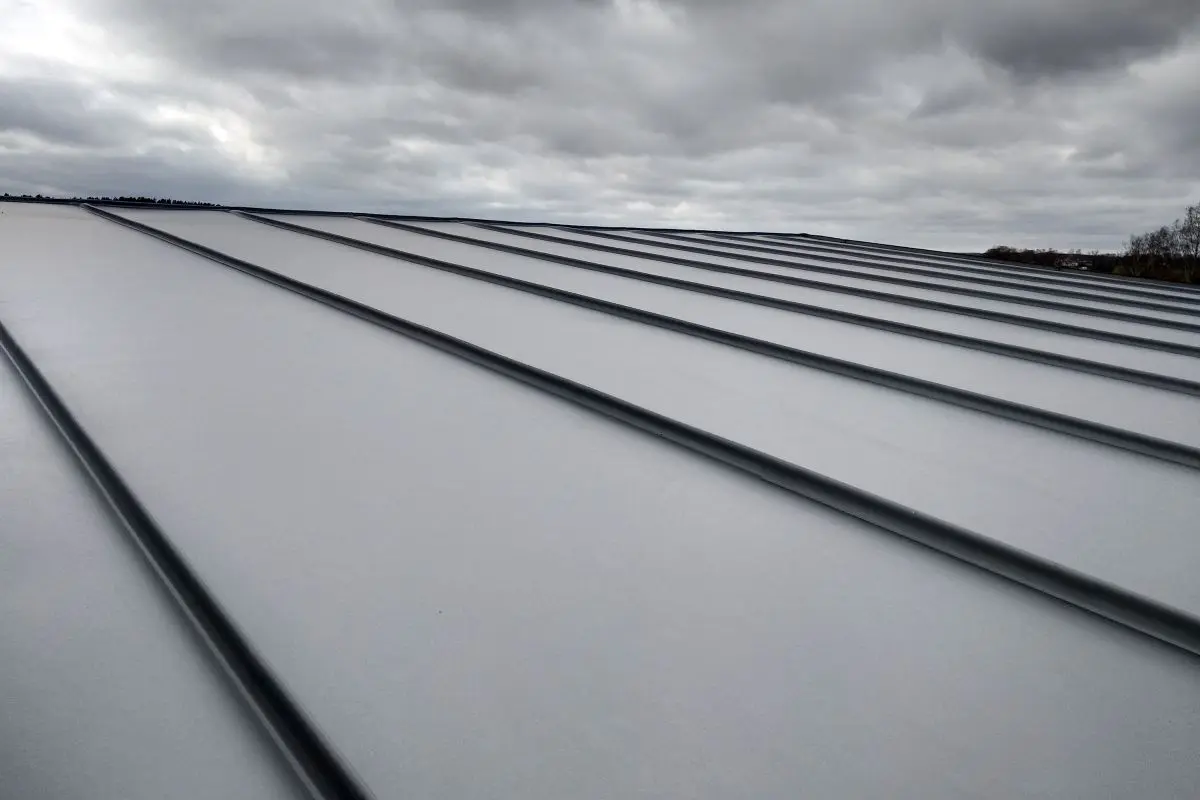
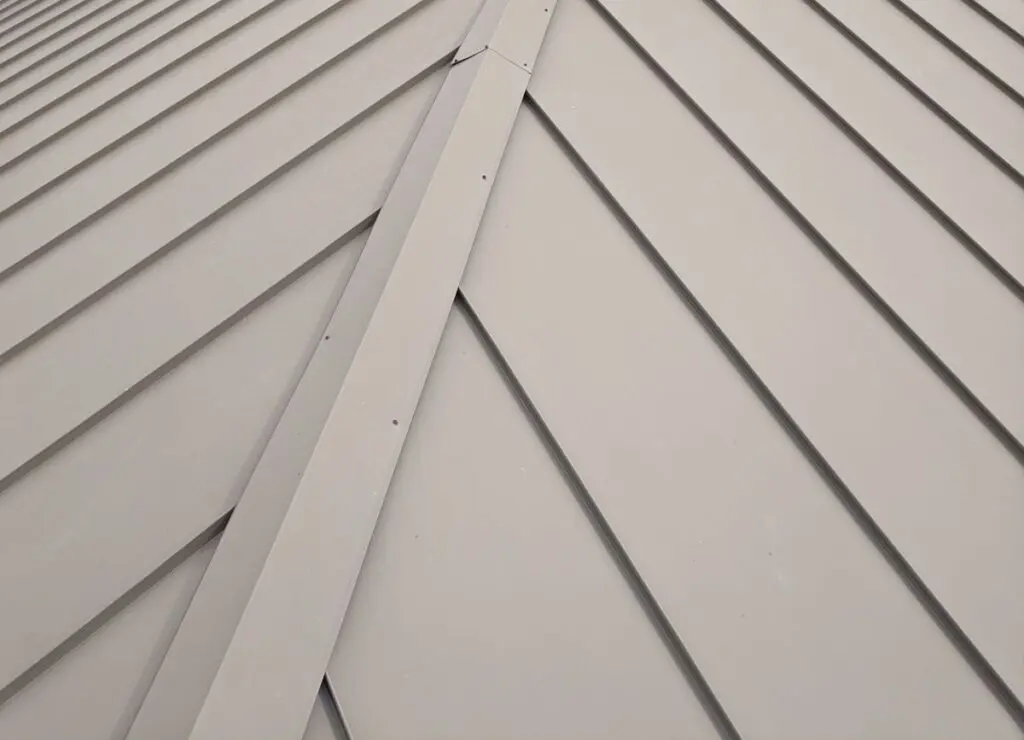
A standing seam metal roof is widely regarded as the best long-term roofing solution for most metal buildings. The system uses concealed clips that allow the panels to float and move with thermal expansion independently of the fasteners, which eliminates the elongated screw holes and rubber washer failures that plague older through-fastened systems. Seams rise above the panel face and are mechanically crimped or snap-locked, creating a weathertight connection with no exposed penetrations across the entire roof surface.
- Lifespan: 40 to 70 years with proper installation and periodic inspection.
- Cost: Moderate to higher upfront, significantly offset by the longest replacement cycle of any option on this list.
- Best for: New metal building construction and reroofing projects where long-term performance and low maintenance are the top priorities.
- Compatibility: Works directly over metal building purlins without requiring a deck; available in galvanized steel, Galvalume, and aluminum substrates from Embry’s preferred manufacturers including Metal Sales, Metal Era, Duralast, and Exceptional Metals.
- Why it wins: The concealed clip system accommodates metal building thermal movement better than any other roof type, delivering decade after decade of weathertight performance in the Tri-State’s variable climate.
2. Through-Fastened Metal Panels (Best for Budget Projects)
Through-fastened panels, also called screw-down panels or R-panels, are the most widely installed roofing system on metal buildings due to their lower upfront cost and fast installation. Panels attach directly to purlins with exposed screws sealed by rubber washers. They are a legitimate choice for lower-slope metal buildings, agricultural structures, and projects where budget is the primary constraint.
- Lifespan: 20 to 30 years with maintenance; shorter in regions with significant temperature cycling.
- Cost: Lower than standing seam, making them the most accessible entry point for metal building roofing.
- Best for: Agricultural buildings, storage facilities, and budget-driven projects where long-term leak performance is secondary to initial cost.
- Watch for: Rubber washers compress and crack over time, and thermal movement elongates screw holes, creating leak paths. Expect more maintenance and earlier replacement than with standing seam systems.
3. TPO or EPDM Over Recovery Board (Best for Retrofit Without Tear-Off)
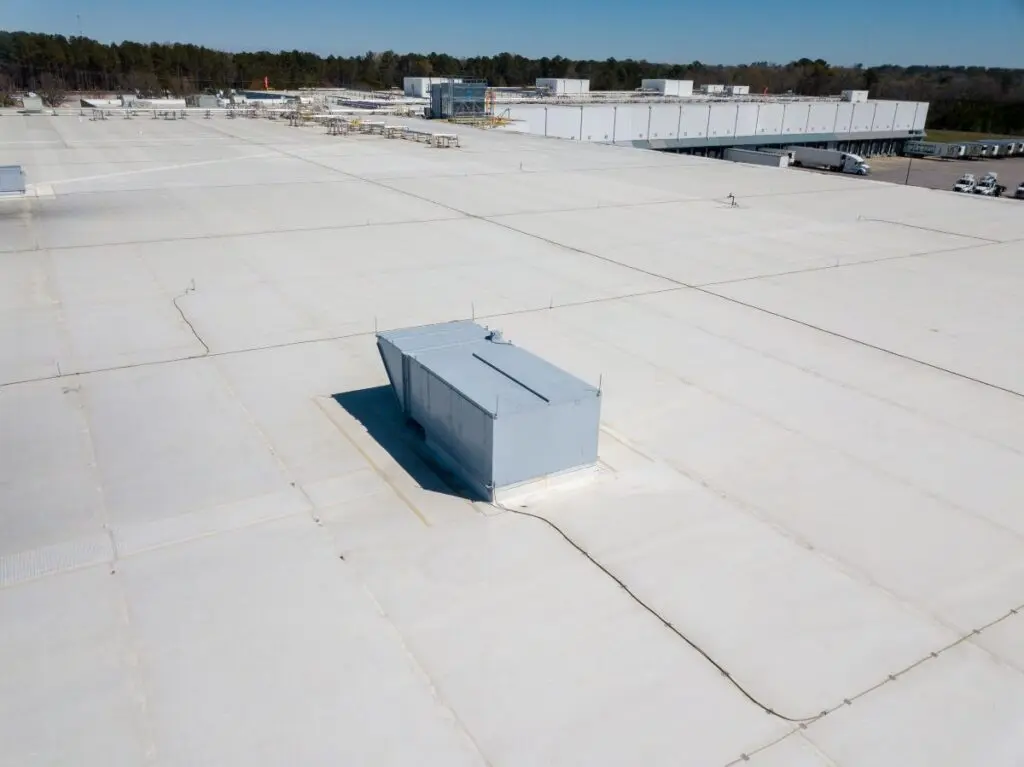
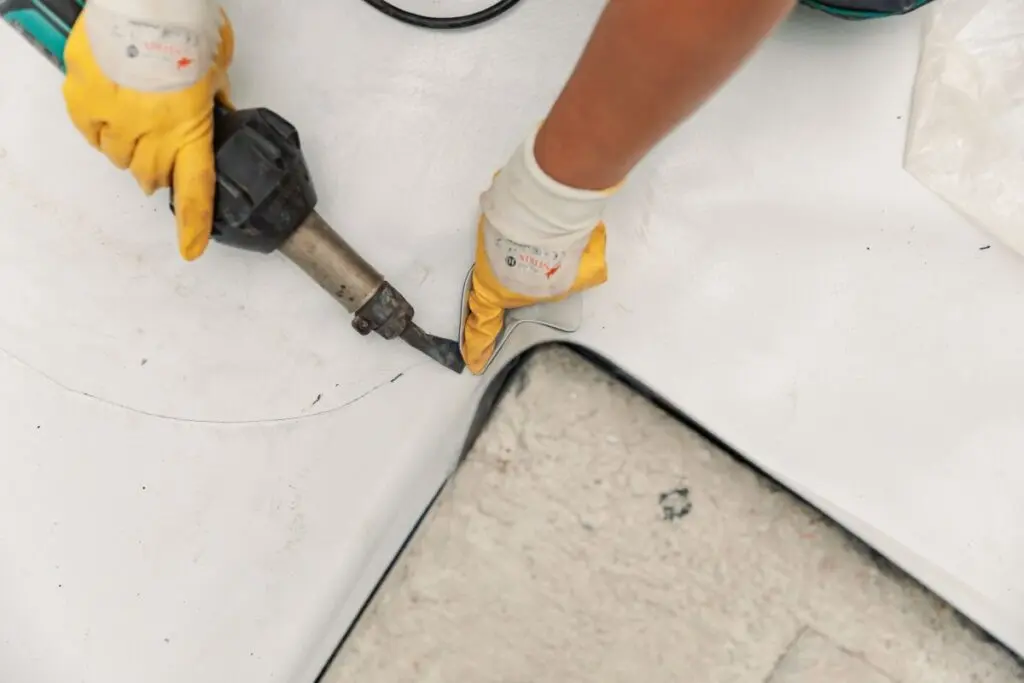
When a metal building’s existing roof has failed or reached end of life but the structure is sound, installing a single-ply membrane system over a recovery board is a practical alternative to full tear-off. A rigid insulation board or recovery board is fastened over the existing roof surface, creating a stable substrate for the membrane, which is then fully adhered or mechanically fastened on top.
- Lifespan: 15 to 30 years depending on membrane type and installation quality.
- Cost: Moderate, with tear-off savings offsetting the added recovery board cost.
- Best for: Metal buildings with low-slope roofs that need a new waterproofing layer without the disruption and expense of removing the original roof.
- Watch for: The existing roof structure must be evaluated for moisture damage and structural integrity before a recover is specified. Ponding water on low areas must be addressed through tapered insulation or drainage improvements.
4. Spray Polyurethane Foam (Best for Seamless Waterproofing)
Spray polyurethane foam, or SPF, is applied as a liquid that expands and cures into a continuous monolithic layer that conforms to every surface, penetration, and irregular transition on the existing roof. A protective elastomeric coating is applied over the foam to shield it from UV degradation. SPF is particularly effective on metal buildings with complex geometry, numerous penetrations, or persistent leak points that are difficult to address with conventional panels or membranes.
- Lifespan: 20+ years when the protective coating is maintained and reapplied periodically.
- Cost: Moderate, with costs influenced by foam thickness, coating selection, and the complexity of the roof surface.
- Best for: Metal buildings with multiple HVAC penetrations, curbs, or irregular rooflines where a seamless system eliminates the leak paths that conventional systems struggle to address.
- Watch for: SPF requires professional application and periodic recoating to maintain performance. It is not appropriate for roofs with significant structural issues or standing water.
5. Roof Coating Systems (Best for Extending an Aging Roof)
For metal buildings whose existing roof is not yet ready for full replacement but is showing signs of wear, a roof coating system can extend service life by 10 to 15 years at a fraction of the cost of a new system. Silicone, acrylic, and polyurethane coatings are applied over the existing surface, sealing minor cracks and fastener penetrations while adding reflective performance that improves energy efficiency and reduces cooling loads.
- Lifespan extension: Typically 10 to 15 years beyond the existing roof’s remaining life when properly applied.
- Cost: Significantly lower than full replacement, making this the most cost-effective short-term solution available.
- Best for: Metal buildings with through-fastened roofs that are aging but structurally sound, where the goal is to delay full replacement while improving performance in the near term.
- Watch for: Coatings are not a substitute for replacement on a roof that is structurally compromised or has saturated insulation. A professional inspection must confirm the existing substrate is suitable before coatings are applied.
Metal Building Roof Options Compared
| System | Lifespan | Cost | Best Scenario | Key Advantage |
| Standing seam metal | 40 to 70 years | Moderate to higher | New build or full reroof | Longest life, concealed fasteners |
| Through-fastened panels | 20 to 30 years | Lower | Budget projects, agricultural | Fast installation, low upfront cost |
| TPO/EPDM over recovery board | 15 to 30 years | Moderate | Retrofit without tear-off | Avoids tear-off cost and disruption |
| Spray polyurethane foam | 20+ years | Moderate | Complex geometry, many penetrations | Seamless, conforms to any surface |
| Roof coating systems | 10 to 15 year extension | Low | Aging roof, delay replacement | Cost-effective life extension |
What to Consider Before Choosing a Metal Building Roof
Several factors should be evaluated before any roofing decision is finalized. Roof slope and purlin spacing determine which systems can be installed without a deck. The building’s interior environment, including humidity and chemical exposure, affects membrane and coating choices. Energy performance goals should factor into the surface finish selected. And the existing roof condition determines whether a recover or full replacement is the right path.
Common FAQs About Metal Building Roofs
Building owners and facilities managers evaluating metal building roof options tend to have the same set of practical questions before committing to a system. Here are direct answers to the ones we hear most often from clients across the Tri-State area.
What is the best roof for a metal building?
For most metal buildings, a stand seaming roof system is the best long-term option. It handles thermal movement without exposed fasteners, lasts 40 to 70 years, and delivers the lowest maintenance cost over its life. For budget-constrained projects, through-fastened panels are the most accessible alternative. For buildings needing a recover without tear-off, TPO or EPDM over a recovery board is the most practical choice.
How long does a metal building roof last?
It depends on the system. Standing seam metal roofs last 40 to 70 years. Through-fastened panels deliver 20 to 30 years. Single-ply membranes over recovery board last 15 to 30 years. Spray polyurethane foam lasts 20+ years with coating maintenance. Roof coatings extend an aging roof by 10 to 15 years.
Can you put a metal roof on an existing metal building?
Yes. Standing seam and through-fastened systems install directly over existing purlin framing, and in many cases a new standing seam system can go over existing through-fastened panels using subframing. A professional assessment determines the most cost-effective approach.
How much does it cost to reroof a metal building?
Costs vary based on building size, system type, and project complexity. Standing seam typically runs higher per square foot than through-fastened or coating alternatives, but delivers the lowest total cost over its service life. The most accurate way to understand costs is a free inspection and estimate from a contractor experienced with metal building applications.
How do I know when my metal building roof needs replacement?
Signs include recurring leaks after repairs, visible rust or panel corrosion, widespread fastener failures, coating breakdown, or a roof past its expected service life. Embry’s HAAG certified inspectors can assess your building and provide a clear repair-versus-replacement recommendation.
Replace or Reroof With Embry’s Roofing
Choosing the right roofing system for a metal building is a decision that affects your building’s protection, your operating costs, and your maintenance burden for the next several decades. Getting that decision right requires contractor expertise specific to metal building applications, not just general commercial roofing experience.
Family-run since 1979 and backed by over 45 years of roofing experience, Embry’s serves metal building owners across Louisville, Evansville, Bowling Green, Paducah, and the greater Tri-State area. Our HAAG certified inspectors, GAF Elite Master Contractor credentials, and preferred relationships with Metal Sales, Metal Era, Duralast, and Exceptional Metals mean every metal building project is specified and installed to perform. Contact Embry’s today for a free metal building roof inspection and estimate.
CHECK OUT THE LATEST
FROM OUR BLOG