
What Are Trapezoid Metal Panels? (7 Benefits, Uses & Installation Tips)
If you manage or own a commercial building, you have probably come across the term trapezoidal panels without being entirely sure what sets them apart from other metal roofing systems. Trapezoidal metal panels are one of the most widely used roofing solutions in commercial and industrial construction, valued for their structural strength, weather performance, and long service life. This guide breaks down everything you need to know before deciding if they are the right fit for your building.
This blog covers:
- What trapezoid metal panels are and how they work
- How they compare to other metal roofing profiles
- 7 key benefits for commercial and industrial buildings
- Installation tips and what to expect from a professional crew
- How to get started with a free estimate
What Are Trapezoid Metal Panels?
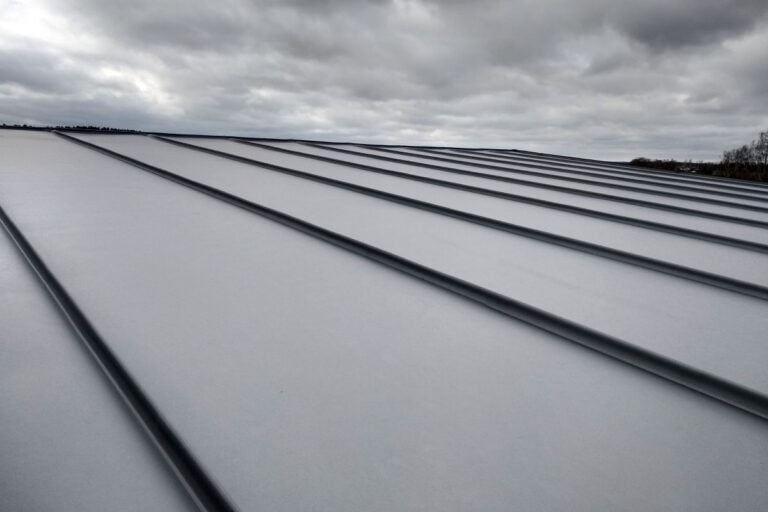
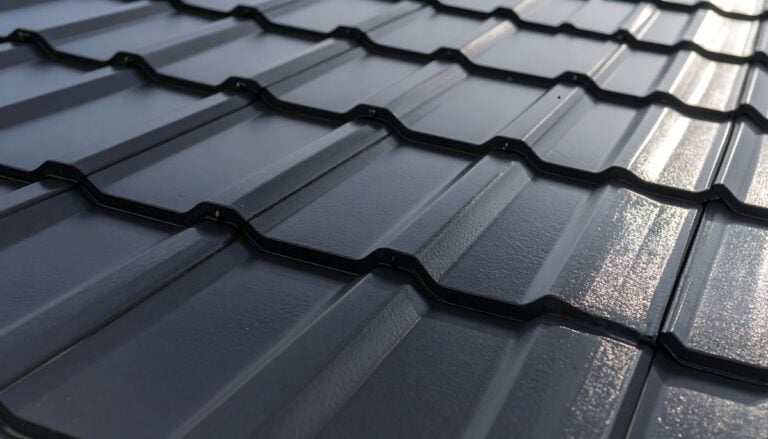
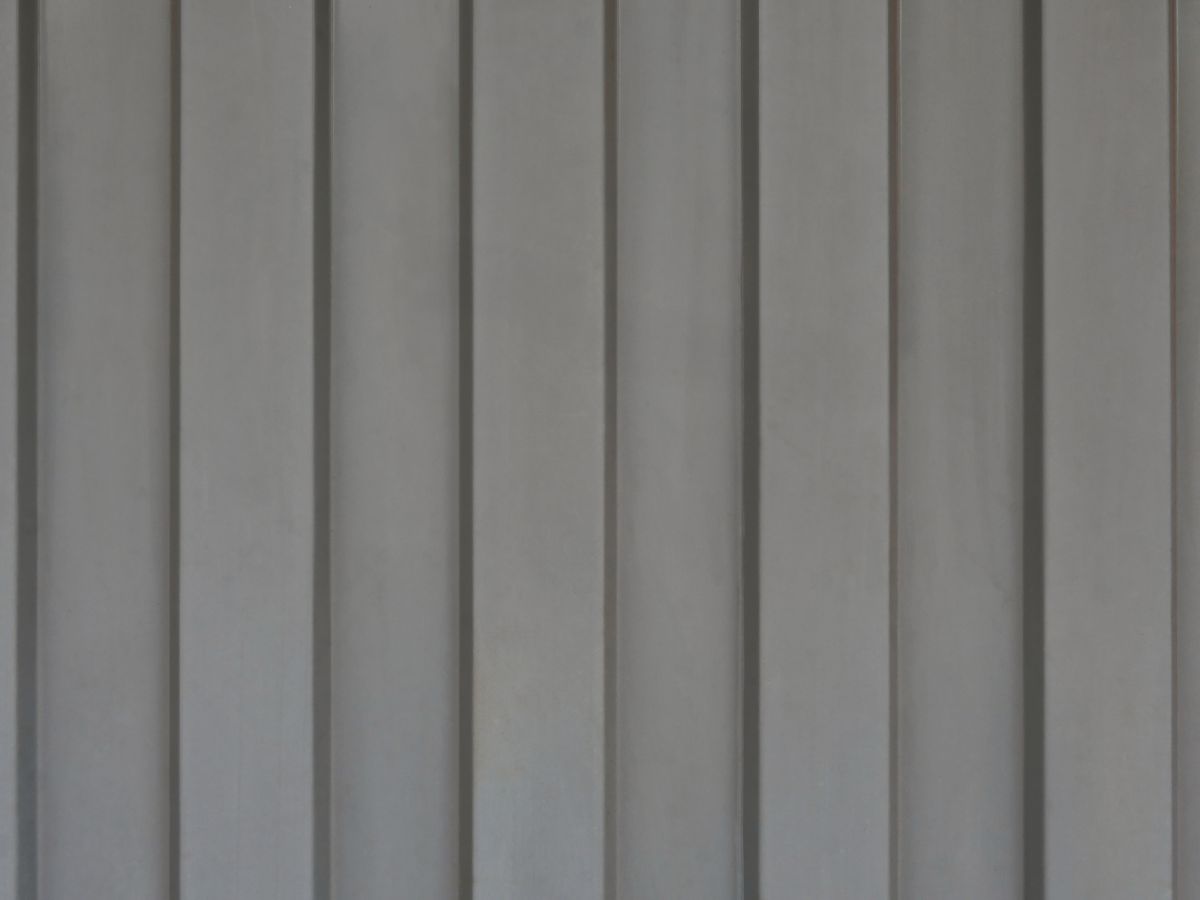
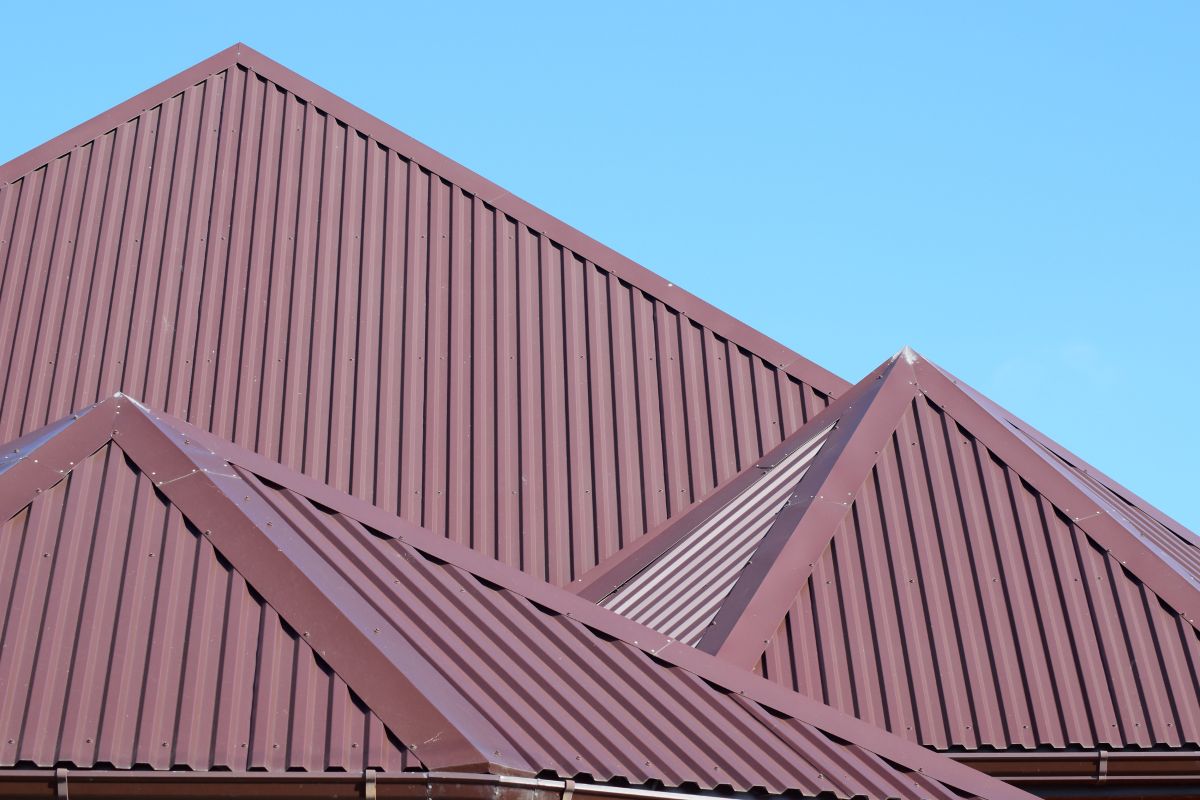
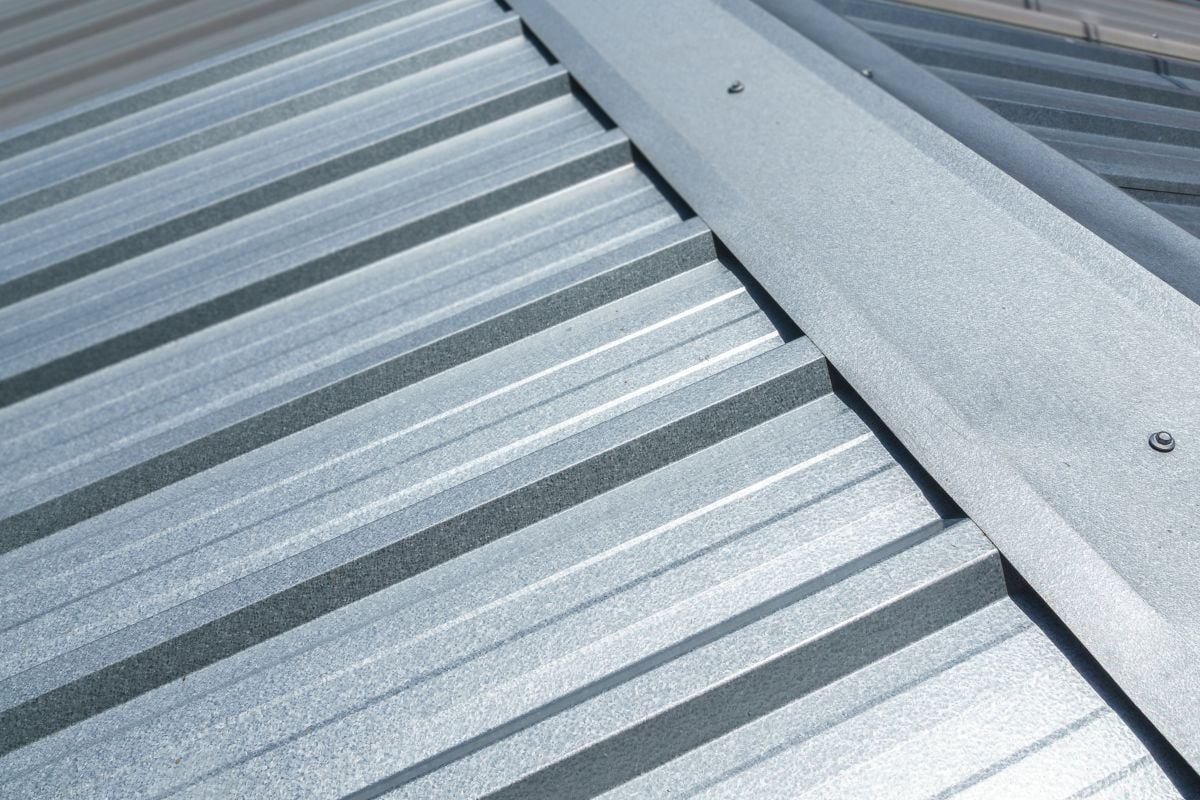
Trapezoid metal panels, also called trapezoidal standing seam panels or trapezoidal rib panels, are metal roof panels formed with raised ribs that have a trapezoid cross-section shape. The trapezoidal shape inherently stiffens the panel, allowing it to span longer distances between structural supports without excessive material thickness, making it one of the strongest panel geometries available for commercial metal roofing projects. Panels are manufactured from galvanized steel, Galvalume-coated steel, or aluminum in gauges ranging from 22 to 26, and they work equally well installed over a metal deck or directly on open framing.
We’re proud to serve home and business owners in Vincennes, IN, and nearby communities with commercial roofing inspections, metal panel installations, and more. Across the Tri-State area, trapezoidal panels are among the most requested products for warehouses, manufacturing facilities, and large commercial builds.
7 Benefits of Trapezoidal Metal Panels for Commercial Buildings
The reason trapezoidal panels dominate commercial and industrial roofing comes down to a combination of structural, economic, and performance advantages that few other metal roofing profiles can match. Among all standing seam profiles, the trapezoidal rib design is the go-to choice for large commercial metal roofing projects where structural span and low-slope performance are the top priorities.
1. Exceptional Structural Span Capability
The trapezoidal rib geometry stiffens each panel along its length, allowing individual panels to bridge greater distances between purlins without deflection, which reduces the number of support members needed and lowers overall structural costs.
- Longer spans: Trapezoidal panels cover more distance between structural members than most exposed fastener alternatives, reducing substructure material and labor costs.
- Load-bearing performance: The rib profile resists both downward dead loads and upward wind uplift forces at the same time.
- Wide-open interiors: Fewer interior support columns are needed in warehouses and industrial facilities, preserving usable floor space beneath the roof.
2. Superior Wind Uplift Resistance
Commercial roofs face significant wind uplift forces at eaves, ridges, and corners, and trapezoidal standing seam systems deliver weather protection that through-fastened systems cannot match. Quality products routinely achieve wind uplift resistance ratings that meet or exceed the most demanding commercial building code requirements.
- UL 580 Class 90 ratings: Many trapezoidal panel systems carry this tested uplift rating, confirming performance under extreme wind pressure conditions.
- Concealed fastening advantage: Mechanically crimped or snap-locked seams use concealed clips to secure panels to the structure without exposed penetrations, distributing uplift forces along the full panel length rather than concentrating them at individual screw points.
- Tri-State weather ready: Severe storms, high winds, and hail are seasonal realities in Indiana, Kentucky, and Illinois, making tested uplift performance a non-negotiable for any commercial roof.
3. Long Service Life With Minimal Maintenance
A properly installed trapezoidal metal roof is designed to perform for decades with very little intervention, backed by manufacturer warranties spanning 25 to 40 years or more.
- No exposed fastener wear: Concealed and mechanically seamed systems eliminate the screws that loosen, corrode, and create leak paths on through-fastened roofs.
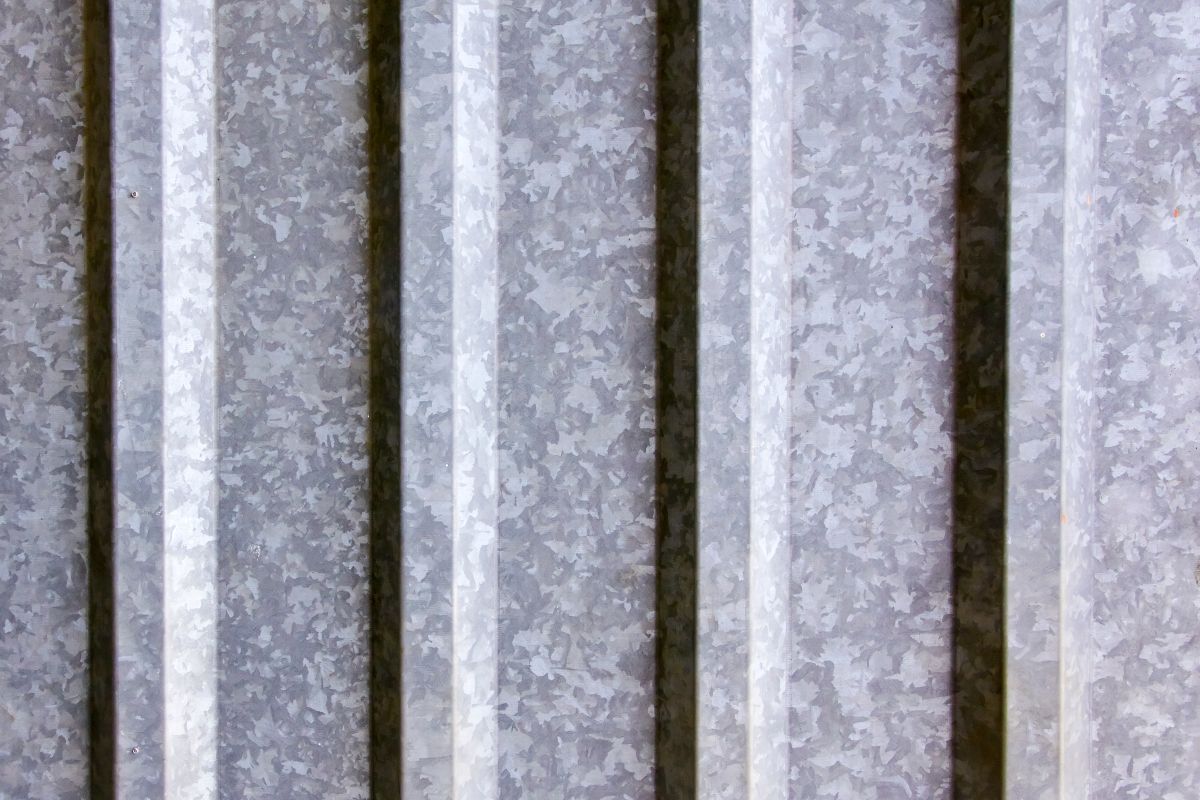
- Corrosion resistance: Galvalume coatings protect the steel substrate from rust and oxidation even in high-humidity and chemically active environments.
- Warranty coverage: Many trapezoidal panel products carry 25 to 40-year manufacturer warranties, and real-world service life frequently exceeds those periods.
4. Works on Very Low Slopes
Most quality trapezoidal systems are approved for a minimum roof slope as low as 1/4:12, making them highly compatible with the near-flat geometry common on commercial and industrial buildings where steep-slope systems cannot be used.
- 1/4:12 minimum roof slope: This is among the lowest slope ratings available for any metal roofing system, giving architects and building owners maximum design flexibility.
- Commercial roof compatibility: The vast majority of commercial and industrial buildings have low-slope or near-flat roofs that trapezoidal systems are specifically built for.
- Positive drainage: The rib profile channels water efficiently toward drainage points even on very shallow pitches, reducing ponding risk.
5. Fast and Efficient Installation
Trapezoidal panels install in a consistent, repeatable process that allows experienced crews to cover large roof areas efficiently, and they perform best on simple-slope roofs without dormers, hips, valleys, or other special conditions.
- Repeatable process: Each panel installs the same way, allowing crews to maintain a steady pace without the variation that slows down complex architectural systems.
- Flexible sequencing: Symmetrical trapezoidal profiles allow installers to start or stop panel runs at any point, accommodating weather interruptions and phased schedules.
- Individual panel replaceability: On some systems, a single damaged panel can be removed and replaced without disturbing adjacent panels, simplifying future maintenance.
6. Energy Efficiency and Reflective Performance
Trapezoidal panels with reflective coatings reduce the heat load transferred into the building below, lowering annual cooling costs, and the clean linear appearance of these panels gives commercial buildings a polished, professional look that holds up over decades.
- Solar reflectance: Light-colored and coated panels reflect a high percentage of solar radiation, reducing roof surface temperatures and heat transferred into conditioned spaces below.
- Reduced HVAC load: A cooler building envelope means HVAC systems work less during peak summer heat, translating to real monthly savings on energy bills.
- Tax incentive eligibility: Many Galvalume and coated steel trapezoidal systems qualify for energy-related tax incentives when they meet established reflectance thresholds.
7. Versatility Across Commercial and Industrial Applications
Their combination of structural strength, low-slope capability, and long-span performance makes trapezoidal panels a fit for a wide range of projects throughout the Tri-State area, and working with an experienced contractor helps identify the right product for your building.
- New construction: Ideal for warehouses, distribution centers, manufacturing plants, and large retail facilities built from the ground up.
- Retrofit and recover: Can often be installed directly over existing roofing systems, reducing tear-off costs and minimizing business disruption.
- Agricultural and industrial: Corrosion-resistant Galvalume panels perform well in environments with chemical exposure, humidity, and temperature extremes.
Trapezoidal Panel Comparison at a Glance
| Feature | Trapezoidal Standing Seam | R-Panel (Exposed Fastener) | Corrugated Panel |
| Fastener type | Concealed or mechanically seamed | Exposed through-fasteners | Exposed through-fasteners |
| Minimum slope | 1/4:12 | 1:12 typical | 3:12 typical |
| Structural span | High | Moderate | Low to moderate |
| Long-term leak risk | Low | Moderate (fastener wear) | Moderate |
| Best application | Commercial, industrial | Agricultural, light commercial | Agricultural, residential accent |
| Typical warranty | 25 to 40+ years | 10 to 25 years | 10 to 20 years |
Installation Tips for Trapezoidal Metal Panels
Trapezoidal panel installation rewards precision and experience, and the weather tightness these systems deliver in the field depends entirely on the quality of the work.
Substrate and Framing Preparation
Confirm that framing is level, properly spaced per the panel manufacturer’s span tables, and structurally sound before panels are installed. Any existing substrate used for a recover project must be evaluated for moisture damage and structural integrity first.
Seaming and Fastening
Mechanically seamed systems require a powered seaming tool to crimp panels to the correct profile, while snap-lock systems engage during installation but still demand careful alignment. In both cases, the crew must have specific experience with the system being installed and follow manufacturer tooling requirements exactly.
Trim, Flashing, and Penetrations
Ridge caps, eave trim, and flashings around penetrations and HVAC equipment must be installed with manufacturer-specified closures and sealants. Cutting corners on trim details is where most long-term trapezoidal roof problems originate.
Work With the Right Contractor
Embry’s Roofing has over 45 years of commercial roofing experience across the Tri-State area, working with trusted manufacturers including Metal Sales, Metal Era, Duralast, and Exceptional Metals. Every installation is backed by our 5-year workmanship warranty.
Common FAQs About Trapezoidal Metal Panels
Business owners and property managers considering trapezoidal panels for the first time tend to have a consistent set of questions before committing to a system. Here are the most common ones we hear from clients across the Tri-State area, along with straightforward answers to help you move forward with confidence.
What is the difference between trapezoidal and standing seam panels?
Standing seam is a broad category covering any metal panel system where the seam rises above the panel face. Trapezoidal panels are a type of standing seam system with a flat-topped rib profile, while vertical rib systems have a straighter seam that seals more easily at hips and valleys, making them better suited for architecturally complex roofs.
How long do trapezoidal metal panels last?
With proper installation, quality trapezoidal systems routinely deliver 40 to 50 years of reliable performance or more. Manufacturer warranties typically run 25 to 40 years, and many real-world installations exceed those timeframes.
Can trapezoidal panels be installed on an existing roof?
Yes, in many cases. Recover installations over existing roofing systems are common on commercial buildings where the structure is sound but the surface has reached the end of its service life. A professional inspection determines whether a recover is appropriate for your specific project.
Are trapezoidal panels a good choice for my commercial building?
They are an excellent choice for most commercial and industrial buildings with simple-slope or low-slope geometry and long structural spans. Buildings with significant architectural complexity may be better served by a vertical rib standing seam system.
How do I get started?
The best first step is a free inspection and consultation with an experienced commercial roofing contractor. Embry’s provides both at no obligation, so you can get accurate information about the right panel system and realistic costs before committing.
Get Commercial Roofing Done Right With Embry’s Roofing
Family-run since 1979 and backed by over 45 years of roofing experience, Embry’s Roofing serves commercial and industrial clients across Vincennes, Evansville, Paducah, Terre Haute, and the greater Tri-State area. Our HAAG certified inspectors and GAF Elite Master Contractor credentials reflect the expertise we bring to every project. Contact Embry’s today for a free inspection and find out which metal panel system is the right fit for your building.
CHECK OUT THE LATEST
FROM OUR BLOG