

Common Roofing Myths Debunked (What Homeowners Get Wrong)
Roofing advice travels fast through neighbors, online forums, and well-meaning relatives, and a surprising amount of it is wrong. Believing the wrong thing can lead to overspending, delayed repairs, or a roof that fails years ahead of schedule. This guide covers common roofing myths debunked in plain language, so you can separate fact from fiction before making a decision. Talking with local roofing professionals who explain the reasoning behind their recommendations is the best way to stay on the right track.
Here’s what this guide covers:
- Why roofing myths cost homeowners real money
- 7 common roofing myths and the truth behind each one
- How to tell fact from fiction when you get roofing advice
- The factors that actually determine how long a roof lasts
Why Roofing Myths Cost Homeowners Money
A roof is out of sight for most of its life, which makes it easy to rely on rumors and half-remembered advice. Unfortunately, decisions based on myths can be expensive, and the damage often shows up long after the decision was made.
- Leads to Costly Delays. Believing that a small problem can wait often turns an inexpensive repair into a major one once water reaches the structure.
- Causes Overspending. Misunderstandings about repairs, materials, and pricing can push homeowners toward options that cost more than the situation requires.
- Shortens Roof Lifespan. Skipping maintenance or choosing shortcuts based on bad information can wear a roof out years earlier than expected.
- Complicates Insurance Claims. Wrong assumptions about what insurance covers can leave homeowners unprepared when damage occurs.
- Weakens Your Negotiating Position. Knowing the facts makes it easier to evaluate estimates, ask good questions, and recognize pressure tactics.
Homeowners in Marion and surrounding areas often tell us they were surprised to learn that something they had always believed about roofing wasn’t true, which is why clearing up these misunderstandings early makes such a difference.
7 Common Roofing Myths Debunked
These seven myths come up again and again in conversations with homeowners. Each one contains a grain of truth, which is exactly why it keeps circulating. Looking at what is true and what is not helps you make better choices about repairs, replacements, and budgets.
1. Myth: A Leak Means You Need a Whole New Roof
A leak is a serious sign, but it does not automatically mean the entire roof has failed. Jumping straight to replacement can cost thousands of dollars that a targeted repair might have saved.
- Many leaks come from a localized problem such as damaged flashing, a cracked vent boot, or a few missing shingles, all of which can often be repaired at a fraction of the cost of replacement
- A proper inspection identifies whether the issue is isolated or part of widespread wear, which determines whether repair or replacement makes sense
2. Myth: You Only Need to Think About Your Roof When It Leaks
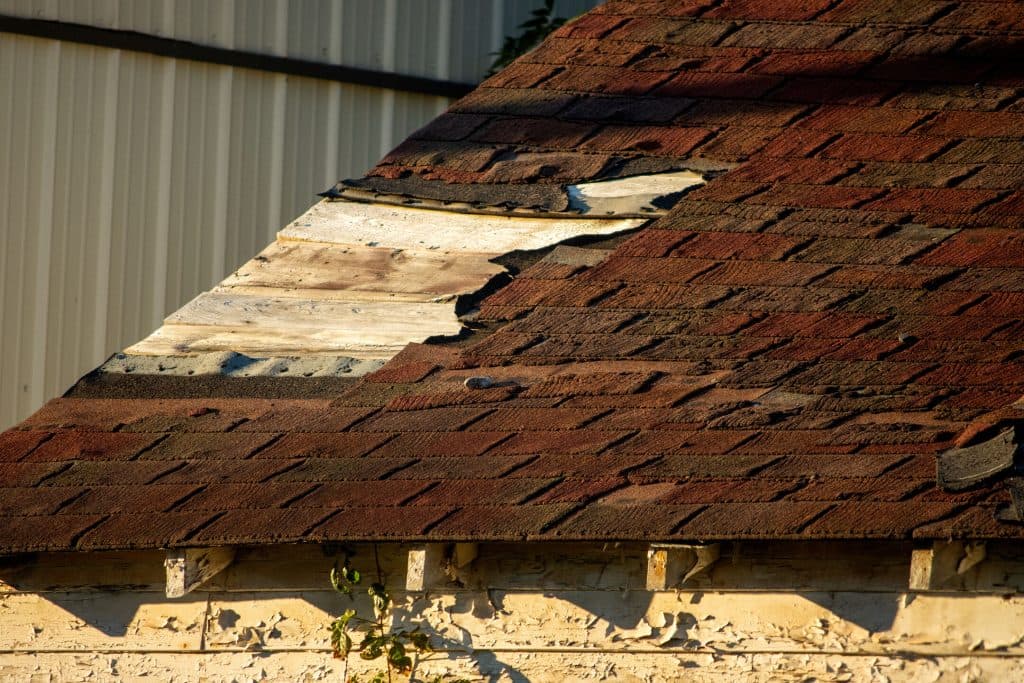
Waiting for a leak means the damage has already started, and by the time stains appear inside, water may have been entering for a while. Most roofing problems begin quietly, which is why routine attention pays off.
- Periodic inspections, along with checks after major storms, catch small problems while they are still inexpensive to fix
- Clearing debris and keeping gutters flowing helps prevent many problems before they begin
3. Myth: The Lowest Estimate Is the Best Deal
A low price can look attractive, but it only tells you what you pay today, not what the project will cost over the life of the roof. The real cost includes repairs, early replacement, and the stress of dealing with a contractor who cuts corners.
- Very low bids may leave out materials, underlayment, or flashing, or use lower-quality components that wear out sooner
- Comparing line items, warranty terms, and contractor reputation gives a far more accurate picture of value than price alone
4. Myth: Adding a New Layer Over the Old Roof Always Saves Money
Installing new shingles over existing ones, called a layover or overlay, can sometimes be done, but it is not always the bargain it appears to be. The savings are real in the short term, but the tradeoffs deserve a close look.
- Many codes limit the number of roofing layers, and an overlay can hide damaged decking or trapped moisture
- A full tear-off allows the deck to be inspected and repaired, which often leads to a longer-lasting result
5. Myth: Metal Roofs Attract Lightning and Are Always Loud
Two worries come up often about metal roofing, and neither tells the whole story. Both concerns have lingered for decades, even though modern installation methods have addressed most of them.
- Metal roofs do not attract lightning more than other roofing materials, and metal is non-combustible, which can be an advantage in a strike
- Noise during rain is usually reduced by solid decking, underlayment, and attic insulation that sit beneath the metal panels
6. Myth: Attic Ventilation Only Matters in Summer
Many homeowners assume vents are only about keeping the house cool, but ventilation plays a year-round role. Because attics are out of sight, airflow problems often go unnoticed for years.
- In winter, proper airflow helps carry away moisture that would otherwise condense in the attic
- Good ventilation also helps reduce heat buildup in summer, which can stress roofing materials
7. Myth: Insurance Will Always Pay for a New Roof
Insurance can help with damage from covered events, but it is not a blanket promise to replace an aging roof. Coverage details vary widely between policies, so the fine print matters.
- Policies often distinguish between sudden damage, such as storm or hail, and normal wear and tear, which is usually the category an aging roof falls into
- Reading your policy and documenting your roof’s condition before a problem occurs puts you in a better position if you need to file a claim
How to Tell Fact From Fiction When You Get Roofing Advice
Even trustworthy people repeat myths, so it helps to have a simple way to check what you hear. These habits make it much easier to find reliable answers, whether the advice comes from a neighbor, a website, or a salesperson.
- Ask to See the Evidence. A good roofer will show you photos of the problem and explain exactly what they found and why it matters.
- Get More Than One Opinion. Comparing two or three inspections helps you spot recommendations that don’t match what others see.
- Check Manufacturer Guidance. Product literature and warranty documents explain what a material can do and what installation it requires.
- Verify Credentials and Reputation. Licensing, insurance, and a track record of reviews in your community are strong signals of trustworthy advice.
- Be Wary of Pressure. Urgency tactics, such as claims that a deal expires today, are a sign to slow down and ask more questions.
Homeowners in Marion and surrounding areas who take a few minutes to verify what they hear tend to make calmer, better decisions, since reliable information is easy to find once you know where to look.
What Actually Determines How Long a Roof Lasts
Much of the confusion around roofing comes from not knowing what really drives a roof’s lifespan. The factors in the table below matter far more than most of the myths people repeat, and most of them are within a homeowner’s control.
| Factor | How It Affects Your Roof | What You Can Do |
| Installation quality | Poor installation can cause failures even with premium materials | Choose an experienced, licensed contractor |
| Attic ventilation | Poor airflow traps heat and moisture | Ask for a ventilation check during inspections |
| Weather and climate | Sun, wind, hail, and temperature swings wear materials over time | Inspect after severe weather |
| Routine maintenance | Debris and small issues accelerate wear when ignored | Clean gutters and schedule periodic inspections |
| Material quality | Higher-grade materials typically last longer when installed correctly | Compare materials and warranties, not just price |
| Tree cover and debris | Overhanging branches and leaf buildup hold moisture | Trim branches and clear debris regularly |
The pattern is clear. A well-installed roof that is ventilated properly and maintained consistently will usually outlast one that was chosen or cared for based on myths. Homeowners in Marion and surrounding areas who focus on these fundamentals tend to get more years out of their roofs and face fewer surprises along the way.
Get Straight Answers About Your Roof
Roofing myths are easy to believe because they sound reasonable and are repeated so often, even by people with the best intentions. The best defense is accurate information and a roofing partner who is willing to explain the why behind every recommendation, rather than simply telling you what to do.
At Embry’s Roofing, we give homeowners across Marion and surrounding areas honest assessments, clear explanations, and photos of what we find, so you can make decisions based on facts instead of folklore. If you have questions about your roof or want a trustworthy second opinion, contact us today to schedule an inspection.
CHECK OUT THE LATEST
FROM OUR BLOG