

Roof Deck Inspection: What Crews Check and Why It’s Critical
Everything on your roof, from shingles to flashing, rests on a layer most homeowners never see: the roof deck. A thorough roof deck inspection reveals whether that foundation is solid enough to support a new roof or whether hidden damage needs attention first. Working with an experienced roofing team means problems are found before new materials go on top of them. This guide walks through what crews look for, the warning signs you can spot yourself, and why this step protects your investment.
Here’s what this guide covers:
- Why the roof deck matters to the life of your roof
- The 6 things crews check during a roof deck inspection
- Warning signs you can spot from inside your home
- How common decking materials age and when they need replacing
Why a Roof Deck Inspection Matters for Your Home
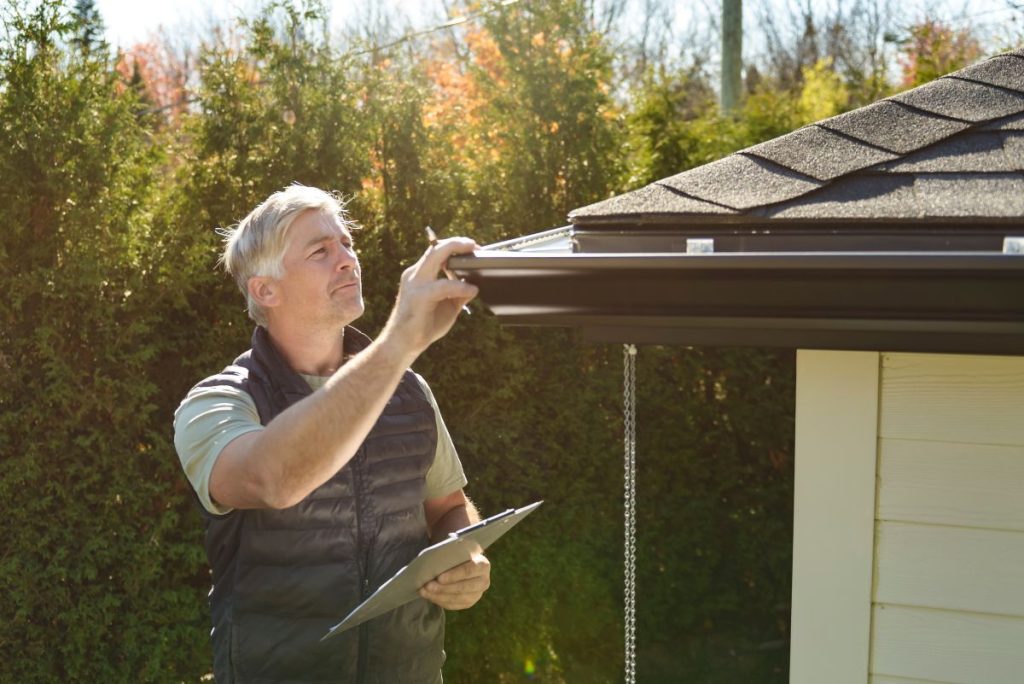
The roof deck, sometimes called sheathing, is the structural surface that shingles and other roofing materials are fastened to. If it is weak, wet, or damaged, even the best roofing material can fail early. Because the deck is hidden under the roofing, it is easy to forget about until a problem forces the issue.
- Protects Your New Roof Investment. Installing new shingles over damaged decking can lead to premature failure, which means paying for the same roof twice.
- Catches Hidden Moisture Damage. Leaks often soak the deck long before stains appear inside the house, so an inspection finds problems that aren’t visible from the ground.
- Supports Safe Installation. Crews need a sturdy surface to work on, and soft or rotted areas can create safety hazards during a roofing project.
- Preserves Your Warranty Coverage. Manufacturers typically require installation over a sound, properly prepared deck, so skipping this step can put your warranty at risk.
- Prevents Surprise Costs. Knowing the condition of the deck upfront helps you budget for repairs rather than facing unexpected charges halfway through the job.
Homeowners in Vincennes and surrounding areas often tell us they never gave the deck a second thought until a roofer pointed out rot or soft spots, which is why understanding this step ahead of time makes projects far less stressful. A little knowledge up front also helps you compare proposals more fairly.
6 Things Crews Check During a Roof Deck Inspection
A proper inspection goes well beyond a quick look. Crews evaluate the deck from several angles, and each one tells a different part of the story. Most of this work happens during tear-off, when the old roofing is removed and the deck is fully exposed for the first time in years.
1. Rot and Moisture Damage
Water is the biggest enemy of a roof deck, and rot is the most common problem inspectors find. Even a slow, small leak can soak the wood for years before any sign appears inside the house.
- Crews look for dark, soft, or crumbling wood, and they often test suspicious areas by pressing or probing the surface to see how much of the panel is still sound
- Damage tends to cluster around chimneys, vents, valleys, and edges where leaks are most likely
2. Sagging or Deflection
A deck that dips between the rafters can signal weakened sheathing, damaged framing, or long-term moisture problems. Catching it early gives you more options than waiting until the dip becomes visible from the street.
- Inspectors sight along the roofline and walk the surface to feel for bounce or dips
- Sagging may need more than a simple repair, since the cause could be structural
3. Loose or Popped Fasteners
Nails and screws can back out over time, especially with temperature swings, which weakens the connection between the deck and the framing. This is a common issue on older roofs and one that is inexpensive to fix when found during an inspection.
- Popped fasteners can push up through shingles and create openings for water
- Crews check that the deck is securely attached and re-secure loose panels before roofing begins
4. Gaps, Cracks, and Delamination
Wood panels can crack, split, or separate into layers after years of moisture and temperature changes. These flaws may look minor, but they can create weak spots that telegraph through the new roofing material.
- Plywood can delaminate, meaning the layers peel apart and lose strength
- Wide gaps between boards or panels may need to be corrected so the new roof sits on a flat, continuous surface
5. Mold, Mildew, and Pest Damage
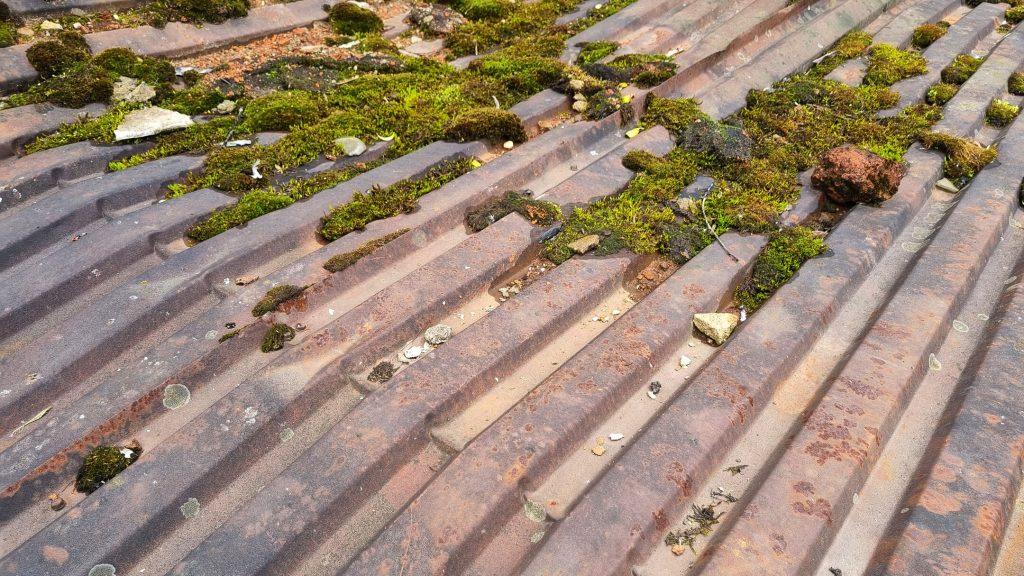
Moisture creates conditions for mold, and insects or animals can compromise wood in hidden areas. These problems are easy to miss without a close look, which is another reason a thorough inspection is worth the time.
- Dark staining, musty odors, or visible growth on the underside of the deck are all warning signs
- Evidence of pests, such as chewed or tunneled wood, should be addressed along with the source of the problem
6. Ventilation and Attic Conditions
The deck’s health depends partly on what’s happening beneath it, so a good inspection looks at the attic as well. Fixing the cause of moisture, not just the damage it created, keeps the problem from returning.
- Poor ventilation traps heat and humidity, which can warp sheathing and shorten shingle life, especially during hot summers and cold winters
- Crews check vents, insulation, and signs of condensation to see whether airflow needs to be improved
Warning Signs You Can Spot From Inside Your Home
You don’t need to climb onto the roof to notice clues about the deck. A quick look in the attic and around your ceilings can reveal problems early. Always use caution when entering an attic, and avoid stepping anywhere other than on the joists.
- Dark Stains on the Underside of the Roof. Brown or black patches on the wood often point to repeated leaks and moisture exposure.
- Daylight Coming Through the Roof. Small beams of light in the attic suggest gaps, holes, or failed flashing that should be checked.
- A Sagging or Wavy Roofline. Visible dips or waves from the street can indicate deck or framing problems underneath.
- A Musty or Damp Smell. Persistent odors in the attic usually mean trapped moisture and possible mold growth.
- Ceiling Stains or Peeling Paint. Spots on interior ceilings are often the first sign that water has reached the deck and beyond.
- Soft Spots Underfoot. If you can safely access the attic and notice spongy areas on the decking, mention them to your roofer.
Homeowners in Vincennes and surrounding areas who notice any of these signs should schedule an inspection promptly, since moisture damage tends to spread the longer it goes unaddressed. Taking a few photos of anything unusual gives your roofer a helpful starting point.
Decking Materials and How They Age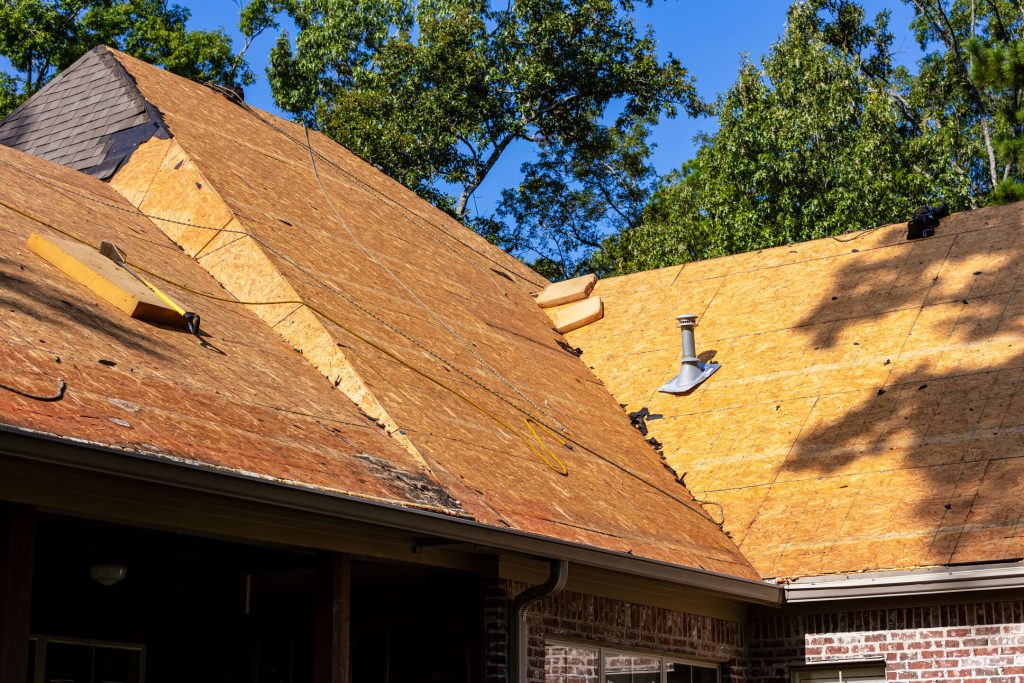
Not every roof deck is built the same way, and the material affects both how it ages and how problems show up. Knowing what your home has makes conversations with your roofer more productive, and it helps you understand why a recommendation might differ from what a neighbor was told.
| Decking Type | Where It’s Common | Typical Problems | What to Know |
| Plywood | Homes built across many decades | Delamination, edge swelling after leaks | Generally durable when kept dry |
| Oriented Strand Board (OSB) | Many newer homes | Swelling and softening when exposed to moisture | Sensitive to prolonged wetting |
| Plank or board decking | Older homes | Gaps, cracks, and warping | Often needs extra attention before reroofing |
| Metal decking | Some commercial-style or specialty roofs | Corrosion at fasteners or seams | Less common on traditional homes |
When damage is found, the usual fix is to replace the affected sections rather than the entire deck, as long as the surrounding material is sound. Replacing only what is needed keeps costs reasonable while still giving the new roof a reliable base. Contractors often list decking replacement as a separate line item priced per sheet or per square foot, since the amount of damage can’t be known until old roofing is removed. Asking how this will be handled before work begins, and how any extra cost will be approved, helps you avoid surprises, and homeowners in Vincennes and surrounding areas who raise the question upfront tend to have smoother, more predictable projects.
Give Your New Roof a Solid Foundation
A roof is only as strong as the surface beneath it, which makes the deck one of the most important parts of the entire system, even though it is rarely seen. A careful inspection protects your investment, keeps your family safe, and helps your new roof reach its full lifespan, which is exactly the outcome you want from a major home improvement.
At Embry’s Roofing, we inspect the roof deck as a standard part of every replacement, show you photos of any problem areas, and explain what we find in plain language for homeowners across Vincennes and surrounding areas. If you’re planning a new roof or suspect hidden damage, contact us today to schedule an inspection.
CHECK OUT THE LATEST
FROM OUR BLOG