

How to Read a Roofing Estimate Line by Line
A roofing estimate can look like a page of numbers and abbreviations, yet it is the most important document you’ll review before spending money on your roof. Knowing how to read a roofing estimate lets you compare proposals fairly, spot missing details, and avoid surprise charges later. An experienced roofing professional will gladly walk you through every line, and the guide below shows you what each section means and which questions are worth asking before you sign anything.
Here’s what this guide covers:
- Why reading an estimate carefully protects your budget
- A line-by-line walkthrough of the 8 sections found in most estimates
- The questions to ask about each line item
- How vague wording compares with clear, trustworthy wording
Why Reading Your Estimate Carefully Helps You Compare Estimates
Many property owners focus on the total at the bottom of the page and skip everything above it, which is understandable when the document is crowded with unfamiliar terms. That habit makes it easy to miss the details that actually determine what you get and what you might pay for later. Reading closely also makes it much easier to compare estimates from different contractors on equal terms.
- Reveals What Is and Isn’t Included. The line items show exactly which work is covered, so you can spot omissions before they turn into change orders.
- Makes Bids Truly Comparable. Two estimates with different totals may be pricing completely different work, and only a line-by-line review shows the difference.
- Exposes Vague or Padded Charges. Clear descriptions make it easier to notice allowances, lump sums, or fees that don’t match the described scope.
- Protects Your Warranty Coverage. The materials and installation methods listed determine which manufacturer warranties apply, so details matter.
- Builds Confidence in Your Choice. When you understand every line, you can sign knowing exactly what you agreed to.
Property owners in Evansville and surrounding areas often tell us they felt more in control of the whole project once they understood what each section of the estimate was telling them, which is exactly what this guide is designed to do.
8 Sections of a Roofing Estimate, Line by Line
Estimates vary in format, but most include the same core sections. Reading them in order helps you build a complete picture of the proposed project. Keep a pen handy and mark every line you don’t fully understand so you can raise it with the contractor.
1. Project Information, Scope Summary, and Insurance Estimate Notes
The top of the estimate should identify the property, the contact information, the date, and a short description of the work. This section may seem like paperwork, but it sets the foundation for everything that follows and prevents confusion about which building or roof section is being priced. If the project follows storm damage, check that the scope lines up with any insurance estimate you have received.
- Confirm the property address and roof areas are correct, especially on buildings with multiple roof sections
- Look for a summary that states whether the project is a repair, a recover, or a full replacement
2. Measurements and Roof Details
Your estimate should show the size of the roof, often in squares, where one square equals 100 square feet. Contractors use these measurements to calculate material quantities and labor, so they have a direct effect on the final price.
- Check that the measurements are reasonable for your building, since errors here carry through to every other price
- Details such as slope, number of layers, and existing roof type help explain why the contractor chose a particular approach
3. Tear-Off and Disposal: How Many Layers Are Coming Off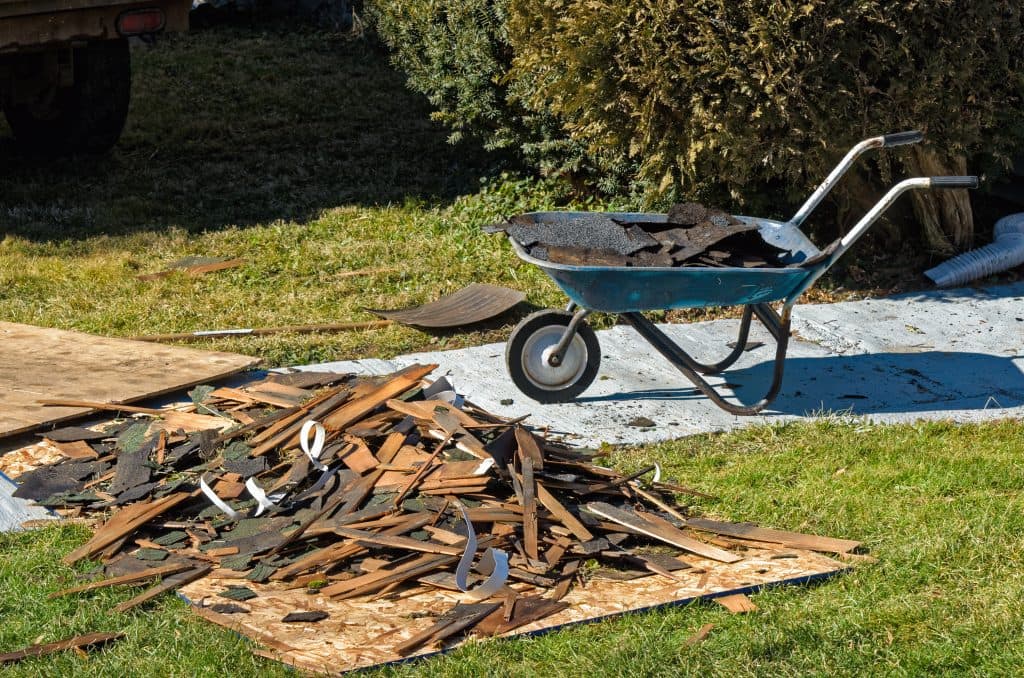
This line describes whether the old roofing will be removed and how the debris will be handled. Tear-off can be a significant portion of the project cost, especially on buildings with several existing layers. Ask how many layers the contractor found or expects to find, since that number affects both labor and disposal.
- Ask whether the estimate covers removal of every layer or only the top layer
- Disposal fees should be clearly stated, not buried in a general labor charge
4. Materials, Including Ice and Water Shield
This is the section that lists the roofing system, insulation, underlayment, and other products to be installed. It is usually the most important part of the estimate, because the materials largely determine how long the roof will last. In cold or wet climates, look for ice and water shield at eaves and valleys, since this self-adhering barrier adds protection where leaks are most likely.
- Look for specific product names, manufacturers, and thicknesses, not a general term like “membrane”
- Specific materials let you verify warranty coverage and compare bids accurately
5. Labor Costs, Labor Hour Rates, and Installation
Labor covers the crew’s work to install the materials, and it is often listed as a lump sum or by task. Skilled installation is what turns good materials into a roof that performs, so this line deserves as much attention as the products themselves. Ask whether labor is priced by the labor hour or as a fixed amount, and how the contractor controls labor costs if the job runs long.
- Ask how the contractor handles weather delays and whether installation follows manufacturer specifications
- A detailed labor description signals a contractor who has planned the work carefully
6. Flashing, Drip Edge, and Ventilation
Flashing, drains, vents, and edge metal are small items with a large effect on roof performance. They are also the items most likely to be left off a low bid, which makes this section a quick way to compare estimates. Confirm that drip edge and other edge metal are included and named, since this small item protects the roof edge and fascia.
- Confirm that flashing at walls, penetrations, and edges is included, since leaks often start here
- Ask whether existing accessories will be reused or replaced
7. Permits, Building Codes, and Allowances for More Materials
Some estimates include permit costs, inspection fees, and allowances for hidden conditions such as damaged decking. These lines can change the final total, so it is worth understanding how each one is calculated. Work should also meet local building codes, and the estimate should say who is responsible for confirming that. If decking turns out to be damaged, the project may need more materials than first planned, so ask how that cost is approved before it is added.
- Allowances are estimates for work that can’t be priced until the roof is opened, so ask how overages and savings will be handled
- Confirm who is responsible for obtaining permits and scheduling inspections
8. Warranty, Payment Terms, and Total
The final section covers warranties, the payment schedule, and the total price. Take your time here, since this is where the financial and legal details of the agreement are spelled out.
- Compare the manufacturer’s warranty with the contractor’s workmanship warranty, and confirm the length and coverage of each
- Payment terms should tie larger payments to progress or completion rather than demanding most of the money upfront
Questions to Ask About Every Line Item
An estimate is the start of a conversation, not the end of one. A few well-chosen questions will clarify nearly any line and reveal how thoughtful the contractor really is. Contractors who welcome questions and answer them clearly are usually the ones who communicate well throughout the project.
- What Exactly Does This Cover? Ask for a plain-language explanation of any line that includes general wording such as “miscellaneous” or “as needed.”
- Is This a Fixed Price or an Allowance? Fixed prices stay put, while allowances can rise or fall depending on conditions discovered during the work.
- Which Brand and Product Is This? Named products let you confirm quality, compare options, and verify warranty requirements.
- What Happens If You Find Hidden Damage? Understanding how unexpected repairs are priced and approved prevents arguments later.
- Who Handles Permits and Inspections? The answer tells you whether those costs and responsibilities are already included.
- How Is Cleanup Handled? A good contractor will explain how debris, fasteners, and materials are removed from the property each day.
Property owners in Evansville and surrounding areas who ask these questions consistently report fewer surprises, because the answers bring hidden assumptions into the open before any work begins.
Vague Wording vs Clear Wording Across Multiple Estimates
The way a line item is written often says as much as the price. Comparing vague language with clear language helps you recognize an estimate that was prepared with care. This is especially useful when you gather multiple estimates and need a fair way to rank them.
| Vague Line Item | Clear Line Item | Why It Matters |
| “Roofing materials” | Named membrane, thickness, and manufacturer | Lets you verify quality and warranty eligibility |
| “Labor” | Installation method and crew scope described | Shows the work is planned and standardized |
| “Misc. repairs” | Decking repair priced per sheet or per square foot | Prevents open-ended charges |
| “Cleanup” | Daily debris removal and magnet sweep included | Protects your property from leftover hazards |
| “Warranty included” | Manufacturer and workmanship terms stated with years | Confirms exactly what protection you receive |
A single vague line does not automatically mean a contractor is dishonest, but several of them together should prompt follow-up questions. The goal is not to catch anyone out, but to make sure both sides share the same understanding of the work. Property owners in Evansville and surrounding areas who request clarification in writing, and who receive a revised estimate that addresses their questions, end up with a document that protects both sides throughout the project.
Get an Estimate You Can Actually Understand for Your New Roof
A good roofing estimate should leave you feeling informed, not confused, and it should never pressure you to decide before you understand what you’re buying. Whether you need a repair or a new roof, take the time to understand every line. When every line is clear, you can compare options with confidence, plan your budget accurately, and move forward knowing exactly what will happen on your roof.
At Embry’s Roofing, we write detailed estimates and walk property owners across Evansville and surrounding areas through every section, so there are no surprises later. If you have an estimate you’d like help reviewing or you’re ready to request a new one, contact us today and our team will be glad to help.
CHECK OUT THE LATEST
FROM OUR BLOG