

The Homeowner’s Guide to Roof Gutters: Types, Maintenance, and Signs of Trouble
Gutters rarely get much attention until water starts pooling somewhere it shouldn’t, yet they’re one of the hardest-working systems on your home, quietly managing gallons of runoff every year. This roof gutters guide walks through the different gutter types available, how to keep them functioning properly, and the warning signs that mean it’s time to call someone. Whether you’re dealing with an aging system or planning a full replacement, working with an experienced roofing team that understands how gutters interact with the rest of your roof makes the whole process easier. Let’s break down what every homeowner should know.
Here’s what this guide covers:
- Why properly functioning gutters protect far more than just your roof
- The 4 most common types of gutters and how they differ
- The warning signs that mean your gutters need attention
- How different gutter materials compare in cost and durability
Why Roof Gutters Matter More Than Most Homeowners Realize 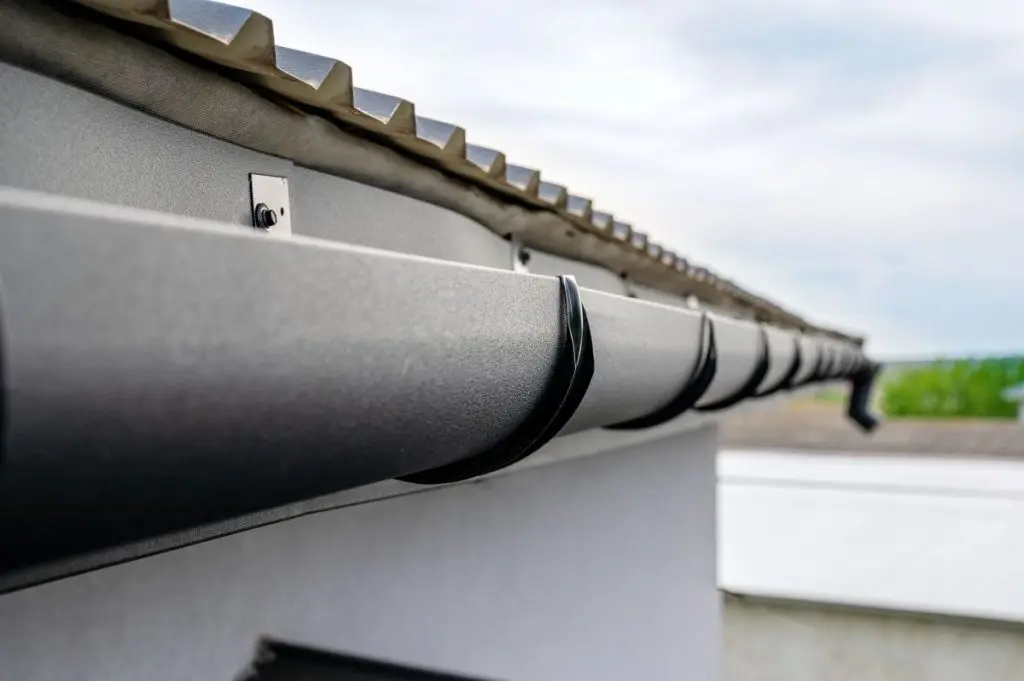
Gutters are designed to do one job, move water away from your home, but that single function protects several other systems at the same time. A gutter system that isn’t working properly rarely announces itself immediately, which is exactly why so many homeowners are surprised by the extent of damage once a problem is finally discovered.
- Protects Your Foundation. Properly functioning gutters direct water away from the base of your home, preventing the soil erosion and settling that can lead to foundation cracks over time.
- Prevents Fascia and Soffit Damage. Overflowing or clogged gutters allow water to pool against the fascia board and soffit, leading to wood rot that may require fascia board repair and can spread into the roof structure itself.
- Reduces Basement and Crawl Space Flooding. Water that isn’t properly diverted away from the home often finds its way into basements and crawl spaces, leading to moisture damage and mold growth.
- Protects Landscaping and Hardscaping. Redirected water prevents the erosion and pooling that can damage flower beds, mulch, and walkways near the home’s perimeter.
- Reduces Ice Dam Formation. In colder climates, properly functioning gutters help manage melting snow and ice, reducing the risk of ice dams that can force water beneath roofing shingles and into the attic space below. Existing ice dams may require roof ice dam removal to restore drainage.
Homeowners in Henderson and surrounding areas often don’t think about their gutters until a problem shows up inside the home, at which point the water damage has usually already been happening for longer than anyone realized. A gutter system that’s quietly failing rarely announces itself with an obvious sign until the damage has already spread well beyond the gutter itself and into the structure below.
The 4 Most Common Types of Roof Gutters
Not every gutter system looks or performs exactly the same way. These four types cover the vast majority of what’s installed on homes today, and knowing the differences helps you have a more informed conversation if you’re considering a replacement.
1. K-Style Gutters
K-style gutters are the most widely installed gutter type in residential construction, named for their decorative profile that closely resembles crown molding when viewed from the side. Their popularity comes down to a practical combination of capacity, appearance, and ease of installation that fits most home styles.
- Their flat back allows for easy mounting directly against fascia boards, simplifying installation
- K-style gutters typically hold more water volume than half-round designs of a similar size, making them a practical choice for areas with heavy rainfall
2. Half-Round Gutters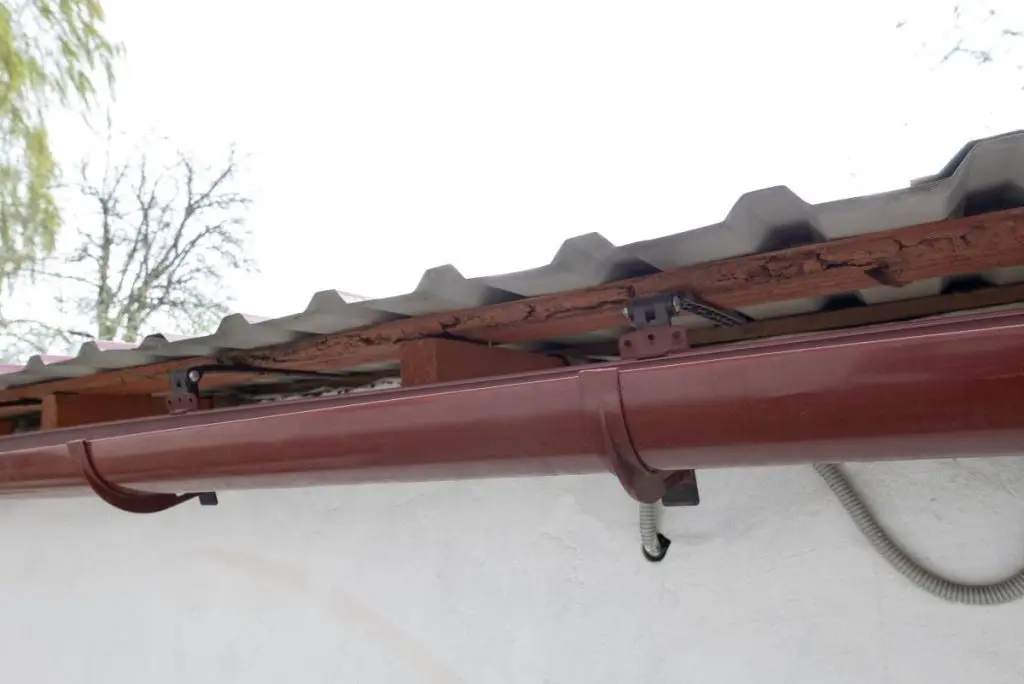
Half-round gutters have a simple, curved, U-shaped profile and are often chosen for their classic, traditional appearance, particularly on older or historic homes. Their design has remained largely unchanged for many decades, which is part of why they pair so naturally with period-appropriate architecture.
- Their smooth interior surface allows debris to pass through more easily than gutters with tighter interior angles
- Half-round systems are frequently paired with round downspouts for a cohesive, traditional aesthetic
3. Box Gutters
Box gutters are built directly into the roof structure itself, rather than being mounted externally along the roofline, and are more commonly found on commercial buildings and some older residential construction. Because they’re hidden within the roof assembly, problems with a box gutter can go unnoticed for longer than issues with an exposed system, which makes routine inspection especially important for homes with this design.
- This design requires careful waterproofing since the gutter is integrated into the roof deck rather than sitting outside of it
- Box gutters demand more specialized maintenance and repair knowledge than externally mounted systems
4. Seamless Gutters
Seamless gutters are custom-formed on site to match the exact dimensions of a home, eliminating the seams found in sectional gutter systems entirely. This custom fabrication process happens using a portable machine brought directly to the property, ensuring a precise fit along every run of the roofline.
- Fewer seams mean fewer potential leak points, which is one of the primary reasons seamless gutters have grown in popularity
- Because they’re custom fabricated for each home, seamless gutters typically cost more upfront than pre-formed sectional options
Signs Your Gutters Need Attention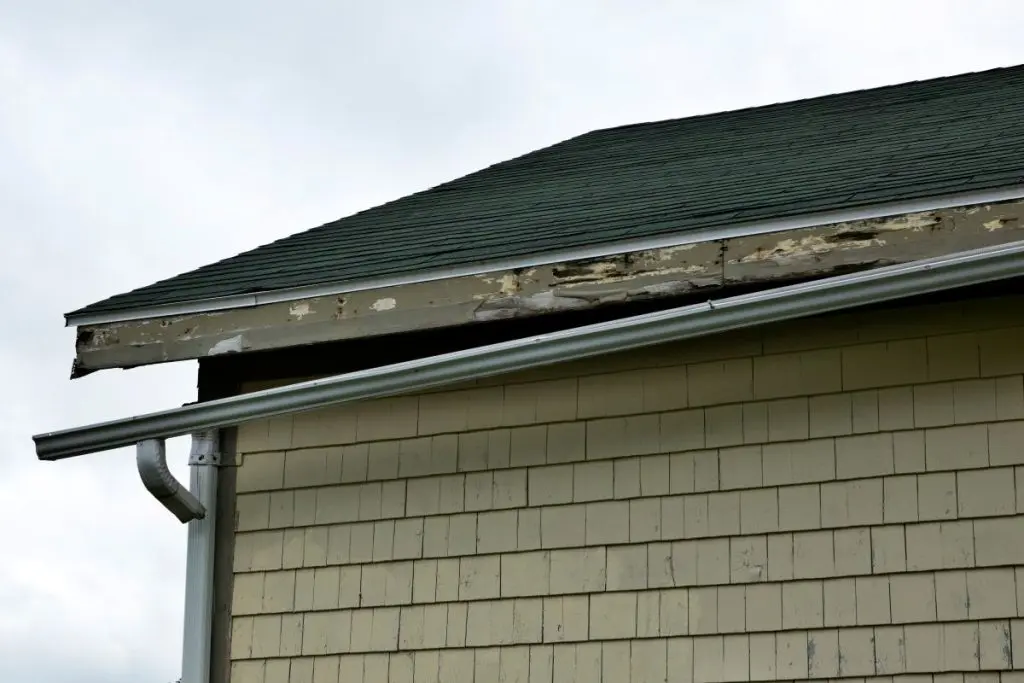
Catching gutter problems early prevents the more expensive damage that shows up once water starts finding its way into places it shouldn’t. Most of these signs are easy to spot during a simple walk around the home, especially after a heavy rain.
- Sagging or Pulling Away From the Roofline. Gutters that visibly droop or separate from the fascia are often overloaded with debris or have failing hangers that need replacement before a section detaches entirely.
- Water Stains or Peeling Paint Beneath the Gutter Line. Staining on siding or fascia boards usually indicates water is overflowing rather than draining through the downspouts as designed.
- Visible Cracks or Rust Spots. Small cracks and rust patches tend to expand over time, and addressing them early prevents a full section replacement later.
- Pooling Water or Erosion Near the Foundation. This is one of the clearest signs that water isn’t being properly redirected away from the home, and it should be addressed before foundation damage develops.
- Mildew or Mold Growth Near the Gutter Line. Persistent moisture from a malfunctioning gutter system creates ideal conditions for mold, which can spread to fascia, soffit, and even interior walls if left unaddressed.
Homeowners in Henderson, Evansville, Newburgh, and surrounding areas dealing with older gutter systems should watch closely for these signs especially after a heavy storm, since storm debris is one of the most common causes of sudden gutter failure. Leaves, branches, and shingle granules can accumulate quickly during a single storm event, overwhelming a system that was working fine just days before.
Gutter Materials Compared
Material choice affects a gutter system’s cost, lifespan, and maintenance needs just as much as the profile style does. The table below compares the four materials most commonly used on residential gutter systems today.
| Material | Typical Lifespan | Maintenance Needs | Relative Cost |
| Aluminum | 20 to 30 years | Low, resists rust well | Moderate |
| Vinyl | 10 to 20 years | Low, but can become brittle in extreme cold | Lowest |
| Steel | 20 to 25 years | Moderate, prone to rust without coating | Moderate to high |
| Copper | 50 years or more | Low, develops a protective patina over time | Highest |
Aluminum remains the most common choice for most modern homes due to its balance of cost, durability, and low maintenance requirements, and it holds up well across a wide range of climates without requiring specialized upkeep. Copper, while significantly more expensive, appeals to homeowners in Henderson and surrounding areas who want a distinctive appearance and are willing to pay for a system that can genuinely outlast the roof itself. Vinyl offers the lowest upfront cost but tends to become brittle over time, particularly in regions with harsh winters, which shortens its practical lifespan compared to metal alternatives. Steel splits the difference between aluminum and copper, offering solid strength but requiring more attention to prevent rust once its protective coating begins to wear over time.
Keep Your Gutters, and Your Roof, in Top Shape
Gutters may not be the most exciting part of home maintenance, but they play an outsized role in protecting your foundation, siding, landscaping, and the roof itself from water damage. Recognizing the warning signs early, and choosing the right type and material for your home, saves you from far more expensive repairs down the road. A small investment in regular gutter maintenance consistently pays for itself many times over compared to the cost of repairing water damage after the fact.
At Embry’s Roofing, we help homeowners across Henderson, Owensboro, and surrounding areas assess, repair, and replace gutter systems as part of a complete approach to roof health. Gutters and roofing work together as a single system, and neglecting one often shortens the lifespan of the other. If your gutters are showing signs of trouble or you’re ready to explore your options, contact us today to schedule an inspection.
CHECK OUT THE LATEST
FROM OUR BLOG