
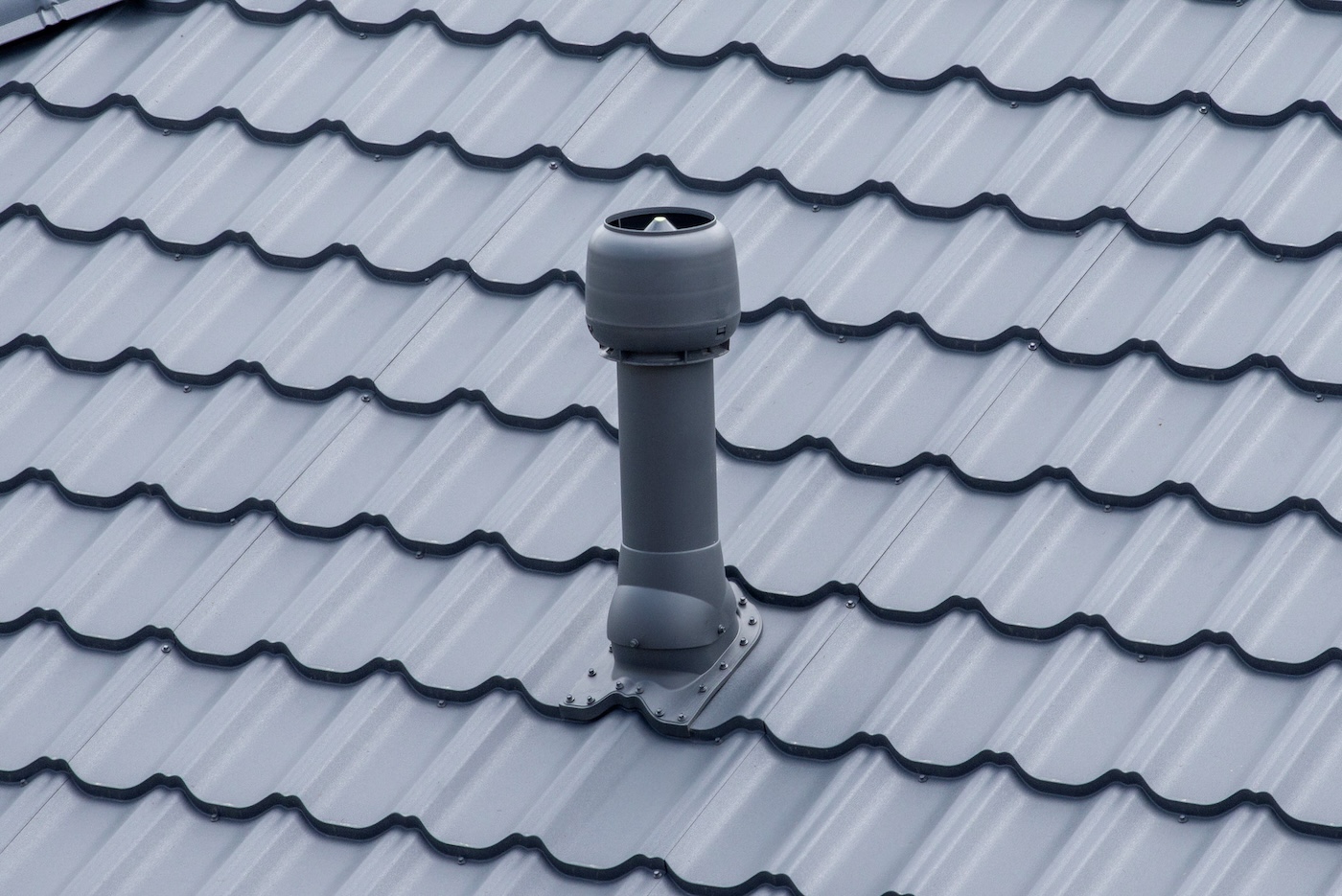
Metal Roof Vents (Top 7 Venting Solutions for 2026 Homes)
Metal roof vents are essential for maintaining proper airflow, protecting attic spaces, and extending the life of your roofing system. Without effective venting, trapped air buildup can strain insulation, increase energy costs, and shorten the lifespan of metal roofing panels. As more homeowners upgrade to metal roofs in 2026, choosing the right venting solution is just as important as selecting the panels themselves.
For homeowners in Terre Haute, IN, seasonal temperature swings, humidity, and winter frost cycles make attic airflow especially important for long term performance and overall building protection.
- Improved airflow: Promotes balanced attic circulation
- Energy efficiency: Reduces strain on heating and cooling systems
- Roof durability: Supports long term roofing performance
- Condensation control: Minimizes moisture related risks
Why Venting Matters for Metal Roofing Systems
Metal roofing systems are known for strength and durability, but they must be paired with proper airflow design. Unlike traditional shingles, metal panels respond quickly to temperature changes. Without adequate venting, that difference can create condensation beneath the panels, impacting the roof deck and structural framing over time.
Balanced intake and exhaust ventilation allows air to move continuously through the attic space. This helps regulate indoor temperatures while reducing strain on HVAC systems. According to the U.S. Department of Energy, proper attic ventilation helps reduce heat buildup and improve overall energy efficiency. In Indiana, where summers are humid and winters bring freezing temperatures, that balance is critical for protecting both roofing materials and interior comfort.
A properly designed system also supports the overall durability of the roofing product by limiting extreme temperature shifts beneath the panels.
Top 7 Venting Solutions for 2026 Homes
Selecting the right vent type depends on roof design, slope, attic size, insulation levels, and airflow needs. Below are seven effective venting solutions commonly used in modern homes.
- Ridge vents: Installed along the peak of the roof, ridge vents allow warm air to escape naturally through the highest point of the attic.
- Soffit vents: Located under the eaves, soffit vents draw cooler outside air into the attic to support balanced intake.
- Gable vents: Mounted on exterior walls near roof peaks, these vents promote cross ventilation when paired correctly with other systems.
- Box vents: Static vents installed near the ridge that allow warm air to exit without moving parts.
- Powered attic exhaust fan: An electrically powered exhaust fan actively removes hot air from the attic, which can be helpful in larger homes.
- Solar attic vents: Solar powered units that increase airflow without increasing electricity costs.
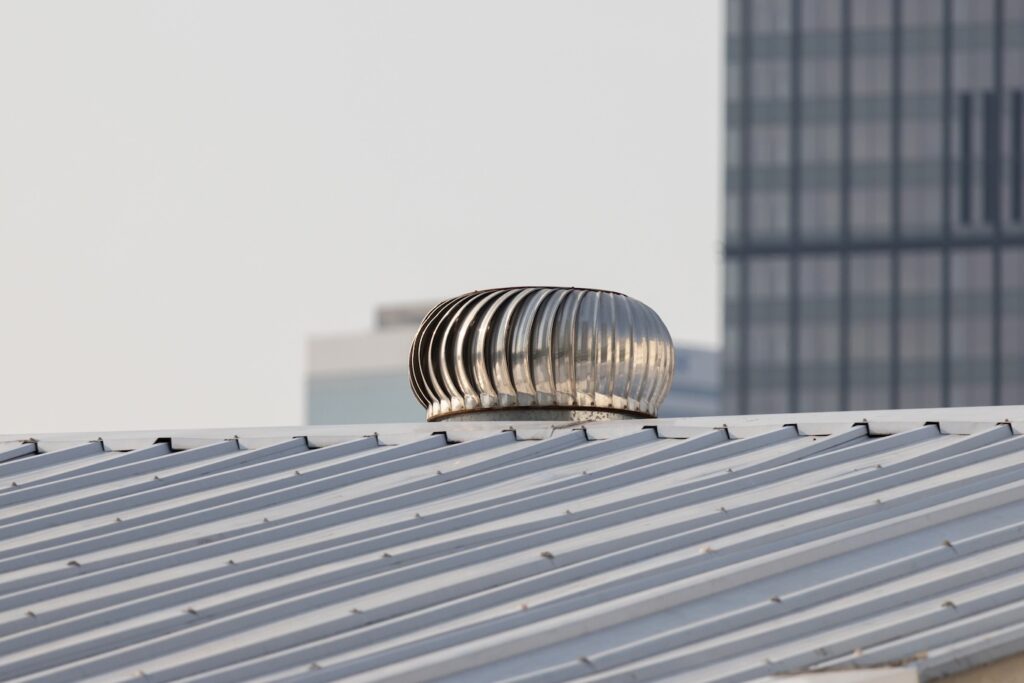
- Turbine vents: Wind driven vents that spin to pull air upward and out of the attic.
Each option must be matched to the structure of the building and the specific roofing product being installed.
Ridge Vents vs. Box Vents Comparison
Choosing between ridge vents and box vents is common for residential metal roofing systems. Both provide exhaust airflow, but they function differently depending on attic size and roof configuration.
| Feature | Ridge Vent | Box Vent |
| Installation Location | Roof peak | Near ridge area |
| Airflow Coverage | Continuous | Sectional |
| Appearance | Low profile | Visible vent units |
| Performance | Even distribution | Spot ventilation |
| Best For | Larger attics | Smaller roof sections |
Ridge vents are often preferred for their seamless appearance and balanced airflow distribution, especially on modern metal roofing systems.
Signs Your Metal Roof Needs Better Venting
Even newer metal roofs can experience airflow issues if the system was not properly designed. Watch for these warning signs:
- High attic temperatures: Noticeable heat accumulation during summer
- Condensation buildup: Moisture on underside of metal panels
- Ice dam formation: Winter freeze and thaw patterns
- Rising energy bills: HVAC systems running longer cycles
Proper airflow also helps reduce strain caused by excess humidity from bathroom exhaust fan lines or improperly vented dryer vents that terminate in attic spaces instead of outside the building.
We’re proud to serve home and business owners in Terre Haute, IN, and nearby communities with metal roof vent solutions and more.
Common Questions About Metal Roof Vents
Homeowners often have questions about how ventilation works with metal roofing systems. Because metal responds quickly to temperature changes, proper vent design is critical for long term performance.
Do metal roofs require special vents?
Metal roofs do not require completely different vents, but they do require flashing systems specifically designed for metal panels. Each vent product should be tested for compatibility with the roofing system to ensure proper sealing and long term durability.
Can I add vents to an existing metal roof?
Yes, vents can be added to an existing system, but careful installation is required. Cutting into panels must be done precisely, and flashing components must match the roofing product to prevent leaks.
How many vents does my roof need?
The number of vents depends on attic square footage and intake to exhaust ratios. A professional evaluation ensures your building receives balanced airflow.
Are powered attic fans better than ridge vents?
Powered systems such as an exhaust fan can increase airflow, but they must be properly balanced with intake vents. In many homes, ridge and soffit vent combinations provide consistent natural airflow without mechanical components.
Vent Components That Should Never Be Ignored
In addition to primary roof vents, several other ventilation elements affect overall system performance. These components should be properly routed and sealed to prevent airflow disruption.
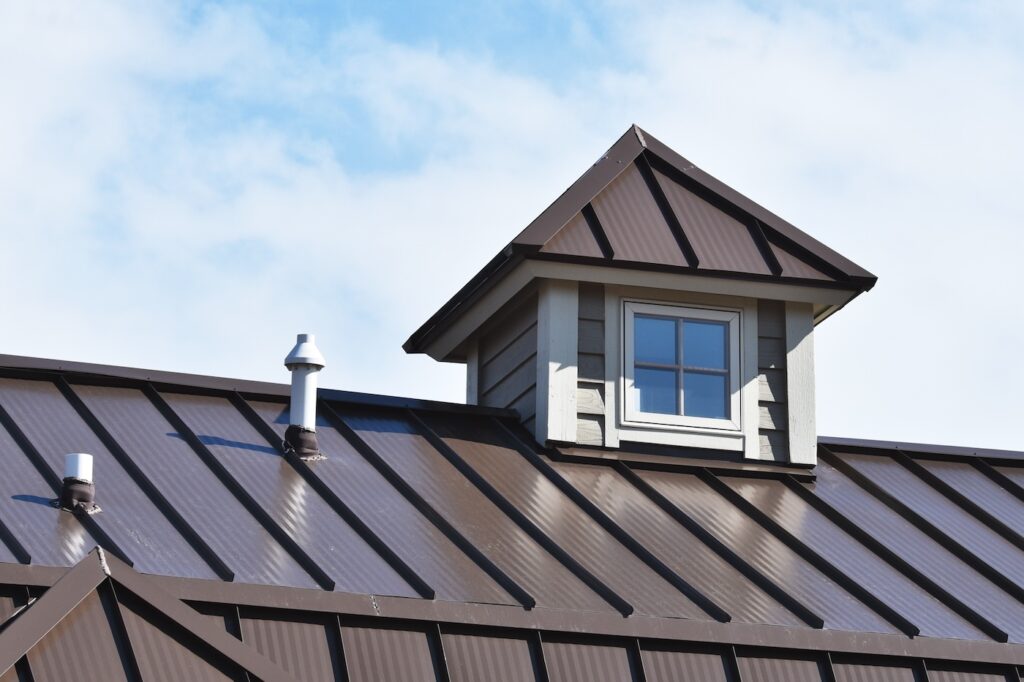
- Bathroom vent lines: Must terminate outside the roof, not into the attic
- Dryer vents: Should exit the building directly to prevent moisture buildup
- Proper flashing: Each penetration requires sealed and tested components
- Balanced intake: Ensures exhaust vents function efficiently
Overlooking these details can compromise both the roofing system and the interior of the home.
Performance You Can Trust with Embry’s Roofing
At Embry’s Roofing, we understand that metal roof vents are not just accessories. They are critical components of a complete roofing system. Our team evaluates attic airflow, panel design, and insulation levels to ensure your metal roof performs at its best in every season.
If you are considering metal roof vents in Terre Haute, contact Embry’s Roofing today for a free inspection or consultation. Let our experienced team ensure your roofing product and ventilation system work together to protect your building in 2026 and beyond.
CHECK OUT THE LATEST
FROM OUR BLOG