
Minimum Slope for a Metal Roof (2026 Guide for Homeowners)
Minimum slope for a metal roof plays a major role in how effectively a roofing system sheds water, prevents leaks, and performs over time. Metal roofing panels are engineered to guide rain and snow away from the structure, but they must be installed at the correct roof pitch to function properly. For homeowners in Newburgh, where heavy rain and seasonal storms are common, choosing the right metal roof slope can help prevent moisture problems and protect the roofing system for decades.
- Why roof slope matters for metal roofing performance
- Minimum slope recommendations for different metal roof systems
- How slope impacts drainage and leak prevention
- When homeowners should schedule a professional roof inspection
Why Roof Slope Matters for Metal Roofing
Roof slope refers to the steepness or roof pitch of a roof surface. It is typically measured as the number of inches of vertical rise for every twelve inches of horizontal distance. For example, a 4:12 slope means the roof rises four inches vertically for every twelve inches of horizontal run.
A metal roof depends on proper slope to allow rainwater and melting snow to drain quickly across the metal roofing panels. When the slope is too low, water may move slowly across the roof surface or collect in certain areas. This is especially important for homes with a low slope metal roof or flat roof designs, where proper drainage becomes critical to protecting the roof deck beneath the panels.
- Improved drainage: Proper slope allows water to move efficiently toward gutters and drainage points.
- Reduced leak risk: Faster water runoff limits the chance of moisture entering seams or fastener locations.
- Better debris control: Adequate slope helps prevent leaves and debris from collecting on the roof surface.
Standard Minimum Slope Requirements for Metal Roofs
Different types of metal roofing systems have different minimum slope requirements depending on their design and installation method. Some metal roof systems perform well on steeper residential roofs, while others are engineered for low slope metal installations.
Standing Seam Metal Roof Systems
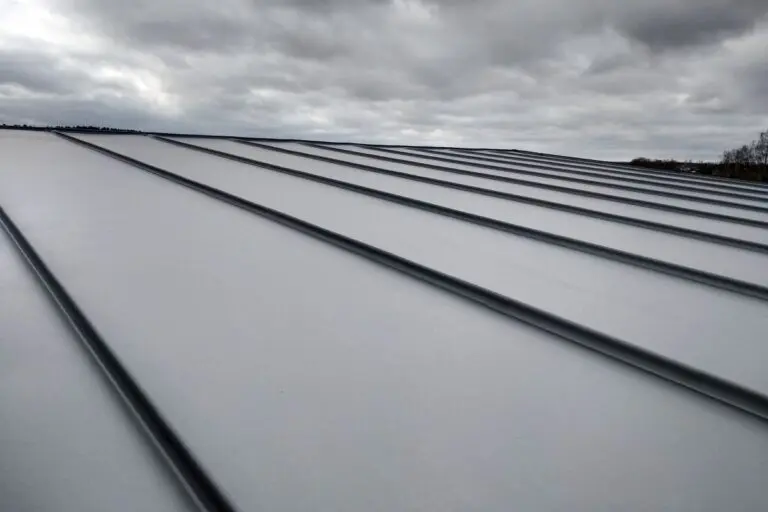
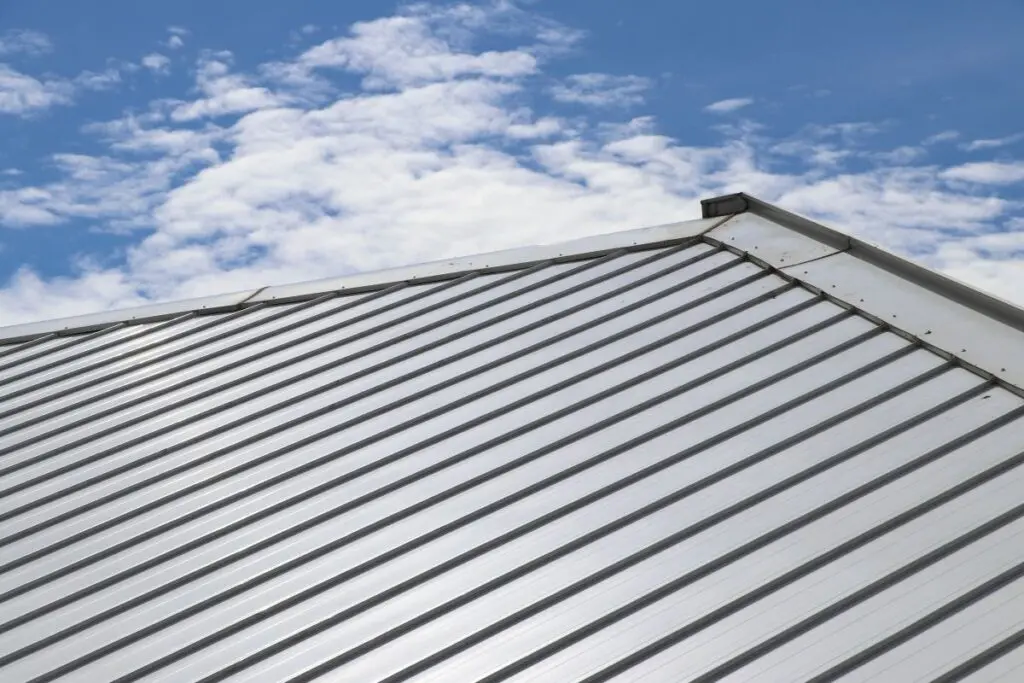
Standing seam systems are among the most common choices for residential metal roofing because of their durability and clean appearance. These roofs use vertical panels that connect with raised seams, allowing water to move easily down the surface. Many standing seam systems can be installed on slopes as low as 2:12 when the panels are mechanically seamed and installed over a properly prepared roof deck.
Corrugated Metal Roofing
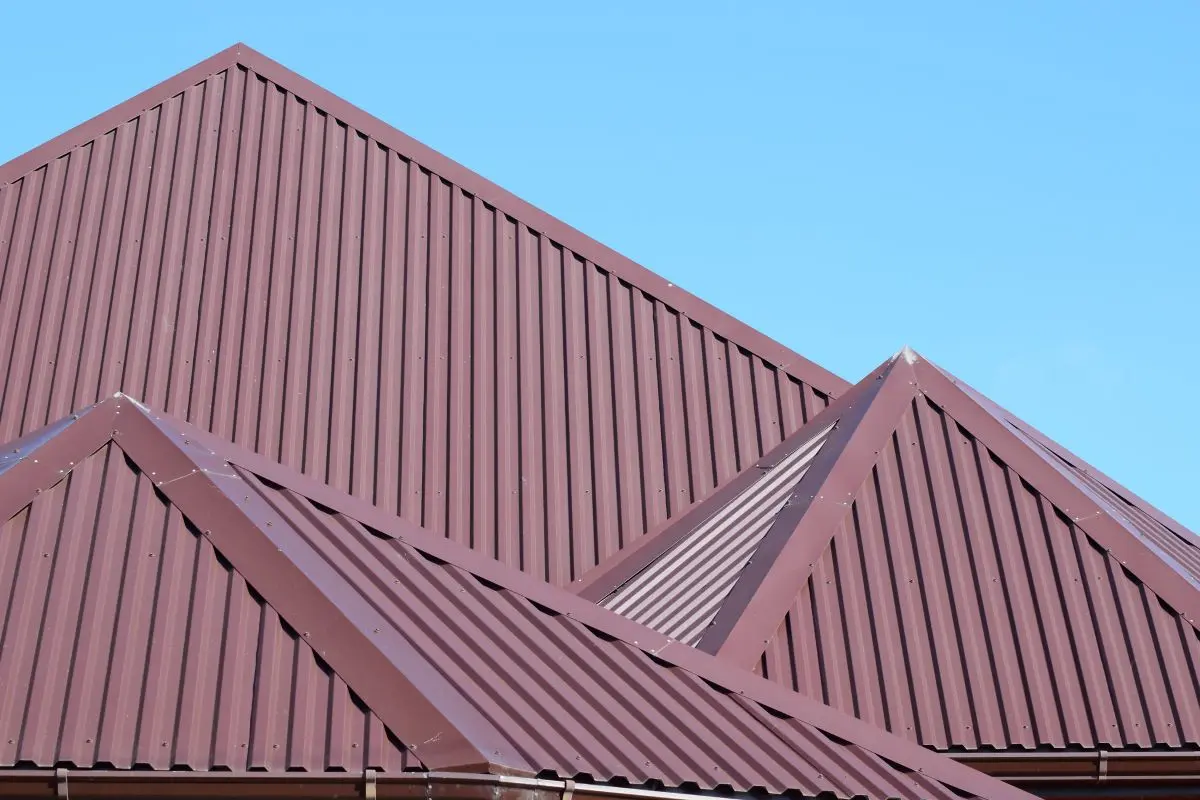
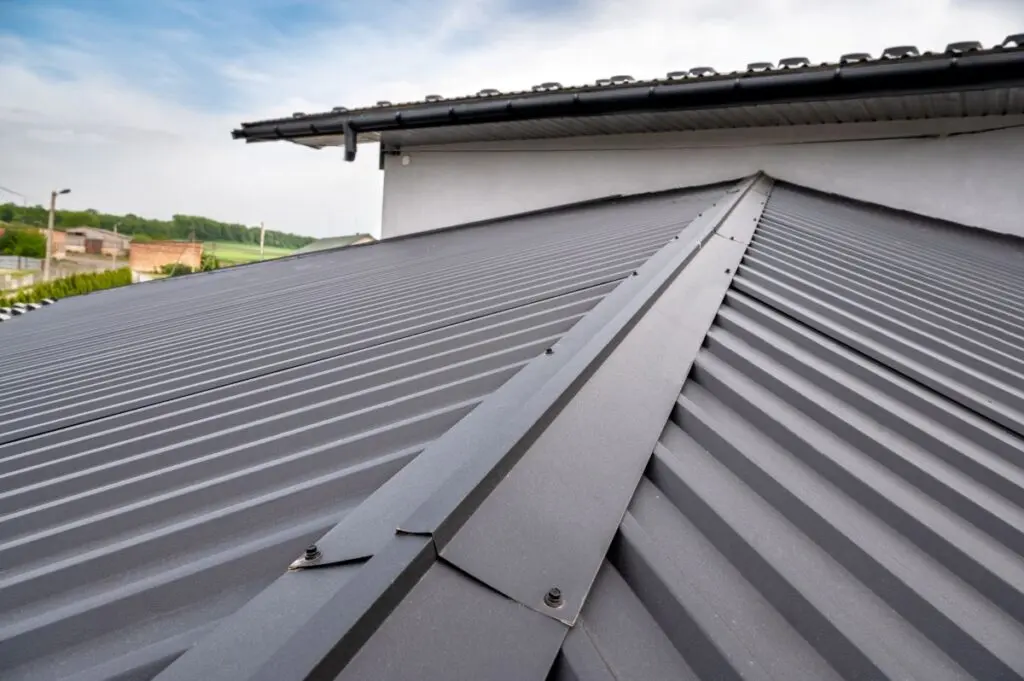
Corrugated metal roofing panels are often used on garages, barns, and residential structures. These systems use overlapping sheets and exposed fastener systems to attach the metal roofing panels to the structure. Because the fasteners penetrate the panels, most exposed fastener systems require a minimum roof pitch of about 3:12 to prevent water from reaching the fastener points.
Metal Shingle Roofing Systems
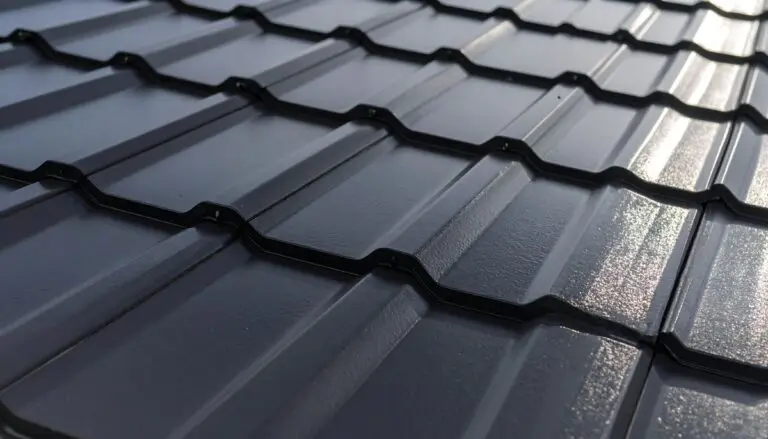
Metal shingles are designed to mimic traditional roofing materials such as asphalt shingles while providing the durability of metal. These systems typically require a moderate slope to maintain proper drainage. Most metal shingle systems require a minimum roof pitch of about 3:12 to allow water to move efficiently across the surface.
Mechanically Seamed Metal Panels
Mechanically seamed metal roofing panels are often used on commercial buildings and modern residential homes. These systems create tightly locked seams that improve water resistance and make them suitable for certain low slope metal roof applications. Some systems can perform on slopes as low as 1:12 depending on the manufacturer’s specifications.
5 Factors That Influence the Minimum Slope for a Metal Roof
While manufacturer guidelines establish the minimum metal roof slope for each system, several additional factors influence whether a roofing system will perform properly on a specific home.
- Roof design complexity: Roofs with multiple valleys, dormers, and transitions often benefit from a steeper slope to guide water safely toward drainage points.
- Panel type: Different metal roofing panels use different seam designs and fastening methods, which directly affect the slope required for proper performance.
- Local weather conditions: Homes exposed to heavy rain, snow, or high winds often perform better with a steep slope that improves water runoff.
- Underlayment and deck condition: The roof deck must be properly prepared and structurally sound to support the metal roof system and maintain proper drainage.
- Installation quality: Even if a roof meets the recommended metal roof slope, poor installation can still cause drainage issues or leaks.
Comparing Metal Roof Systems by Minimum Slope
Different types of metal roofing systems perform best at specific slopes. Choosing the right system ensures water flows efficiently across the steel roof surface.
| Metal Roofing System | Typical Minimum Slope | Key Advantage |
| Standing seam panels | 2:12 | Strong water resistance |
| Corrugated metal panels | 3:12 | Cost effective installation |
| Metal shingles | 3:12 | Traditional appearance |
| Mechanically seamed panels | 1:12 | Suitable for low slope metal roofs |
Understanding how these systems function helps homeowners choose the right metal roof for their structure.
Signs Your Roof Slope May Not Be Ideal for Metal Roofing
In some cases, homeowners consider installing a metal roof on a structure that may not meet recommended slope requirements. Recognizing potential warning signs early can help avoid installation problems.
Standing Water on the Roof
Water pooling on a roof surface often indicates the roof pitch is too low to drain properly. This issue is particularly common on flat roof or low slope metal roof designs where drainage must be carefully engineered.
Recurring Roof Leaks
Repeated leaks may indicate that water is not draining efficiently from the metal roofing panels. When the slope is insufficient, moisture may move slowly across seams and find entry points around fasteners.
Debris Accumulation in Valleys
Leaves, branches, and debris can accumulate on roofs with low slope areas. Over time, debris buildup can trap moisture and damage the roof deck beneath the metal panels.
When to Consult a Roofing Professional
Determining whether your roof pitch is appropriate for a metal roof is not always straightforward. Roofing professionals evaluate structural design, drainage paths, and panel compatibility before recommending a roofing system.
A professional inspection helps ensure the metal roofing panels will perform properly on your home. It also helps identify any structural issues with the roof deck or drainage design before installation begins.
Protect Your Roof With Embry’s Roofing
Choosing the right metal roofing system involves more than selecting materials. Proper roof pitch, professional installation, and careful planning all contribute to long term performance. At Embry’s Roofing, our team understands how metal roofing systems perform in changing weather conditions and how proper installation protects your home.
We’re proud to serve home and business owners in Newburgh, IN, and nearby communities with minimum slope for a metal roof guidance and more. Whether you are considering installing a steel roof or want to determine whether your current roof pitch is suitable for metal roofing panels, our experienced team can help evaluate your roof and recommend the best solution.
Contact Embry’s Roofing today to schedule a professional roof inspection and ensure your roofing system is built for long term durability.
CHECK OUT THE LATEST
FROM OUR BLOG