
What Is a Roof Cricket and Does Your Roof Need One?
Behind many chimneys sits a small, peaked structure that most homeowners never notice until a leak appears nearby. A roof cricket is a simple piece of roof framing that redirects water around an obstruction instead of letting it pile up behind it. Because water naturally collects on the uphill side of a chimney, a cricket can be the difference between a dry ceiling and a recurring stain. An experienced roofing team can tell you whether your home needs one. This guide explains what crickets do and how to know.
Here’s what this guide covers:
- Why a roof cricket matters for protecting your home
- 5 signs your roof may need a cricket
- How a cricket is built and what it’s made from
- How common cricket options compare
Why a Roof Cricket Matters for Your Home and How It Helps Divert Water
A chimney or other wide penetration acts like a dam on a sloped roof. Without a cricket, rain and melting snow run straight into the uphill side of the obstruction and have nowhere to go, which puts constant stress on the flashing and surrounding roofing. Over several years, that stress can turn a small weakness into a persistent leak that is hard to trace. In short, a cricket’s main job is to divert water around the chimney rather than letting it dam up.
- Diverts Water Away From Trouble Spots. The cricket splits the flow of water and sends it around both sides of the chimney, which keeps it moving toward the gutters.
- Reduces Leak Risk. The joint between a chimney and the roof is one of the most leak-prone areas, and less standing water means fewer chances for water to find a way in.
- Prevents Debris Buildup. Leaves, needles, and shingle granules collect behind chimneys, and a cricket helps them wash away instead of piling up.
- Protects Flashing and Masonry. Water that sits against flashing and brick can corrode metal and deteriorate mortar over time.
- Helps Meet Building Codes. Many codes call for a cricket behind wider chimneys, so having one can matter during inspections, sales, or insurance reviews.
Homeowners in Paducah and surrounding areas often discover the need for a cricket only after a leak near the chimney, but adding one during a roof replacement is far easier and less expensive than retrofitting it later. Asking about it during the estimate stage is a simple way to avoid that scenario.
5 Signs Your Roof May Need a Cricket
Not every roof needs a cricket, but certain conditions point toward one. Watching for these signs can help you catch the problem before it becomes expensive, and most of them can be checked from the ground or from inside the attic. If several apply to your home, it is worth having a professional take a closer look.
1. A Chimney Wider Than 30 Inches Calls for a Chimney Cricket
The most common reason for a cricket is simple size. The wider the obstruction, the more water it blocks. A narrow chimney lets water slip around it easily, while a wide one acts more like a wall. That is why a wide chimney is where a chimney cricket matters most.
- Many building codes, including widely used residential standards, call for a cricket on the uphill side of a chimney wider than 30 inches measured across the slope
- Local rules vary, so it is smart to confirm requirements with your roofer or building department
2. Water or Debris Collecting Behind the Chimney
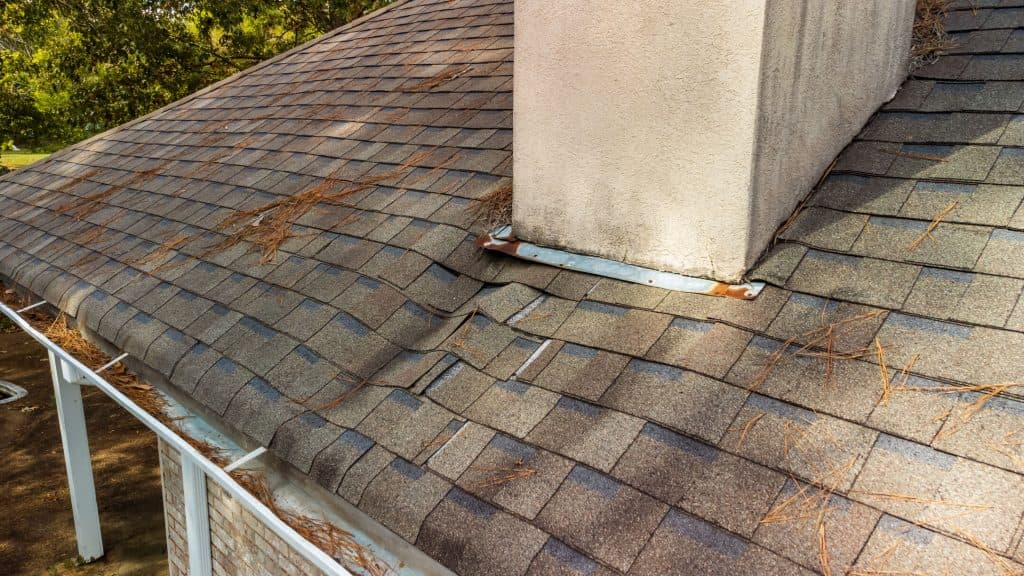
If you notice leaves, moss, or shingle granules stacked up on the uphill side of the chimney, water is probably slowing down there as well. Binoculars from the yard are often enough to spot this without climbing a ladder.
- Look for dark staining or a line of debris that follows the chimney’s uphill edge, since these marks show exactly where water has been slowing down
- Persistent moisture in this area can wear out roofing materials much faster than the rest of the roof
3. Recurring Leaks Where Roof Cricket Work Can Solve the Cause
Stains on the ceiling near a chimney or skylight are a classic sign that water is not being directed away properly. These stains often show up after heavy rain or fast snowmelt, when the volume of water is highest. When the cause is water flow, roof cricket work addresses the problem at its source.
- Repeated leaks after repairs may mean the problem is water flow, not just a failed seal, which is a common reason homeowners end up paying for the same fix twice
- A cricket can solve the root cause rather than patching the same spot again and again
4. Worn or Corroded Flashing Uphill of the Penetration
Flashing that fails early on one side of the chimney often points to excess water pressure in that spot. If the flashing on the downhill side looks fine while the uphill side is worn, that pattern is a useful clue.
- Rust, lifted edges, or cracked sealant on the uphill side are warning signs, and they are worth photographing so your roofer can see how the condition changes over time
- Replacing flashing without addressing water flow may only provide a temporary fix, because the same pressure will keep wearing on the new material
5. Ice and Snow Buildup Behind the Chimney
In winter, snow slides down the roof and stacks up against the chimney, then melts and refreezes. This cycle can continue for weeks during cold stretches, putting steady stress on the seal around the chimney.
- Repeated freezing and thawing can force water under shingles and flashing
- A cricket helps snow and meltwater move around the chimney instead of collecting behind it
How a Roof Cricket Is Built Into Your Roofing System
A cricket may look small, but it is a carefully constructed part of the roof. Understanding its parts helps you ask better questions and compare proposals more confidently, especially when two contractors describe the work in very different ways. The cricket is built into the roofing system, not added on top of it, so it must be flashed and layered together with the rest of the roof.
- Shape and Design. A cricket is a small, peaked structure, often shaped like a gable, with two sloped faces that meet in a ridge pointing up the roof.
- Framing. The structure is typically framed with lumber and covered with sheathing, which creates a solid base for roofing material.
- Underlayment and Flashing. Waterproof underlayment is applied over the framing, and metal flashing seals the cricket to the chimney and to the main roof.
- Surface Material. The cricket is usually covered with the same shingles as the roof or with metal, such as copper or galvanized steel, for added durability.
- Placement. It sits on the uphill side of the chimney, with its ridge aimed to split water toward both sides.
Homeowners in Paducah and surrounding areas who ask how the cricket will be flashed, and what material will cover it, usually end up with better-built details and fewer callbacks, since the flashing is where most leaks begin. It is a quick question that tells you a lot about how carefully a contractor plans their work.
Roof Cricket Cost and Options Compared
There is more than one way to build a cricket, and the right choice depends on your roof, your budget, and how long you plan to stay in the home. The table below compares the most common approaches, so you can see how they differ before you talk with a contractor. Roof cricket cost varies with several factors, so treat the table as a starting point.
| Cricket Type | Typical Materials | Best For | Things to Consider |
| Framed and shingled | Lumber framing with matching shingles | Asphalt shingle roofs and standard chimneys | Blends in visually, but depends on shingle and flashing quality |
| Framed and metal-clad | Lumber framing covered with copper or galvanized metal | Homes wanting maximum durability | Higher cost, longer lifespan, and strong water shedding |
| Prefabricated metal | Pre-formed metal sections | Retrofits and tighter schedules | Quick installation, but fit and sealing must be carefully checked |
Whichever type you choose, installation quality matters more than the material itself, and the details of how it connects to the chimney and the main roof are what determine long-term performance. A well-flashed cricket protects the chimney for decades, while a poorly sealed one can create new leak points. Cost depends on chimney size, roof pitch, and materials, so it is best to ask for a written estimate that spells out the framing, flashing, and surface material. That level of detail makes it easy to compare bids fairly. Homeowners in Paducah and surrounding areas often find that adding a cricket during a full roof replacement is the most economical approach, because the roof is already open and the work can be integrated with the new flashing.
Roof Cricket Installation and Choosing a Professional Roofer
Cricket installation is detailed work that blends framing, waterproofing, and flashing, so it is best handled by a professional roofer who has built them before. Ask any contractor you are considering how they frame the cricket, which underlayment and flashing they use, and whether they have photos of past installations. Clear answers to those questions are usually a good sign of careful, experienced workmanship and a result that holds up for years.
Protect Your Chimney Area on a New Roof With Trusted Roofing Contractors
Small details often make the biggest difference in how long a roof lasts, and a cricket is a perfect example of a modest feature with an outsized payoff. A modest structure behind the chimney can keep water moving, protect your flashing, and help prevent the stubborn leaks that return after every repair. Adding one when you install a new roof is the easiest time to do it.
At Embry’s Roofing, we look at chimneys, skylights, and other penetrations as part of every inspection and explain whether a cricket would help, in plain language, for homeowners across Paducah and surrounding areas. If you’ve noticed stains near your chimney or you’re planning a new roof, contact us today to schedule an inspection.
CHECK OUT THE LATEST
FROM OUR BLOG