
5 Different Types Of Roof Overhang & Their Benefits
Roof overhangs are often one of the most underestimated parts of a building’s structure. For building managers, understanding how roof overhangs work and their potential impact on a property is crucial for maintaining a safe, efficient, and aesthetically pleasing environment. In this post, we’ll discuss how strategic roof overhang choices can protect your building while boosting its longevity and value, including:
- The purpose and importance of roof overhangs
- Different types of roof overhangs and their unique benefits (with a focus on commercial roofs)
- Key considerations when designing or repairing roof overhangs
🤔 What Is a Roof Overhang?
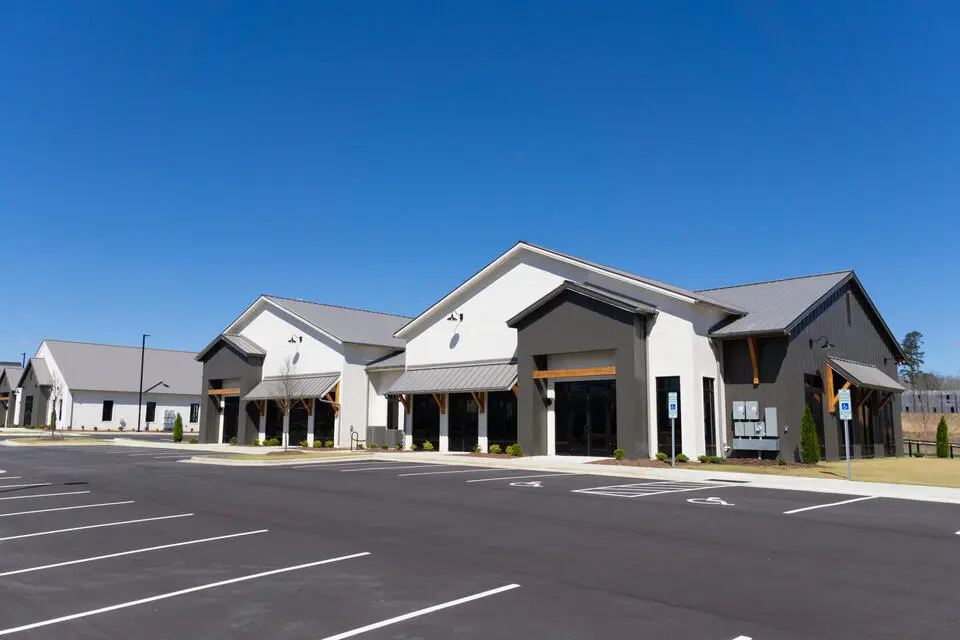
A roof overhang extends beyond the walls of a building to provide shade, protect the structure from the elements, and enhance its visual appeal. They can be found in various designs, each suited to different climates, architectural styles, and functional needs.
Whether you’re managing a small commercial property or a large-scale complex, roof overhangs help safeguard your investment by reducing weather damage, increasing energy efficiency, and contributing to the overall functionality of the building.
Why Roof Overhangs Matter
Roof overhangs provide crucial benefits for any building:
- Weather Protection: They act as a shield against rain, snow, and wind, preventing water damage to walls and windows and reducing long-term maintenance costs.
- Energy Efficiency: By shading windows and exterior walls, overhangs help lower indoor temperatures during summer and cut air-conditioning costs.
- Aesthetic Appeal: Overhangs enhance architectural design with clean lines and balanced proportions.
- Durability: They protect the building’s walls and foundation, contributing to long-term durability and extending the property’s lifespan.
With these advantages, roof overhangs are a smart addition to any structure.
👉 5 Different Types Of Roof Overhangs & Their Benefits
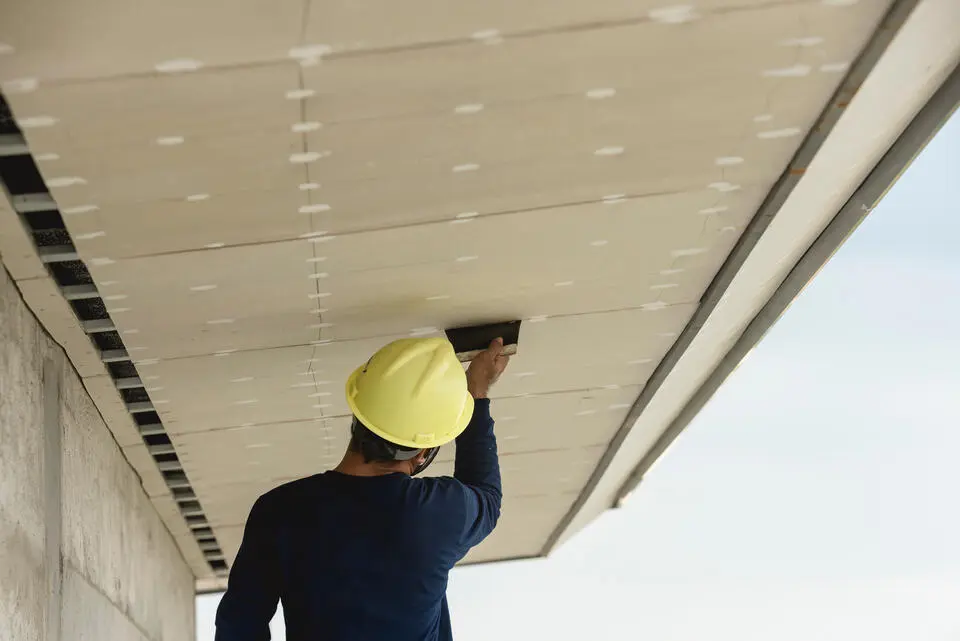
Not all roof overhangs are created equal. Each type offers distinct advantages based on the building’s architectural design and functional needs. Below is a breakdown of the various types of roof overhangs, including their specific benefits for commercial roofs.
1. Open eaves
Open eaves are a type of roof overhang where the structural elements, such as rafters and beams, are left exposed rather than being enclosed. This design can add a modern, architectural touch to your commercial property while also improving ventilation in certain climates. Open eaves are ideal for businesses looking to create a sleek aesthetic or highlight craftsmanship in their building design. However, they may require more maintenance as the exposed materials are more susceptible to weathering. When considering open eaves, ensure your property’s design and climate are well-suited for this unique style, you can consult a professional for guidance.
Benefits:
- Cost-effective due to fewer materials required
- Enhances ventilation under the roof
- Matches well with modern or industrial architectural styles
2. Closed eaves
Closed eaves are a type of roof overhang where the underside is covered, creating a clean and finished appearance. This design not only enhances the aesthetic of your commercial property but also provides added protection against pests and weather elements like wind and rain. Closed eaves are ideal for properties seeking a modern, streamlined look while maintaining functionality. They can help improve energy efficiency by reducing heat transfer and shielding the building from direct sunlight. If durability and low maintenance are priorities for your commercial property, closed eaves are a great option to consider.
Benefits:
- Provides a polished, finished look
- Prevents pests like birds or insects from nesting
- Reduces susceptibility to water infiltration
3. Boxed eaves (Ideal for commercial roofs)
Boxed eaves are a popular type of roof overhang that provides a clean, finished look to commercial properties. The overhang is enclosed with soffits and fascia, creating a boxed-in appearance that adds both style and functionality. This design not only enhances the aesthetic appeal of your building but also offers protection by directing rainwater away from the walls and foundation. Boxed eaves are a durable and practical option that can complement a variety of architectural styles, making them an excellent choice for commercial roofing projects.
Benefits:
- Offers robust protection against elements
- Complements buildings with geometric designs
- Provides space for exterior lighting installation
4. Flat soffit overhangs
Flat soffit overhangs are a practical and visually clean option for your commercial property. This type of roof overhang extends horizontally from the roofline, providing shade and protection from the elements. It creates a sleek, modern aesthetic while helping to shield windows and doors from direct sunlight, reducing energy costs. Flat soffit overhangs are also excellent for managing rainwater runoff, directing it away from the building’s walls and foundation. Durable and versatile, they’re a smart choice for businesses looking to combine functionality with a polished appearance in their parts of a roof.
Benefits:
- Easy to maintain and repair
- Adds a modern, seamless aesthetic
- Improves airflow when perforated soffit panels are used
5. Custom extended overhangs
Custom extended overhangs are a type of roof overhang designed to provide additional coverage and protection for your commercial property. These overhangs extend further than standard designs, offering enhanced shade and shelter from elements like rain, snow, and direct sunlight. They can help improve energy efficiency by reducing heat gain, protecting windows and doors, and minimizing weather-related wear and tear. Customizable to fit your building’s aesthetic and functional needs, extended overhangs are a practical and stylish solution for businesses looking to enhance their property’s durability and curb appeal.
Benefits:
- Ideal for large commercial buildings with expansive walls
- Offers significant shading for windows, improving energy efficiency
- Provides additional design flexibility for unique structures
How Roof Overhangs Work with Commercial Drainage Systems
Roof overhangs do more than provide shade and visual balance. They also work alongside gutters, downspouts, and drainage systems to manage water effectively. When properly designed, they reduce the risk of foundation damage and exterior deterioration.
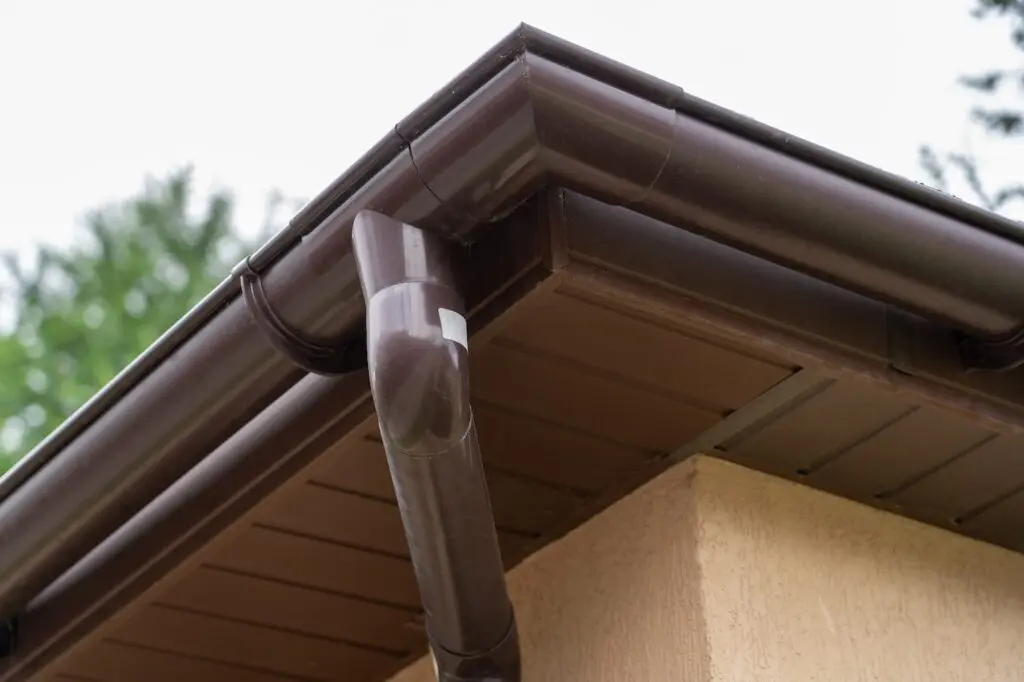
Integrating Overhangs with Gutter Systems
Overhang length directly impacts how efficiently water flows into gutters. If the extension is too short, runoff can spill behind the gutter system. If properly sized, it improves controlled drainage.
-
Proper slope alignment improves water capture
-
Fascia design supports secure gutter attachment
-
Drip edge installation prevents water from backing up
Protecting Entry Points and Walkways
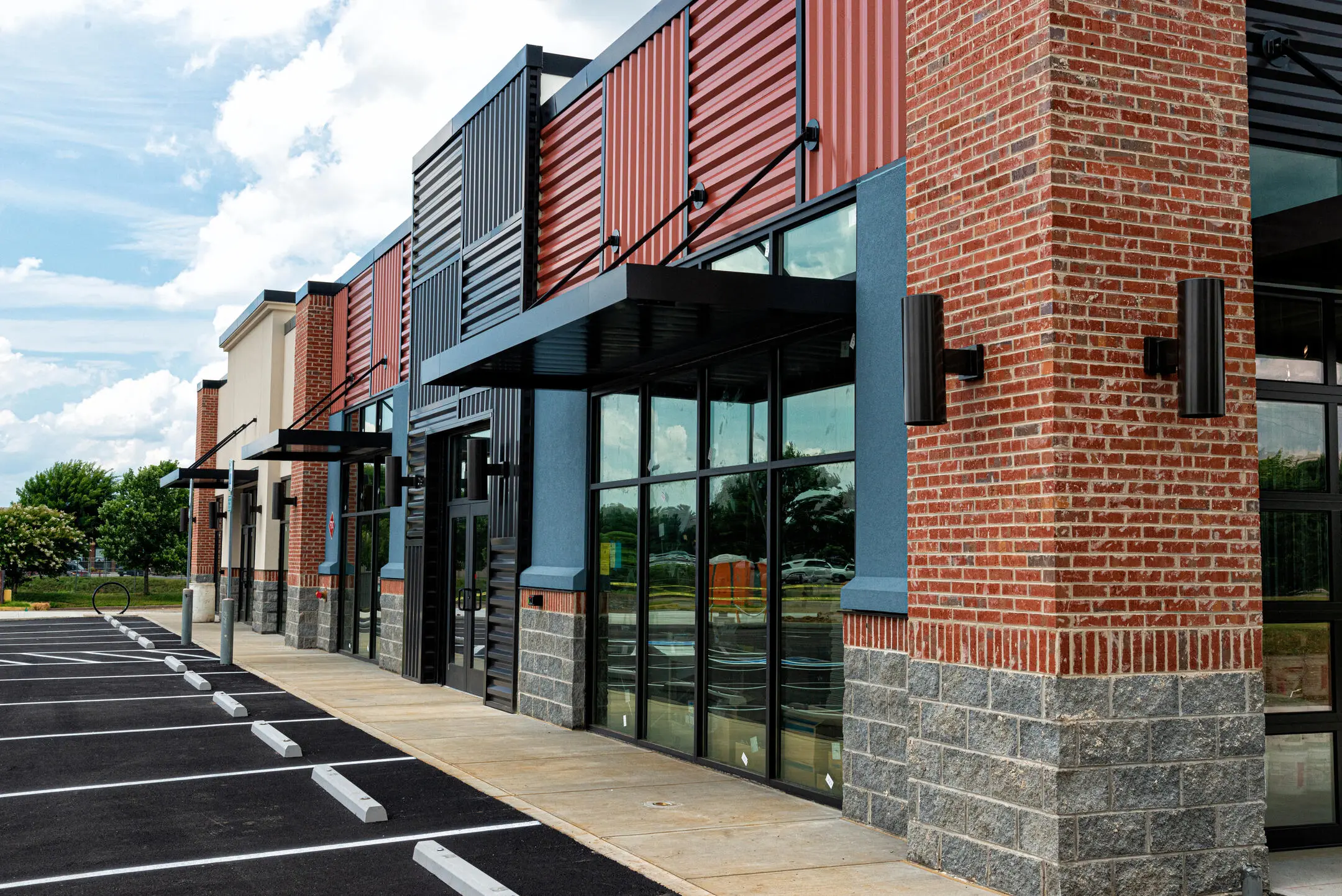
In commercial buildings, entrances and high traffic areas benefit significantly from extended overhangs. They reduce water pooling and improve safety during storms.
-
Minimizes slip hazards near entry doors
-
Protects storefront windows and frames
-
Reduces weather exposure for customers and employees
Reducing Long Term Structural Stress
Consistent water exposure can weaken building materials over time. Roof overhangs act as a first line of defense by controlling runoff before it reaches critical structural components.
-
Helps preserve foundation integrity
-
Reduces staining and facade damage
-
Extends lifespan of exterior finishes
When overhangs are properly integrated into the overall roofing and drainage plan, they contribute to long term building performance and reduced maintenance costs.
✅ Best Practices for Roof Overhang Design

When selecting or maintaining roof overhangs for your commercial building, keep these considerations in mind:
Building Climate: Evaluate the local climate’s needs. For instance, extended overhangs work best in areas with heavy rainfall or intense sunlight, while shorter overhangs are better suited for regions with less precipitation.
Material Selection: Roofing materials like aluminum or vinyl soffits are durable and require minimal maintenance, making them ideal for commercial settings.
Compatibility with Roofing Style: Ensure the overhang complements the building’s architecture and roof type. For example, open eaves pair well with gable roofs, while closed eaves look great on flat roofs.
Proper Ventilation: Adding vents to overhangs improves attic airflow and prevents condensation-related issues.
Regular Maintenance: Schedule periodic inspections to ensure overhangs are free of debris, pest infestations, or damage.
Roof Overhang Considerations for Commercial Buildings in Bowling Green, KY
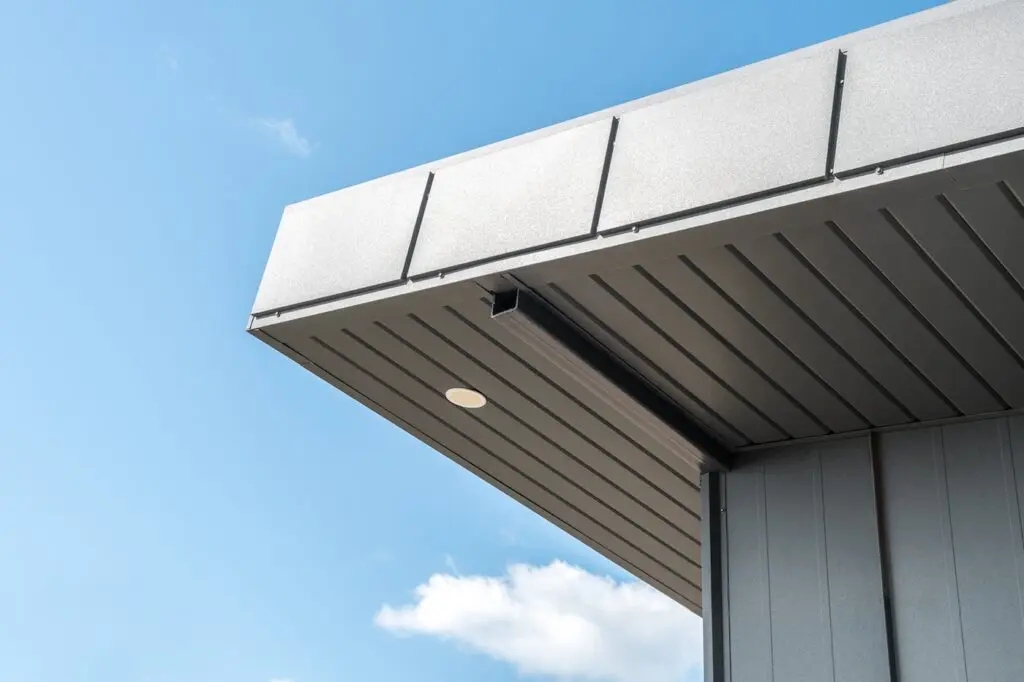
In Bowling Green, KY, commercial properties must be built to handle heavy rainfall, high humidity, and seasonal storms. Roof overhangs play a key role in protecting exterior walls, entryways, and foundations from repeated water exposure. Without properly designed overhangs, rain runoff can accelerate exterior wear and increase long term maintenance costs.
For commercial buildings in Bowling Green, well planned overhangs help:
-
Direct rainwater away from siding and masonry
-
Reduce UV exposure on storefront windows
-
Improve long term durability of exterior finishes
-
Support energy efficiency during hot Kentucky summers
We’re proud to serve business owners in Bowling Green, KY, and nearby communities with commercial roofing solutions designed for local weather conditions.
🙌 Expert Roof Overhang Solutions Built to Last
At Embry’s Roofing, we pride ourselves on being your trusted partner for all your roof overhang needs. With years of experience and expertise in the industry, our team is dedicated to providing top-quality solutions that prioritize durability, functionality, and aesthetics. We understand the importance of a well-designed and properly maintained roof overhang, and we are committed to delivering exceptional craftsmanship and attention to detail in every project we undertake. Trust us to assess your building’s unique requirements, recommend the most suitable materials and styles, and ensure seamless integration with your existing roofing system. Contact us today to schedule a consultation and experience the Embry’s Roofing difference.
CHECK OUT THE LATEST
FROM OUR BLOG