
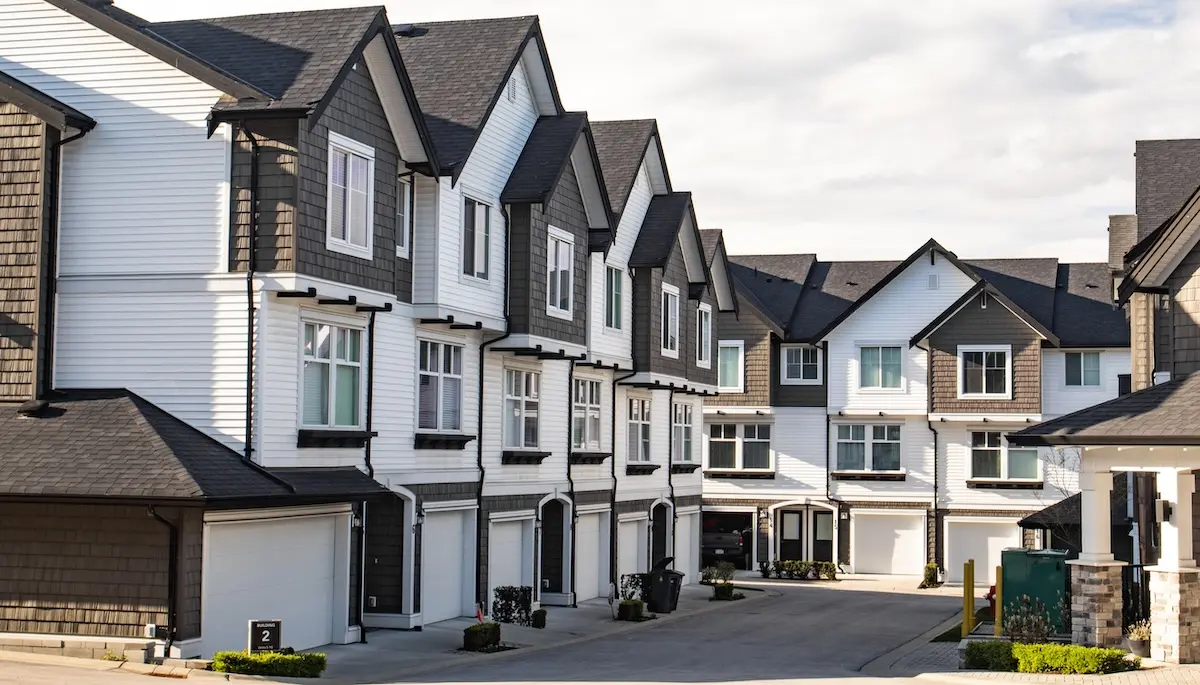
Apartment Complex Roofing (7 Best Materials & Cost Factors)
Apartment complex roofing is one of the most consequential investments a property owner makes, since the roof directly affects tenant satisfaction, building longevity, insurance costs, and long-term maintenance spend. Multifamily properties typically fall into two roof categories, flat or low-slope systems like TPO and EPDM, or pitched systems like asphalt shingles and metal, and the right choice depends on your building’s design, budget, and climate. This guide breaks down the best materials for each roof type, a maintenance schedule to protect your investment, and how roof condition affects your insurance and liability exposure.
Inside this guide:
- Why the roofing decision matters beyond curb appeal
- The 6 best roofing materials for apartment complexes, by roof type and cost
- An annual maintenance schedule and repair-versus-replace guidance
- How roof condition affects insurance premiums and tenant liability
Why Apartment Complex Roofing Decisions Matter
The roof over a multifamily property is one of the largest capital expenses a property owner will manage, and the decisions made here ripple into nearly every other part of operating the building.
- Tenant Retention. A roof that fails to keep units comfortable and leak-free is one of the fastest ways to lose tenants and damage a property’s reputation.
- Lower Operating Costs. The right material and consistent maintenance reduce emergency repair calls and extend the roof’s usable life, which protects the operating budget.
- Insurance and Liability Protection. Roof condition directly affects insurance premiums and your exposure if a leak causes property damage or a tenant injury.
- Stronger Property Value. A well-maintained, documented roofing system is a selling point during refinancing or a sale, not just a maintenance line item.
- Fewer Disruptive Repairs. Choosing the right system upfront and following a maintenance schedule means fewer surprise repairs that disrupt tenants and drain the budget.
7 Best Roofing Materials for Apartment Complexes
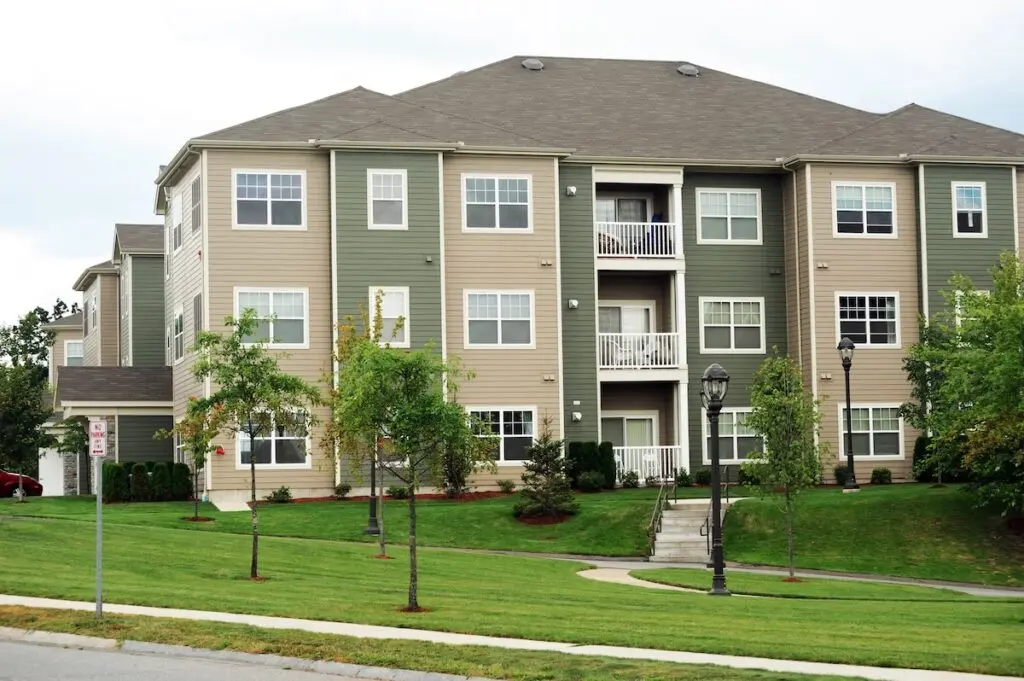
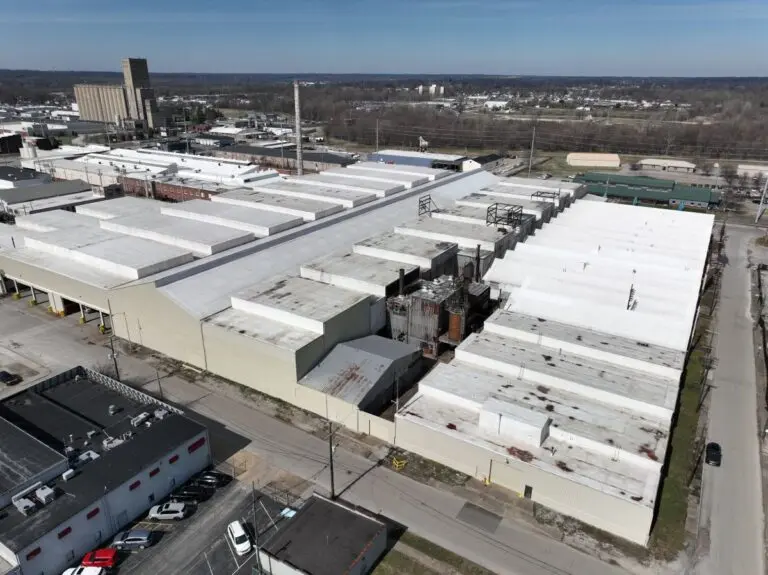
Apartment complexes are built with two main roof profiles, and the best material depends on which one your property has. Flat and low-slope roofs dominate larger complexes and require membrane systems designed for standing water and foot traffic, while pitched roofs on townhome-style buildings or smaller complexes use shingle or metal systems designed to shed water quickly.
1. TPO (Flat/Low-Slope)
TPO, or thermoplastic polyolefin, is one of the most widely used membranes for flat apartment roofs because it balances cost, energy efficiency, and durability.
- Cost range: roughly $6 to $9 per square foot installed
- Lifespan: 20 to 25 years with proper maintenance
- Best for: properties looking to reduce cooling costs through a reflective surface
2. EPDM (Flat/Low-Slope)
EPDM is a synthetic rubber membrane that has one of the longest track records of any flat roofing material used on multifamily properties.
- Cost range: roughly $5 to $8 per square foot installed
- Lifespan: 20 to 30 years
- Best for: budget-conscious owners who want a proven, low-maintenance system
3. PVC (Flat/Low-Slope)
PVC membranes cost more upfront than TPO or EPDM but offer strong chemical and grease resistance, which matters for properties near dumpsters, parking structures, or commercial kitchens on site.
- Cost range: roughly $7 to $11 per square foot installed
- Lifespan: 20 to 30 years
- Best for: urban properties with higher exposure to chemicals, grease, or heavy foot traffic
4. Built-Up and Modified Bitumen (Flat/Low-Slope)
These traditional multi-layer systems remain common on older apartment complexes and large flat roofs where upfront cost matters more than the newest membrane technology.
- Cost range: roughly $5 to $10 per square foot installed
- Lifespan: 15 to 30 years, depending on the number of layers and installation method
- Best for: large-scale properties prioritizing proven performance and cost efficiency
Our full breakdown of flat and low-slope roofing systems goes deeper into how these membrane options compare over their full lifespan.
5. Asphalt Shingles (Pitched)
Asphalt shingles remain the most common material for pitched-roof apartment buildings and townhome-style complexes, largely due to lower upfront cost and widespread contractor familiarity.
- Cost range: roughly $4 to $7 per square foot installed
- Lifespan: 20 to 30 years, depending on shingle grade
- Best for: pitched multifamily buildings where budget and fast installation matter most
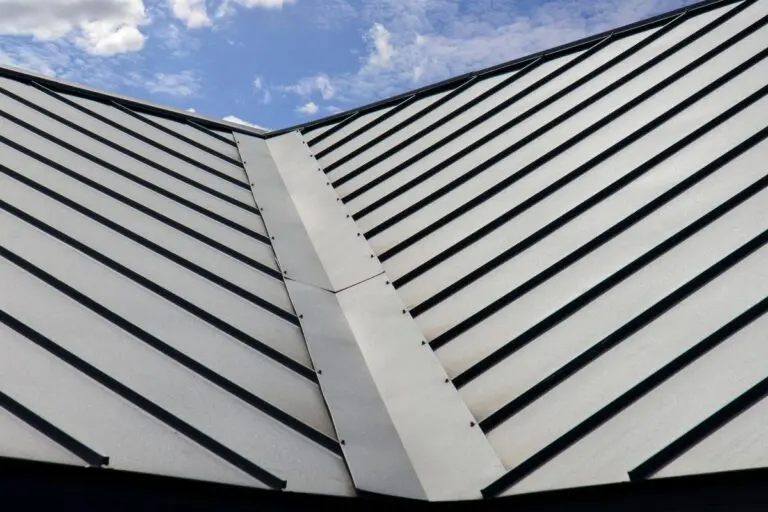
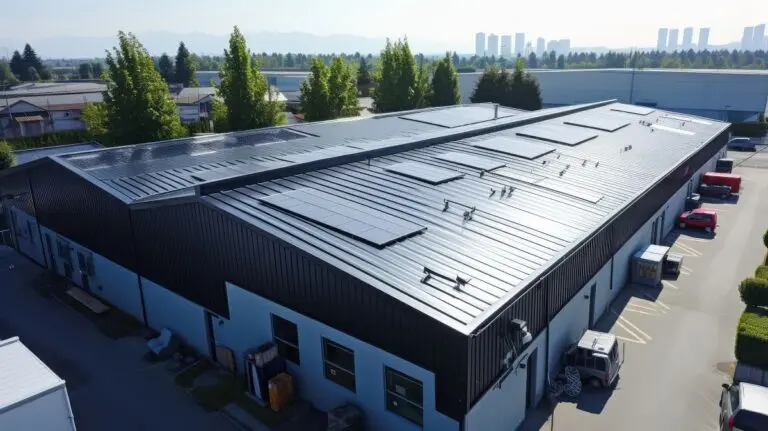
6. Metal Roofing (Pitched)
Metal roofing has become increasingly popular on pitched multifamily buildings for its lifespan and lower long-term maintenance needs, despite a higher upfront investment.
- Cost range: roughly $9 to $14 per square foot installed
- Lifespan: 40 to 60 years
- Best for: owners planning to hold the property long-term who want to minimize future roof replacement cycles
For a closer look at how metal systems compare when it’s time to replace an aging roof, see our guide to commercial metal roof replacement.
7. Clay and Concrete Tile (Pitched)
Tile roofing shows up most often on apartment complexes in warmer climates, particularly properties built in a Spanish or Mediterranean architectural style, where its appearance and heat resistance are as much a draw as its durability.
- Cost range: roughly $10 to $18 per square foot installed
- Lifespan: 40 to 50 years, and often longer with proper maintenance
- Best for: properties in hot climates prioritizing longevity and architectural style over upfront cost, provided the structure can support the added weight
Apartment Complex Roof Maintenance Schedule
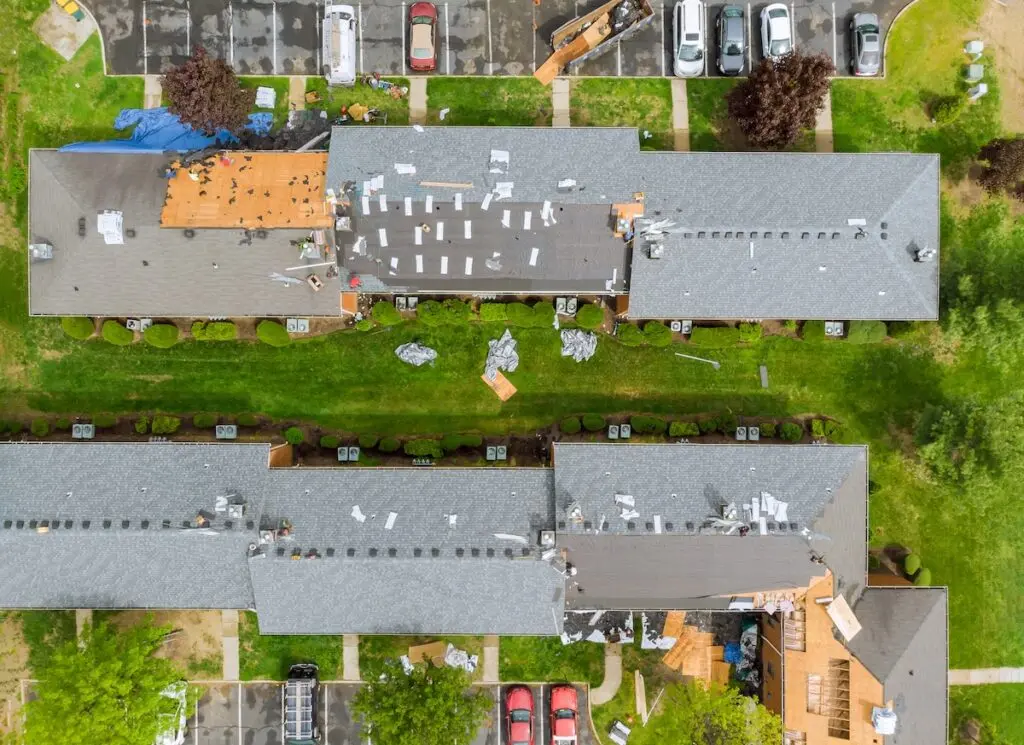
A roofing system is only as good as the maintenance behind it. Multifamily properties benefit from a consistent annual schedule, since catching small issues early is far less expensive than an emergency repair or premature replacement.
Annual Inspection Checklist
- Inspect for ponding water on flat and low-slope sections, especially near drains and low points
- Check membrane seams, flashing, and roof penetrations for separation or cracking
- Clear debris from drains, gutters, and scuppers to prevent backups
- Examine pitched roof sections for missing, curling, or damaged shingles, or loose metal panels and fasteners
- Review interior ceilings and top-floor units for water stains or signs of a slow leak
- Document findings with photos and dates to build a maintenance history for insurance and resale purposes
Common Failure Points by Roof Age
- Years 0 to 10: issues are typically limited to flashing, sealant, or installation defects rather than the membrane or material itself
- Years 10 to 20: seams begin to age, granule loss becomes visible on shingles, and drainage issues from ponding water start to show up
- Years 20 and beyond: widespread membrane brittleness, shingle deterioration, or metal fastener failure become common, and repairs increasingly treat symptoms rather than the underlying cause.
When to Repair vs Replace
A repair makes sense when damage is isolated, the roof is under 15 years old, and the rest of the system is performing well. Replacement becomes the better investment when leaks recur in multiple areas, the roof is approaching or past its expected lifespan, or repair costs over the past year or two are approaching what a full replacement would cost. Tracking repair costs over time is one of the clearest ways to know when a property has crossed that line.
How Roof Condition Affects Insurance and Liability
Roof condition is not just a maintenance issue. It has a direct effect on insurance costs and legal exposure, which is an angle many property owners overlook until a claim or a lawsuit forces the issue.
- Insurance premiums: insurers frequently request roof age and condition reports before issuing or renewing a policy, and an aging or poorly maintained roof can lead to higher premiums or coverage exclusions for water damage.
- Claim denials: insurers can deny a water damage claim if they determine the loss resulted from deferred maintenance rather than a sudden, unavoidable event, which makes documented inspections a financial safeguard, not just good practice.
- Tenant liability: a leaking roof that leads to mold, ceiling damage, or a slip-and-fall from water pooling in common areas can expose the property owner to tenant liability claims beyond the cost of the repair itself.
- Documentation matters: a consistent inspection and maintenance record demonstrates due diligence, which strengthens your position both when filing a claim and when defending against a liability claim from a tenant.
Treating roof maintenance as part of your risk management strategy, not just a facilities line item, protects the property from both sudden repair costs and the larger financial exposure that comes with an insurance dispute or tenant claim.
Unique Challenges of Apartment Complex Roofing
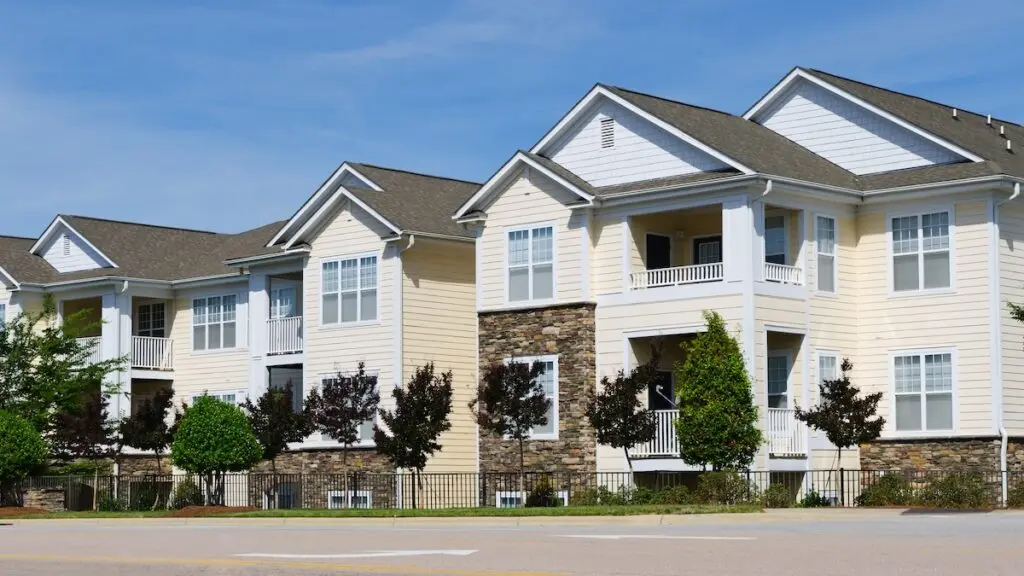
Apartment complexes come with roofing challenges that single-family homes simply don’t have to account for.
Scale and Complexity
Large, flat roof areas require specialized installation methods and precise drainage design. Poorly designed drainage leads to ponding water, which accelerates wear and increases leak risk far faster than on a typical residential roof.
Tenant Impact
Roofing work at an occupied property can disrupt residents through noise, debris, and restricted access if it isn’t managed carefully. Clear communication about timelines and safety measures, combined with a contractor experienced in occupied multifamily projects, keeps the process smoother for everyone on site.
Why Professional Installation and Maintenance Matter
The best roofing material only performs as well as its installation and upkeep. A poorly installed roof leads to leaks, higher long-term maintenance costs, and the insurance and liability exposure outlined above, regardless of which material was chosen.
Experienced commercial roofing contractors plan around tenant schedules, follow proper safety protocols, and ensure the finished roof meets local building codes, which protects property owners from both maintenance headaches and liability risk down the road.
Ready to Protect Your Investment?
Your roofing system affects tenant satisfaction, operating costs, and your property’s insurance and liability exposure, all at once. Whether your building calls for TPO, EPDM, PVC, built-up roofing, asphalt shingles, or metal, choosing the right material and staying ahead of maintenance is what protects the investment over the long run.
At Embry’s Roofing, we specialize in apartment complex roofing across Evansville and the surrounding areas, helping property owners choose the right system and keep it maintained for the long haul. Contact Embry’s Roofing today to schedule an inspection and get a clear recommendation for your property.
CHECK OUT THE LATEST
FROM OUR BLOG