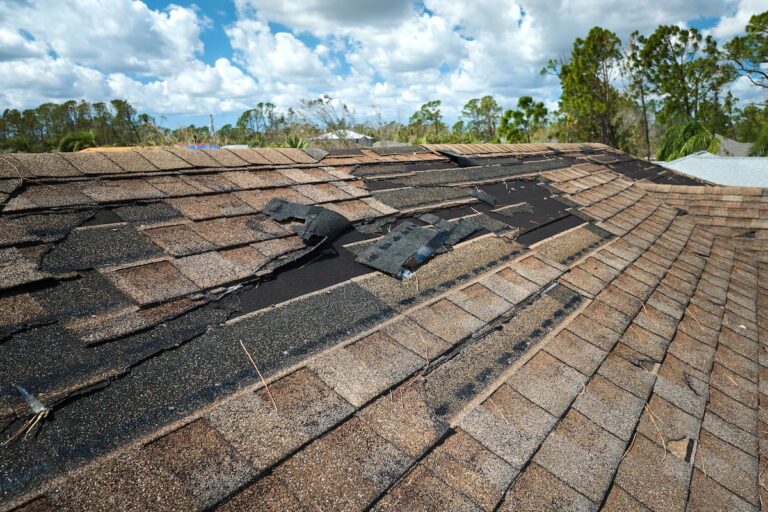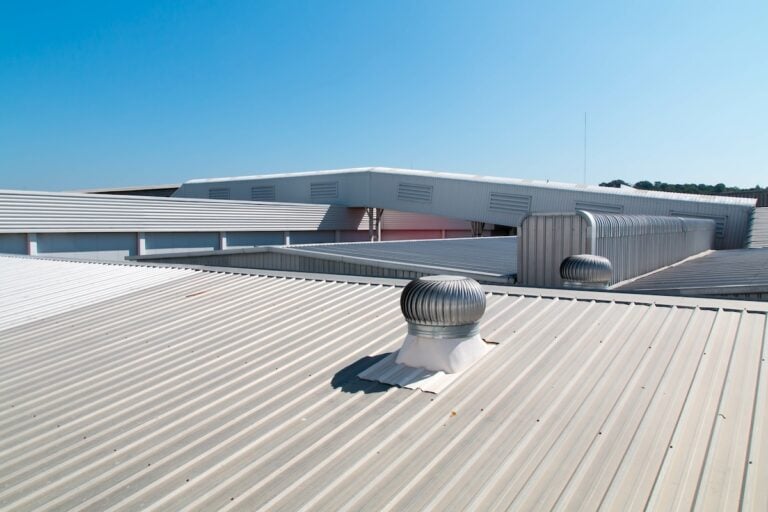



Can Hail Damage A TPO Roof (6 Things What You Need To Know)
Can hail damage a TPO roof? Yes, though TPO handles hail better than asphalt shingles in most conditions. The real risks begin when hailstones exceed one inch in diameter. At that size, TPO membranes — particularly 45-mil systems or those with several years of UV exposure — are vulnerable to punctures, surface cracking, and seam separation that is not always visible to the untrained eye. The membrane may look intact from a distance while allowing water to infiltrate beneath. One bad storm can mean the difference between a $500 patch and a $40,000 membrane replacement if the damage goes undetected.
- Flat roofs are more exposed: Hail hits flat surfaces with full force, making impact damage more likely than on sloped roofs.
- TPO membranes vary in thickness: Systems range from 45 mil to 80+ mil. Thinner products are significantly more vulnerable to puncture from hail above 1 inch.
- Timely inspections prevent bigger problems: Spotting small damage early can save thousands in structural repairs and interior water damage.
This guide walks you through the signs of hail damage, how to distinguish it from normal wear, what is claimable through insurance, and how to repair or replace a TPO roof after a storm.
How Hail Affects TPO Roofing Systems
TPO (thermoplastic polyolefin) is a popular single-ply membrane used in commercial and industrial roofing. It is known for its energy efficiency, affordability, and ease of installation. However, like all roofing materials, it has limits under severe weather conditions — and the Tri-State area’s storm season tests those limits regularly.
Vulnerabilities of TPO in Hailstorms
TPO membranes are especially vulnerable to punctures from large hailstones. The surface may appear intact, but hail can compress insulation underneath or create micro-fractures in the membrane that widen over time with thermal cycling.
- Direct impact risk: Flat roofs take the brunt of hail directly, rather than at an angle like sloped roofs, concentrating impact force on a smaller surface area.
- Age and UV exposure: Older TPO roofs lose plasticizers over time and become more brittle, making them more susceptible to cracking or tearing under impact.
- Thin membranes: TPO comes in thicknesses from 45 mil to 80+ mil. A 45-mil membrane on a 10-year-old roof has a fundamentally different hail tolerance than a fresh 80-mil installation.
Signs of Hail Damage on a TPO Roof
- Puncture marks: Small holes or dents where hail has broken through the top layer, often surrounded by a slight membrane depression.
- Membrane discoloration: Scuffing or burnishing on the white surface indicates direct hits — the impact removes the surface texture and leaves a shiny or gray mark.
- Crushed insulation: Soft spots under the membrane show where hail compressed the underlying foam board without puncturing the membrane itself.
- Loose seams or flashings: Impact can stress seams, particularly at T-joints and termination bars, causing partial separation that is not visible until water enters.
Hail Damage vs. Normal Wear: How to Tell the Difference
This is where inspectors and property managers most often need expert guidance. TPO shows natural aging signs that can look like storm damage — and vice versa. Misidentifying wear as storm damage leads to denied claims. Misidentifying storm damage as wear leads to unaddressed structural risk. Here is how to distinguish them.
What Hail Damage Looks Like
Hail impact on TPO leaves specific, identifiable patterns. The key diagnostic indicators are:
- Circular or oval impact marks with a consistent size pattern across the roof surface — if hailstones were all approximately 1 inch, the impact marks will be approximately uniform in diameter.
- Concentrated damage at rooftop equipment: HVAC curbs, pipe boots, and parapet caps made of softer metals will show corresponding dents that confirm the hail event affected the roof surface.
- Multiple damage points in a random but spread pattern: Storm damage distributes across the full roof plane. A single puncture with no pattern around it is more likely a mechanical puncture from foot traffic or equipment.
- Seam stress at T-joints specifically: Hail impact transfers stress to seam junctions. Separating seams immediately after a storm that were previously intact is a strong hail indicator.
- Corroborating evidence: Dented HVAC housing, marked metal flashings, and dented gutters or downspouts all confirm a qualifying hail event occurred.
What Normal Wear Looks Like
- Chalking or surface oxidation: A powdery white residue on the membrane surface that wipes away is UV degradation, not impact damage.
- Seam separation from thermal cycling: Seams that separate gradually over multiple seasons, particularly on older systems, reflect adhesive failure rather than impact stress.
- Shrinkage cracks at edges and terminations: TPO shrinks slightly over its lifespan. Cracks at the perimeter or around penetrations without corresponding field damage are typically wear-related.
- Ponding stains: Dark rings or discoloration from standing water are a drainage issue, not storm damage.
- Isolated punctures near traffic paths: Single penetrations near roof hatches, ladders, or HVAC service routes are far more likely mechanical than hail-related.
The Diagnostic Table
| Indicator | Hail Damage | Normal Wear |
| Impact mark pattern | Circular, consistent diameter, spread across roof | Random, isolated, near traffic or equipment |
| Metal component correlation | Dented HVAC, flashings, gutters | No corresponding metal damage |
| Seam stress location | T-joints and terminations, post-storm | Perimeter edges, gradual over seasons |
| Surface texture | Burnished/shiny marks on white surface | Chalking, discoloration, oxidation |
| Insulation compression | Soft spots across field | Isolated, near penetrations |
When Is TPO Hail Damage Claimable vs. Considered Wear and Tear?
This distinction is the most commercially important question a property manager or building owner faces after a storm. Understanding how insurers evaluate TPO claims positions you to document the right evidence and avoid unnecessary denials. For a full walkthrough of the claims process, see our guide to commercial roof hail damage claims.
What Is Typically Claimable
Most standard commercial property insurance policies cover hail damage to TPO roofing when the following conditions are met:
- Hail size is documented: Weather reports showing hailstones at or above 1 inch are the standard threshold for most commercial policies. Anything below that is frequently classified as cosmetic and excluded under cosmetic damage riders.
- Functional damage is present: Punctures that compromise the membrane’s waterproofing ability, seam separations that allow water infiltration, and crushed insulation that reduces the roof’s thermal performance are functional damage and typically covered.
- The damage is attributable to the storm event: Pre-storm inspection records that document the membrane’s prior condition help establish that the damage did not predate the storm.
- A professional inspection report supports the claim: An adjuster’s assessment alone is not always sufficient. A HAAG certified commercial inspector’s documented findings carry significant weight in claim reviews. Our guide to roof inspection for insurance explains what that documentation should include.
What Is Typically Excluded
- Cosmetic damage only: Surface burnishing, scuffing, or discoloration that does not affect waterproofing integrity is commonly excluded under cosmetic damage clauses in commercial policies.
- Pre-existing deterioration: If the membrane was already compromised by UV degradation, seam failure, or delamination before the storm, the insurer may attribute the damage to maintenance failure rather than the hail event.
- Wear and tear: Any damage attributable to normal aging — shrinkage cracks, gradual seam adhesive failure, surface oxidation — is not a covered loss under standard commercial policies.
- Thin membrane limitations: Some policies include language that limits payouts when the installed membrane gauge is below a specified threshold. Review your policy for membrane specification requirements.
How to Strengthen a TPO Hail Claim
- Get a HAAG certified commercial inspector on site before the insurance adjuster visits.
- Pull pre-storm inspection records to establish a documented baseline condition.
- Photograph all corroborating metal damage — HVAC units, flashings, gutters — as independent evidence of the hail event.
- Reference the NOAA or local weather service storm report for documented hail size at your location.
- Request a supplemental estimate if the adjuster’s scope misses damage that your contractor identified.
6 Step Guide to Inspect and Repair Hail-Damaged TPO Roofing
After a hailstorm, quick action can prevent minor damage from becoming a major repair.
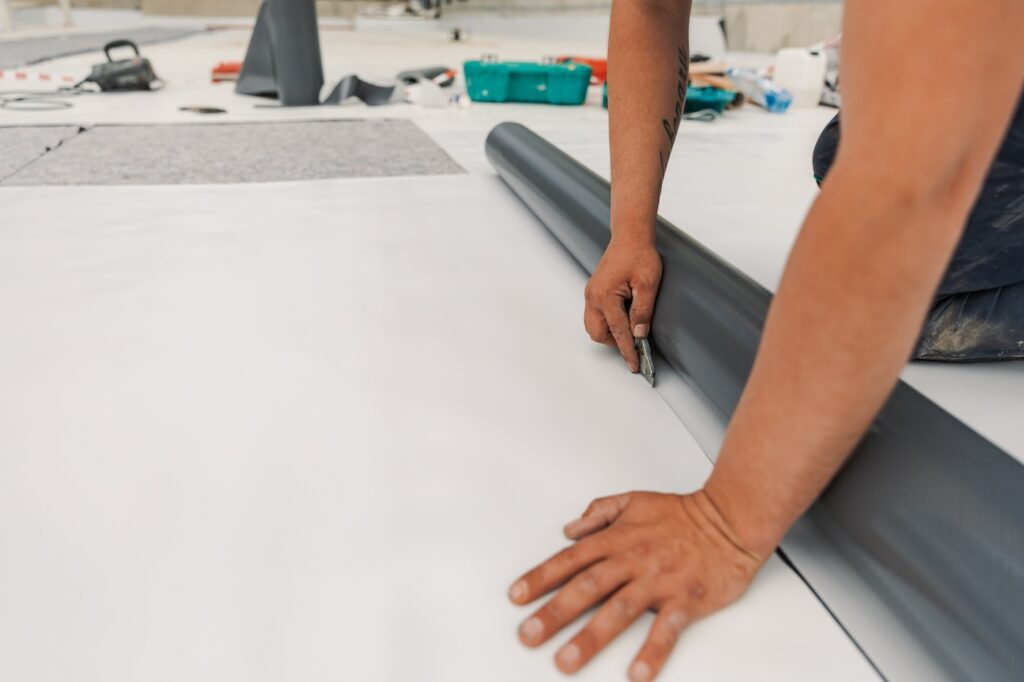
1. Perform a Visual Roof Walk
Start with a basic visual check as soon as it is safe to access the roof. Look for debris covering potential damage, scan for impact points and crushed insulation under the membrane, and use chalk to mark suspicious areas for documentation and repair planning.
2. Examine Rooftop Equipment and Accessories
HVAC units, skylights, and pipe boots are prime targets for hail damage and provide corroborating evidence for insurance. Check metal flashing and curbs for denting, inspect unit housings and fan covers for impact, and note any pooling near equipment that may indicate membrane breaches.
3. Document the Damage for Insurance
Photograph all impact marks with close-ups and wide-angle shots, record the date and time of the storm against weather service reports, and save all inspection reports and receipts. Strong documentation from the outset is the most effective way to protect a commercial storm damage claim.
4. Call a Commercial Roofing Specialist
Do not rely on a general contractor to assess TPO damage. A commercial membrane specialist can use infrared scanning and core sampling to detect trapped moisture under the membrane that visual inspection will miss, and can provide the documented findings that carry weight with insurance adjusters.
5. Repair or Patch the Affected Areas
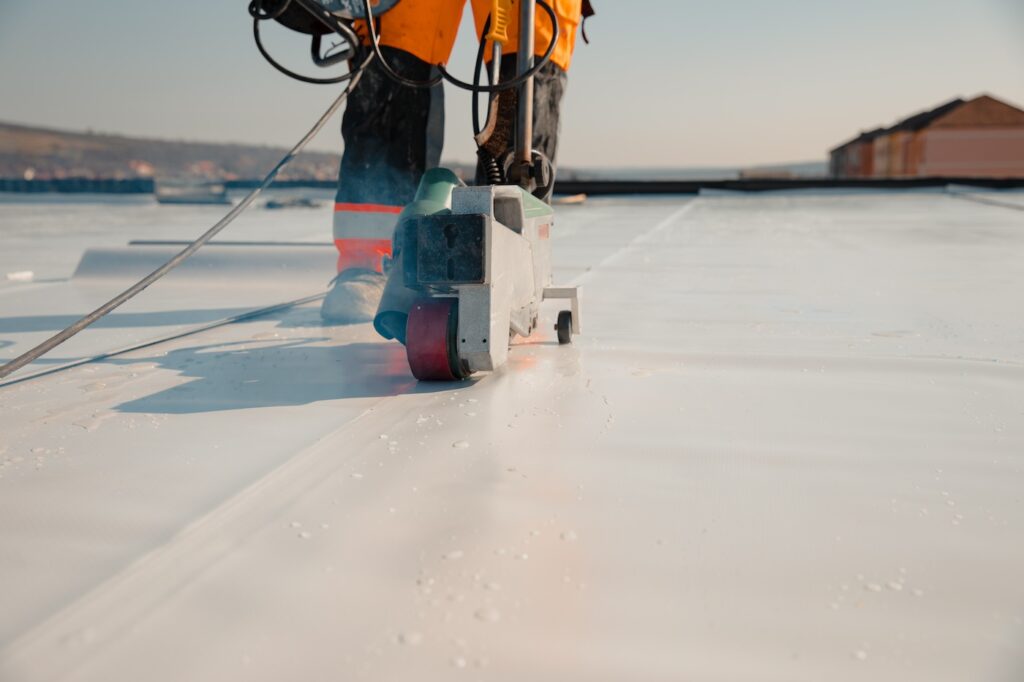
If the damage is isolated and the rest of the system is in good condition, repairs are often viable. Heat-welded TPO patches seal punctures watertight. Torn or dented metal flashings can be resealed or replaced. Crushed insulation beneath the membrane may require removing and replacing the foam board before patching.
6. Schedule Ongoing Inspections and Maintenance
Schedule biannual inspections in spring and fall, plus a post-storm assessment after any significant weather event. For roofs where hail is a recurring threat, upgrading to a thicker membrane or adding protective overlayment at vulnerable areas can reduce future damage risk significantly.
Why TPO Remains a Smart Choice — Even in Hail-Prone Areas
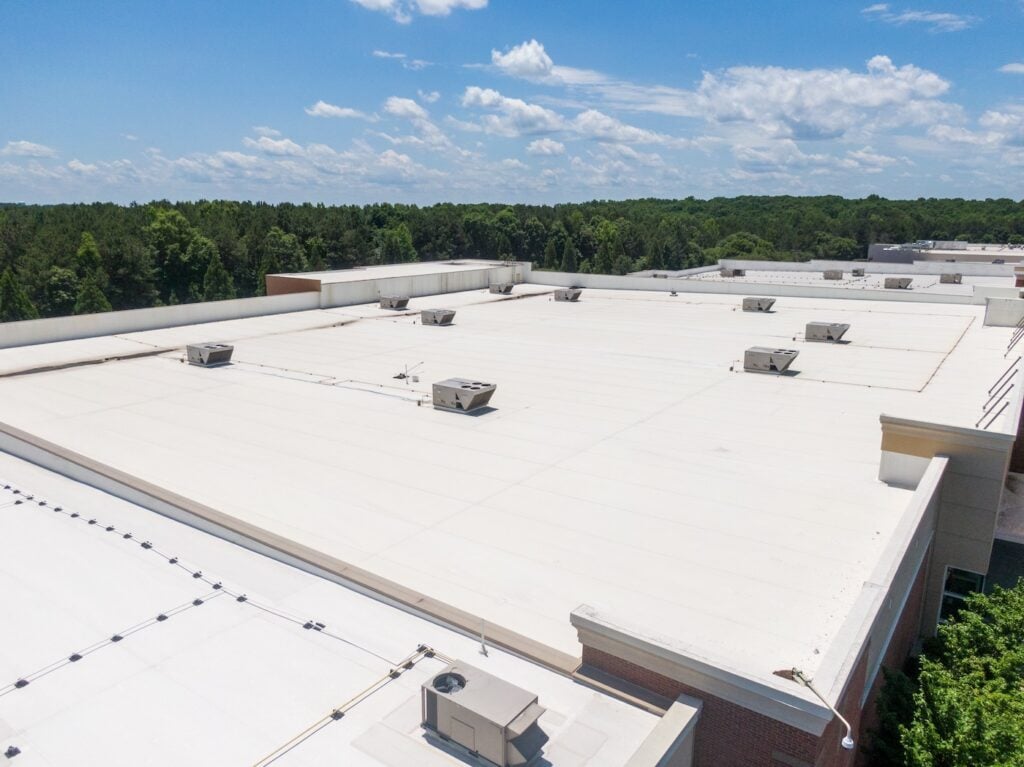
Despite its vulnerabilities above the 1-inch hail threshold, TPO remains one of the most cost-effective and durable choices for commercial flat roofing. With proper installation, appropriate membrane gauge selection, and proactive maintenance, it delivers strong long-term performance.
- Energy efficiency: The reflective white surface reduces cooling loads for warehouses and industrial facilities.
- Ease of repair: Most hail damage can be addressed with patches rather than full replacement, keeping repair costs manageable.
- Upgrade compatibility: Additional insulation, protective walkway pads, or higher-gauge membrane at vulnerable areas can materially improve hail resistance on an existing system.
Property managers who stay proactive about inspections and address damage quickly typically get the longest service life from their TPO systems — and face fewer claim complications when severe storms do hit.
Call Embry’s for TPO Hail Damage Inspection and Repair
Can hail damage a TPO roof? Yes — but with the right inspection steps and fast action, that damage does not have to result in costly interior repairs or operational downtime. Whether you manage a warehouse, retail building, or multi-tenant facility in the Tri-State area, Embry’s Roofing has the tools and credentials to handle every stage of your commercial storm response.
We’re proud to serve businesses in Evansville and communities like Paducah, KY, with commercial roofing inspections, storm damage assessments, and full membrane repair and replacement. Our team includes HAAG certified commercial inspectors and GAF Master Contractors certified in Mule-Hide and Duro-Last systems — the documentation and expertise your claim and your building require. Contact Embry’s Roofing today for a free commercial roof inspection and get ahead of the damage before the next storm season arrives.
CHECK OUT THE LATEST
FROM OUR BLOG