

What Size Hail Will Damage A Roof (6 Key Thresholds)
When a storm rolls through, the first question on many property owners’ minds is: what size hail will damage a roof? The short answer: hail at or above 1 inch in diameter is the standard threshold for functional damage to most asphalt shingle roofs and single-ply commercial membranes. Below that, you are typically looking at cosmetic wear that may not support an insurance claim. Above 1.5 inches, metal roofs begin sustaining structural dents and TPO membranes become vulnerable to puncture. Knowing where your roof material sits on that scale is often the difference between a valid claim and an out-of-pocket repair.
Hail damage is one of the most costly weather-related roofing issues in the U.S. Here is what you need to know:
- Material matters: Hail affects different roofing materials in different ways, and the threshold varies significantly between asphalt, metal, and commercial membranes.
- Size and speed of hail: The bigger and faster the hail, the more severe the damage — but density and wind angle also play a role.
- Roof pitch and age: Flat and older roofs are more vulnerable, and cumulative storm exposure accelerates deterioration even when no single event causes obvious damage.
Hail Size vs. Roof Material: The Reference Table
Use this table to cross-reference the estimated hail size from weather reports with your roof material.
| Hail Size | Asphalt Shingles | Metal Roof | TPO / EPDM (Flat) | Modified Bitumen |
| ¾ inch (penny) | Granule loss, minor surface wear | No structural damage | Surface scuffing on aged membranes | Minor granule displacement |
| 1 inch (quarter) | Bruising, fiberglass mat cracking, functional damage begins | Minor denting possible | Puncture risk on 45-mil or aged systems | Surface fractures possible |
| 1.5 inches (walnut) | Significant cracking, high claim likelihood | Denting on panels and flashings | Clear puncture risk, seam stress | Membrane bruising, possible cracking |
| 2+ inches (golf ball+) | Full replacement often required | Structural denting, coating damage | High puncture probability, seam separation | Significant membrane damage, granule stripping |
The 1-inch threshold is widely recognized in the insurance industry as the point at which functional damage becomes probable on standard roofing materials. Most adjusters require documented hail at or above this size to approve a non-cosmetic claim.
How Hail Size Impacts Roof Damage
Hail is measured in diameter and compared to familiar objects. Here is how each size range affects your roof:

- Pea-sized (¼ inch): Typically will not cause structural damage but wears down shingle granules over repeated events.
- Marble-sized (½ inch): May dent soft roofing materials or thin metal flashings.
- Quarter-sized (1 inch): The tipping point for potential functional damage to most asphalt and single-ply membranes.
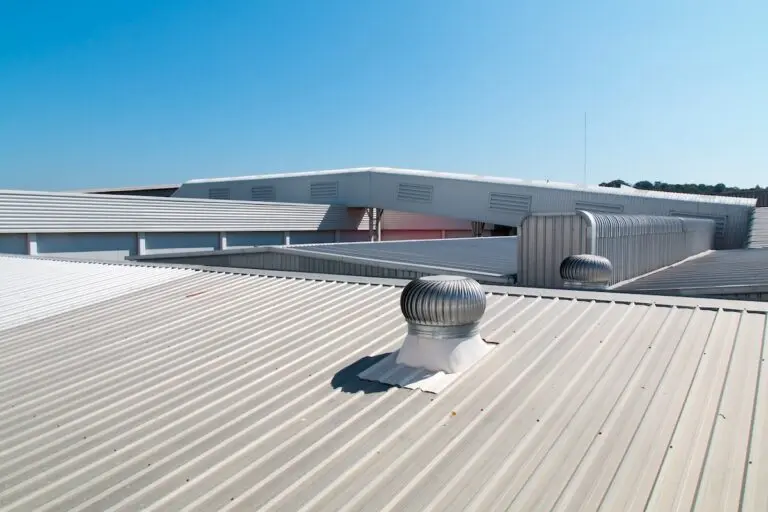
- Golf ball-sized (1.75 inches): Large enough to puncture TPO roofing and dent metal panels, particularly at rooftop equipment.
- Baseball-sized (2.75 inches+): Can shatter skylights, crack roof decks, and tear membranes regardless of material.
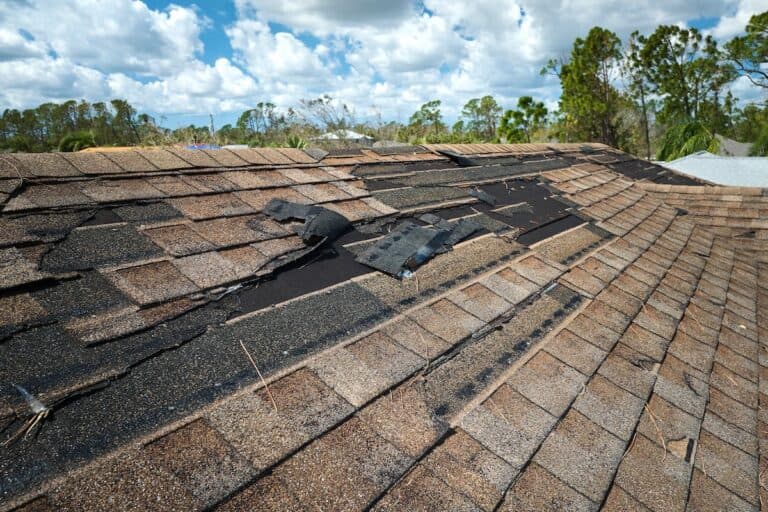
For specific visual indicators by material, see our guide on what hail damage looks like on a roof.
Residential vs. Commercial Roofs: Different Risks
Sloped residential roofs help hailstones glance off at an angle, but damage still occurs with large enough hail — granule loss, fiberglass mat cracking, and flashing dents are all common at 1 inch and above. Commercial flat roofs take vertical impact directly, making TPO, EPDM, and modified bitumen systems more vulnerable at lower hail sizes. Warehouse roofing surfaces with HVAC units and skylights create additional impact points that also serve as corroborating evidence for insurance claims.
The Cumulative Damage Problem: Why Repeated ¾-Inch Storms Matter
This is one of the most underappreciated realities in hail damage assessment. A single ¾-inch hailstorm is unlikely to trigger a claimable loss on a healthy roof. Two or three of them over consecutive storm seasons is a different story.
Every hail event — even one that does not crack or puncture — removes granules, compresses insulation, and stresses seam adhesives. None of these changes is dramatic in isolation. Together, they create a roof that is significantly more brittle and more likely to fail when the next storm hits.
- Granule loss compounds: Once shingle granules are displaced, UV exposure accelerates aging far beyond what the rated lifespan assumes.
- Insulation compression accumulates: On flat roofs, repeated hail progressively compresses foam insulation board, reducing R-value and creating soft spots.
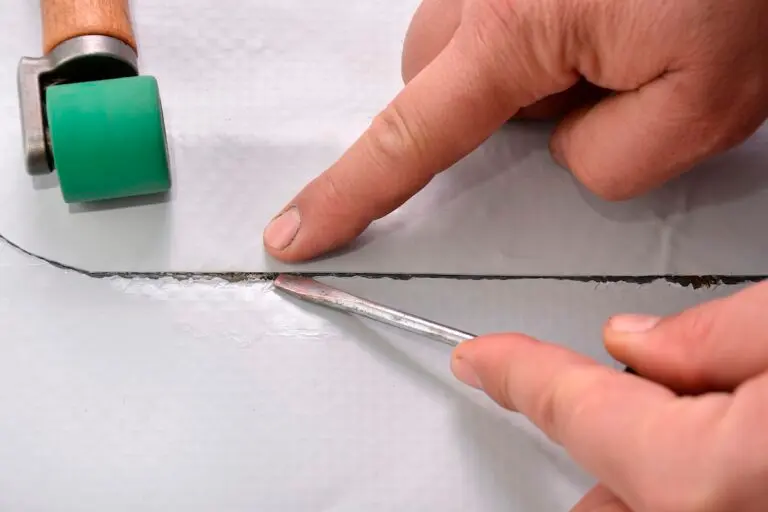
- Seam fatigue is invisible: Heat-welded TPO seams and adhered EPDM laps experience cumulative stress that can cause failure years later without any single storm being identifiable as the cause.
Cumulative damage complicates insurance claims because adjusters look for storm-specific damage rather than patterns of wear. Property owners who schedule commercial roof hail damage assessments after every significant storm — even sub-inch events — build a documentation trail that protects future claims.
When Is Hail Damage Worth Filing a Claim?
File a claim when: Hail was documented at 1 inch or above, a professional inspection confirms functional damage rather than cosmetic-only impact marks, the repair estimate materially exceeds your deductible, and your policy pays replacement cost value (RCV) rather than actual cash value (ACV).
Reconsider filing when: Hail was below ¾ inch with only cosmetic marks confirmed, the repair cost is near or below your deductible, your roof is near end of life on an ACV policy, or a cosmetic damage exclusion applies and functional damage cannot be documented.
Before contacting your insurer, have a HAAG certified contractor inspect and document the damage. This gives you an accurate scope before the adjuster arrives and creates documentation that can support a supplemental claim if damage is initially missed.
Other Factors That Affect Hail Damage
Older roofs sustain functional damage at smaller hail sizes — UV-degraded TPO loses flexibility and aged shingles have less granule coverage. Wind-driven hail striking at an angle causes shearing damage that vertical impact would not. And thicker membranes, impact-resistant shingles, and reinforced underlayments all shift the damage threshold upward — Class 4 shingles and 80-mil commercial TPO systems resist hail far better than standard alternatives.
6 Key Hail Size Thresholds That Trigger Roof Damage
Understanding these thresholds helps determine whether you are looking at cosmetic wear or functional damage that may justify an insurance claim.
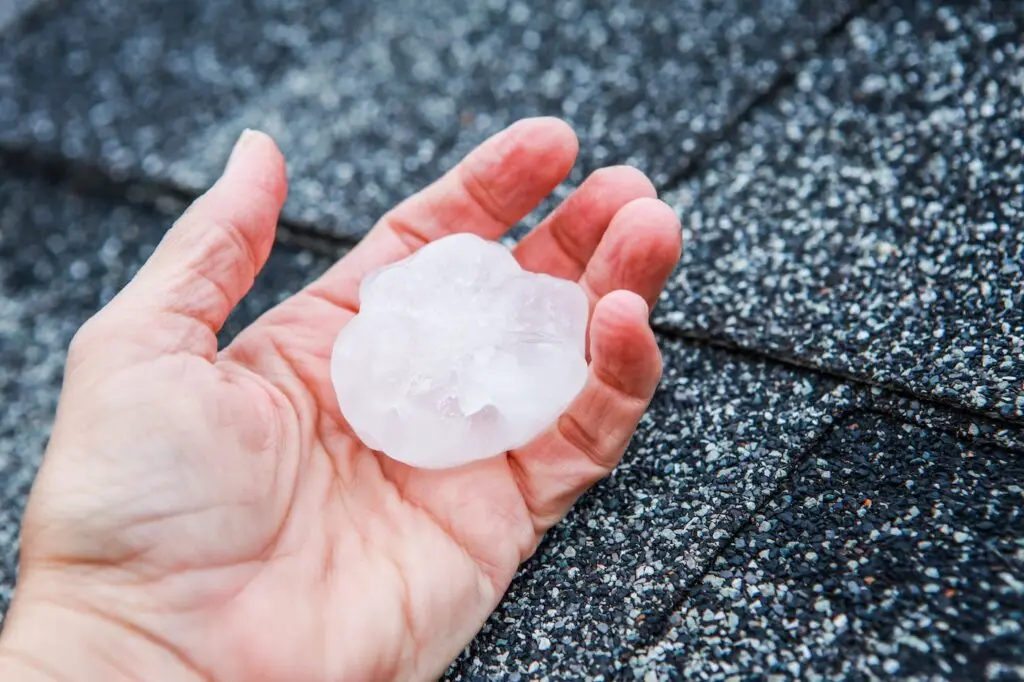
1. ¾ Inch Hail: Early Surface Wear
At this size, most roofs experience cosmetic impact rather than structural failure. Asphalt shingles may lose granules, and aging flat membranes may show surface scuffing. Functional damage is uncommon on healthy systems, but repeated exposure accelerates long term deterioration.
- Granule displacement: Minor protective coating loss on shingles
- Surface scarring: Visible marks on membranes and flashings
- Low claim probability: Typically not sufficient for insurance approval
2. 1 Inch Hail: Functional Damage Begins
This is the widely recognized industry threshold where functional damage becomes probable on standard asphalt shingles and lighter commercial membranes. Many adjusters look for documented hail at or above this size when evaluating claims.
- Shingle bruising: Fiberglass mat cracking beneath granules
- Membrane vulnerability: Increased puncture risk on thinner TPO systems
- Claim eligibility: Common minimum size for non cosmetic damage
3. 1.5 Inch Hail: Structural Impact Risk
At walnut size, damage escalates significantly. Metal panels may begin to show noticeable denting, and flat roofing systems become more susceptible to punctures and seam stress.
- Panel denting: Visible impact on metal roofing
- Membrane punctures: Higher probability on 45-mil systems
- Flashing damage: Deformation around rooftop penetrations
4. 2 Inch Hail: High Replacement Likelihood
Golf ball sized hail often leads to widespread functional damage. At this stage, many roofs require major repairs or full replacement depending on age and material condition.
- Extensive cracking: Asphalt shingles fracture beyond repair
- Seam separation: Stress on welded or adhered flat roof seams
- Coating failure: Protective layers compromised on metal systems
5. 2.75 Inch and Above: Severe Structural Threat
Baseball sized hail introduces a serious risk to nearly all roofing systems. Even impact resistant materials can sustain damage under this level of force.
- Deck impact: Potential cracking beneath roofing layers
- Skylight damage: Shattering and frame distortion
- Immediate inspection required: High probability of claimable loss
6. Cumulative Sub-Inch Storms: The Hidden Risk
Even storms producing hail under 1 inch can create long term vulnerability when repeated over multiple seasons. Insurance carriers may not approve a claim for a single event, but compounded damage weakens the system significantly.
- Accelerated aging: UV exposure increases after granule loss
- Insulation compression: Soft spots develop in flat systems
- Documentation importance: Inspection records protect future claims
What to Do After a Hailstorm
Act quickly — inspect from the ground, document everything with timestamps before any cleanup, apply temporary tarps to exposed areas, and contact a commercial roofing specialist for membrane systems. Most commercial policies have reporting deadlines, and waiting can jeopardize coverage regardless of how valid the damage is.
How to Prevent Future Hail Damage
Upgrade to Class 4 impact-resistant shingles or thicker commercial membranes, schedule an inspection after every significant storm to build a documentation trail, add protective barriers over HVAC units and skylights, and keep gutters and drains clear before storm season.
Trust Embry’s Roofing for Storm Damage Assessment
Knowing what size hail will damage a roof is the starting point. Getting an accurate, documented inspection is what determines whether you file a claim, what it covers, and what your repair will actually cost.
We’re proud to serve homeowners and businesses in Evansville, IN, and surrounding communities including Bloomington, IN, with professional storm damage inspections and the expertise that holds up with insurance adjusters. Family-run since 1979 and backed by over 45 years of experience, our HAAG certified inspectors evaluate every roof with precision. Contact Embry’s Roofing today for a free inspection and find out exactly where your roof stands.
CHECK OUT THE LATEST
FROM OUR BLOG