
How to Protect Your Commercial Roof From Hail Damage (7 Tips)
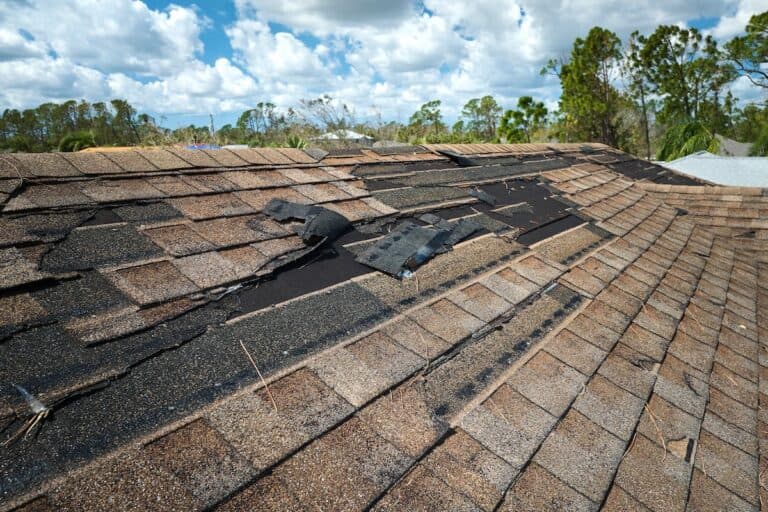
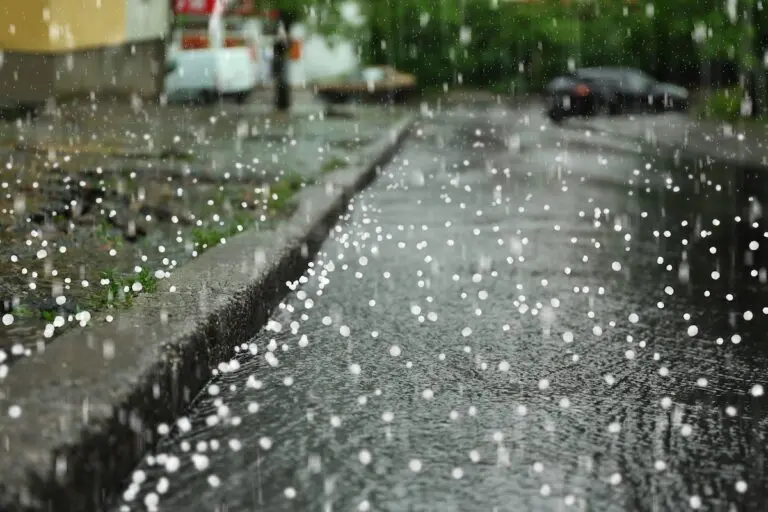
Commercial roof hail damage is one of the most common and costly issues faced by business owners across Indiana. When hail impacts a commercial building, it can damage roofing materials, disrupt operations, and reduce the value of your property. Fortunately, there are practical steps to reduce risk. Protecting your commercial roof from hail damage involves a combination of material selection, regular inspections, prompt repairs, and effective insurance management.
- Flat roofs face greater exposure: Hail hits harder on low-slope surfaces, especially on large commercial buildings.
- Membranes vary in protection: Roofing materials like TPO or EPDM offer differing levels of hail resistance depending on thickness and quality.
- Preparedness pays off: The better maintained your commercial roof system is, the more likely you will avoid costly damage.
Here are seven essential tips to help protect your investment before and after the next storm.
1. Choose Hail-Resistant Roofing Materials by System Type
Your roofing material determines your first line of defense against hail. Each commercial system responds differently to impact, and understanding those differences helps you make the right investment decision. Businesses seeking long-term protection should consider solutions from a trusted provider of metal roofing in Evansville, IN that understands local weather patterns and commercial building requirements.
TPO Roofing
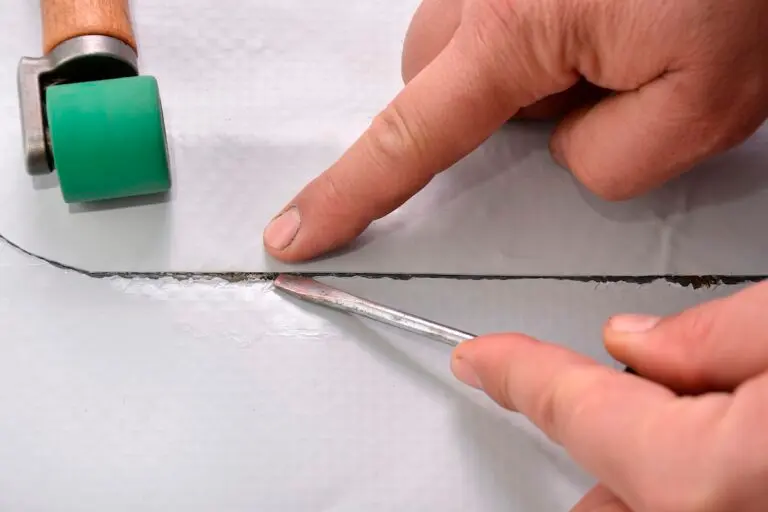
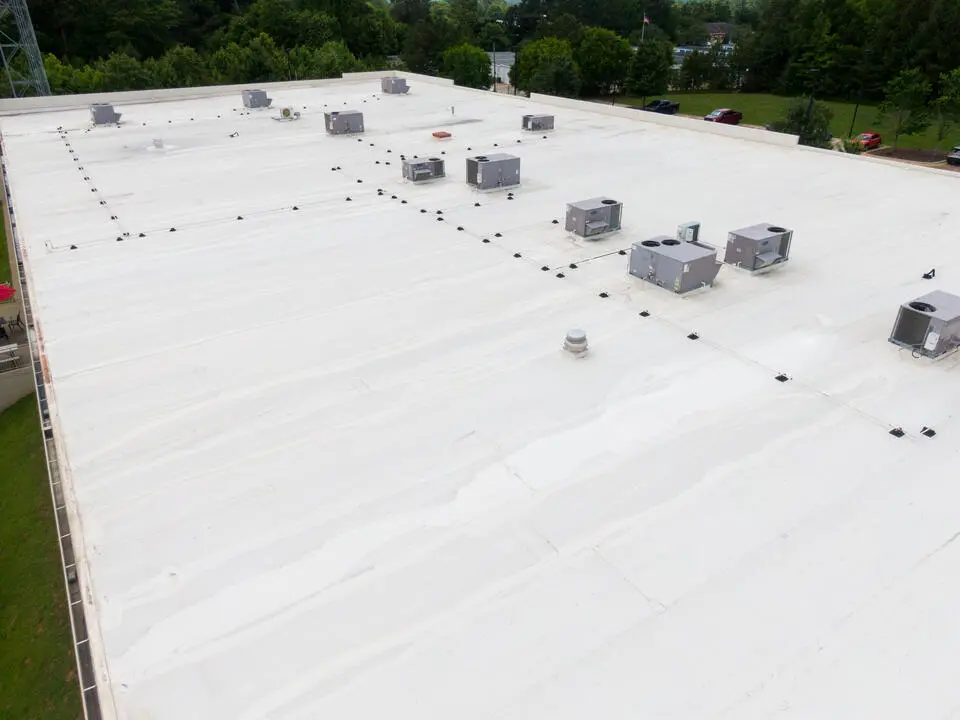
TPO membranes can crack or puncture when struck by hail at or above one inch in diameter, particularly on thinner 45-mil systems or aged installations. Thicker 60-mil to 80-mil TPO provides meaningfully better impact resistance and is the recommended specification for facilities in hail-prone areas across the Tri-State region.
EPDM Roofing
EPDM’s rubber-based composition gives it more flexibility under impact than rigid membrane systems, but it remains vulnerable to deep indentations and seam stress from sharp hailstones, especially on older installations that have lost elasticity through UV exposure.
Metal Roofing
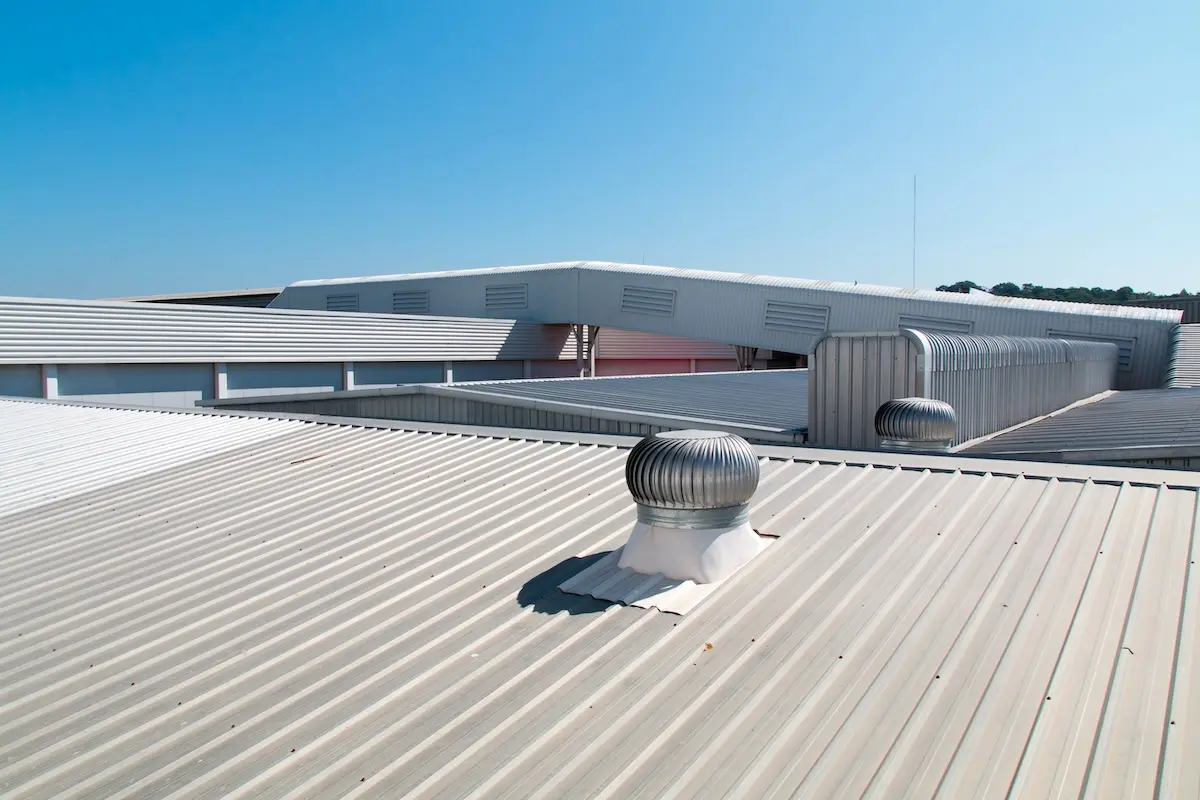
Metal roofing systems, including standing seam steel and Galvalume panels, are among the most hail-resistant commercial roofing options available. Structural denting typically requires hail above 1.5 inches, and unlike membrane systems, metal roofs do not puncture — they dent, and those dents rarely compromise watertight performance unless coating damage allows corrosion to develop.
Modified Bitumen and Built-Up Roofing
Modified bitumen and BUR systems offer multi-layer redundancy that improves hail resistance compared to single-ply membranes. Hail events strip protective granules and can fracture the surface layer, but the underlying plies often remain intact. Multi-ply systems are particularly suited to facilities in high-hail-frequency areas.
- TPO: Specify 60-mil or 80-mil; avoid thinner products in hail-prone markets.
- EPDM: Reinforce seams and inspect annually for UV-related brittleness.
- Metal: The strongest long-term hail performer for commercial applications.
- Modified bitumen: Multi-ply redundancy provides solid hail tolerance for mid-range budgets.
2. Reinforce Rooftop Equipment and Vulnerable Areas
A hailstorm causes more than membrane damage. Exposed rooftop components often sustain the most severe impact, and they serve a dual purpose after a storm: the denting on HVAC housings, gutters, and flashings provides independent corroborating evidence that confirms the hail event for insurance purposes. Facility managers can benefit from proven strategies used in industrial roofing applications, where system-wide protection is essential to minimizing storm-related disruptions.
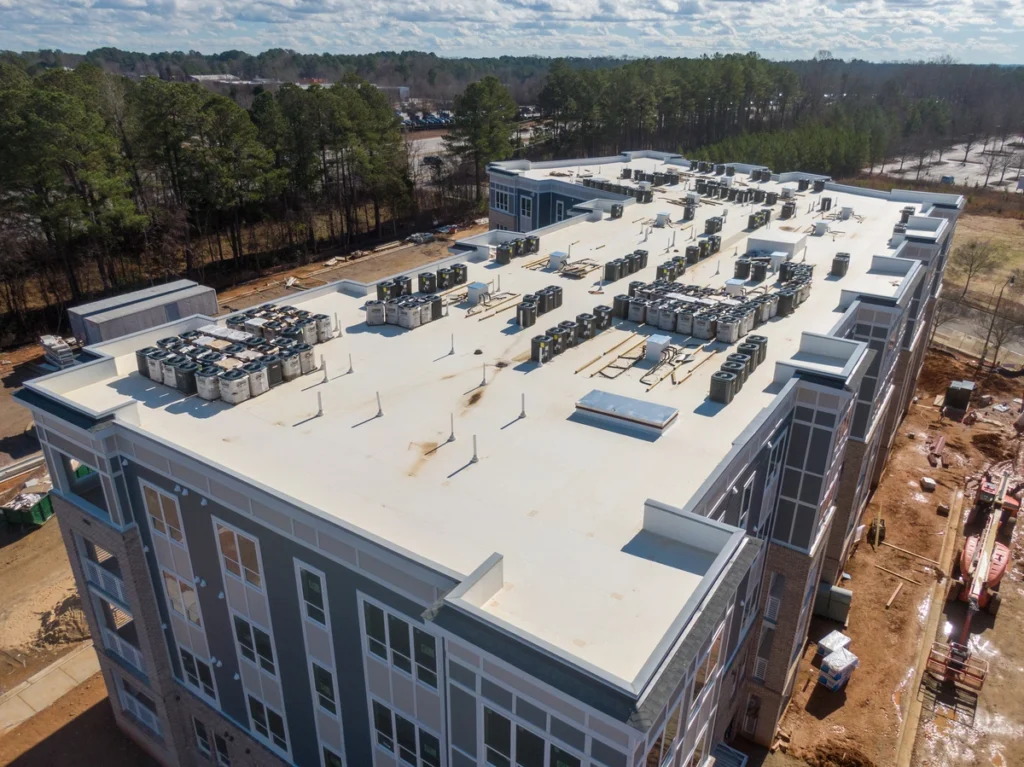
- HVAC units and skylights: Use guards or covers rated for hail impact to protect valuable rooftop assets.
- Flashing and conduits: Ensure these elements are securely fastened and in good condition to avoid leaks or breakage after impact.
- Wall caps and terminations: Protect vulnerable joints and edges that may be stressed during hail impact.
3. Improve Insulation and Drainage Performance
Proper insulation and drainage support both impact resistance and long-term roof performance. During a hailstorm, water accumulation and crushed insulation can worsen existing damage.
- Use high-density insulation: This helps absorb hailstone force and prevents compression of the insulation layer below the membrane.
- Maintain drainage paths: Check internal drains, scuppers, and downspouts regularly to prevent blockages that lead to ponding water after storms.
- Evaluate slope and flow: Ensure your commercial roof is properly pitched to reduce standing water, especially after severe weather.
4. Schedule Regular Roof Inspections
Routine inspections are one of the most effective ways to catch developing issues before a hailstorm makes them worse. Understanding how to find a roof leak helps facility managers identify problems early. Partnering with a contractor experienced in metal roofing in Bloomington, IN ensures inspections are performed correctly and that even minor hail impacts are addressed before they develop into costly system failures.
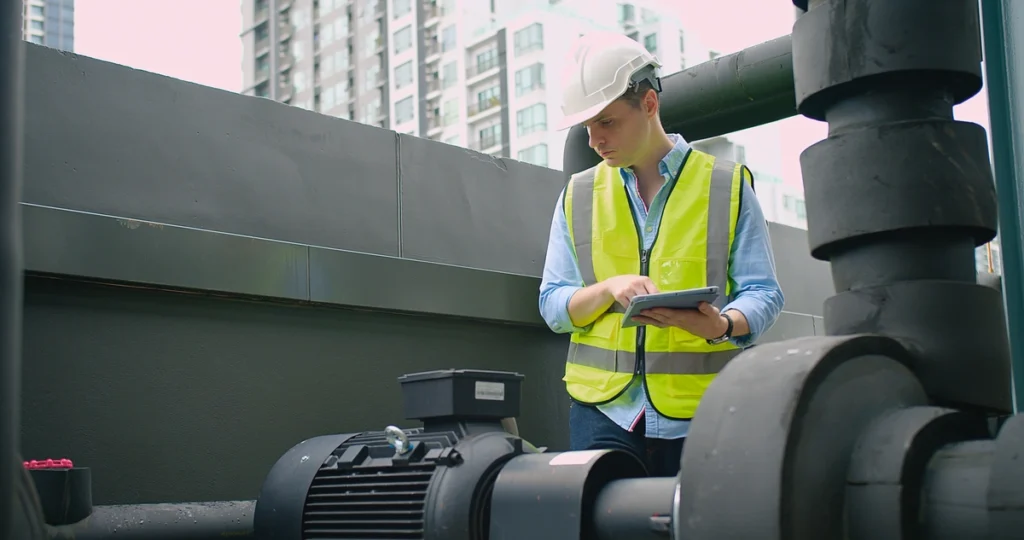
- Spring and fall checkups: These identify seasonal wear and prepare your roof for storm season.
- Post-storm assessments: Always inspect after any significant weather event, even if no immediate leaks appear.
- Use a commercial roofing expert: A qualified contractor can identify issues specific to low-slope systems and recommend needed repairs.
5. Add Protective Coatings for Extra Defense
In many cases, a commercial roof can be enhanced with a specialized coating that adds a layer of hail resistance and extends system life.
- Elastomeric coatings: These flexible materials expand and contract with temperature and impact, helping absorb hail energy.
- Silicone or acrylic finishes: These coatings improve weather protection and reduce UV degradation over time.
- Life extension: Coatings can help defer full replacement by improving membrane durability and resilience on aging systems.
Discuss coating compatibility with your contractor before applying — not all coatings are compatible with all membrane types.
6. Develop a Storm Response Plan
Even a well-protected commercial roof can suffer unexpected damage. A response plan speeds up recovery and reduces operational downtime. Working with professionals who specialize in metal roofing in Terre Haute, IN allows property managers to secure rapid response services and reliable long-term repair solutions.
- Assign internal roles: Designate staff or facility managers to perform initial assessments and secure the area.
- Keep emergency supplies on hand: Tarps, flashlights, safety cones, and temporary sealing products protect assets immediately after a storm.
- Partner with a contractor in advance: Having a go-to commercial roofing contractor ready to call after a storm eliminates delays when speed matters most.
7. Review Insurance Coverage and Document Damage Properly
Insurance management is one of the most consequential parts of commercial hail damage response. Advance preparation — and precise post-storm documentation — makes the difference between a smooth claim and a denied one.
Pre-Storm Insurance Checklist
- Review your policy now to confirm whether it pays replacement cost value or actual cash value for your roof system.
- Understand your hail-specific deductible, which may differ from your standard deductible.
- Keep maintenance records and prior inspection reports — these establish pre-storm condition and support future claims.
Documenting Damage for Your Commercial Insurance Claim
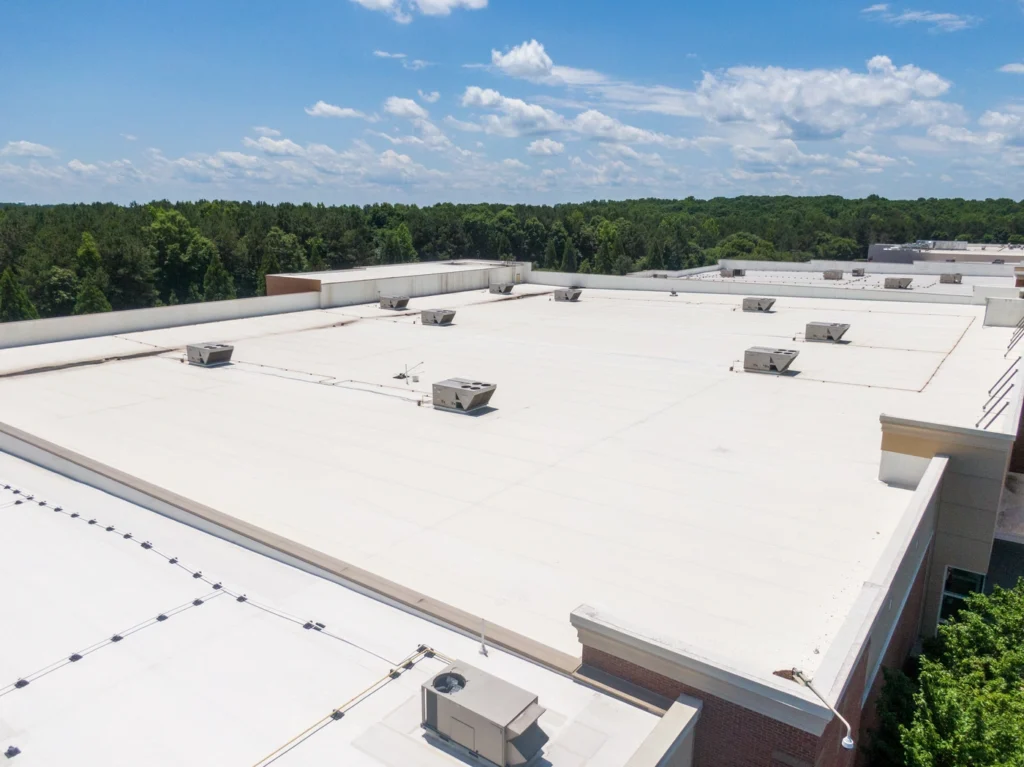
Thorough documentation is the most important step you can take after a storm. Here is what adjusters need and what protects your claim:
- Photograph the full roof field from multiple angles, capturing the spread and pattern of impact marks across the membrane surface.
- Close-up every impact point — include a ruler or coin for scale to demonstrate hail size correlation.
- Document all metal components — HVAC housings, gutters, downspouts, flashings, and pipe boots. Denting on these provides independent confirmation of the hail event.
- Capture interior damage — ceiling stains, wet insulation, or moisture intrusion photographed with timestamps supports the severity of the claim.
- Obtain a weather report — pull the NOAA or local weather service record confirming hail size and storm timing at your location.
- Get a written contractor inspection report — a HAAG certified commercial inspector’s documented findings carry significant weight with insurance adjusters and can identify damage the adjuster misses.
- Track all emergency repair costs — keep receipts for tarps, temporary sealing, or any mitigation work. Most commercial policies reimburse these expenses.
For a complete walkthrough of the claims process, review the hail damage roof repair steps specific to commercial systems.
Stay Ahead of the Storm With Smart Hail Protection
Protecting your commercial building from hail requires more than reacting after a storm. It starts with installing durable roofing materials, partnering with an experienced contractor, and staying vigilant about inspections and repairs. As hailstorms become more frequent across Indiana and the Midwest, proactive roofing care is an essential part of your business continuity strategy.
At Embry’s Roofing, we help Indiana businesses prepare for and recover from commercial roof hail damage. Our experienced team works with all major flat and low-slope roofing systems, including TPO, EPDM, PVC, and modified bitumen. We serve businesses across Evansville, Bloomington, and communities like Vincennes, IN with commercial inspections, storm damage documentation, and long-term roof protection strategies. Contact Embry’s Roofing today for a free commercial roof inspection and get ahead of hail season before the next storm hits.
CHECK OUT THE LATEST
FROM OUR BLOG