
Does Homeowners Insurance Cover Wind Damage To Roof (7 Facts)
Does homeowners insurance cover wind damage to roof concerns? Yes — most standard homeowners insurance policies cover wind damage to your roof. But how much they pay, and whether you receive full replacement cost or a depreciated amount, depends on your roof’s age, the materials it is made of, and the type of policy you carry. If your insurer offers ACV (actual cash value) rather than RCV (replacement cost value) coverage, you could owe thousands out of pocket even on a legitimate claim. Knowing the difference before a storm hits is the single most important step you can take to protect your finances — and having an experienced storm damage roofing team in your corner makes the entire process easier from inspection to claim.
This article covers:
- How insurance handles wind damage based on roof age and material
- ACV vs. RCV: what each pays and why it matters
- What to document before filing a claim
- How to respond if your claim is denied
- Preventive steps to reduce future damage and strengthen your claim
Why Wind Damage Coverage Is More Complicated Than It Looks
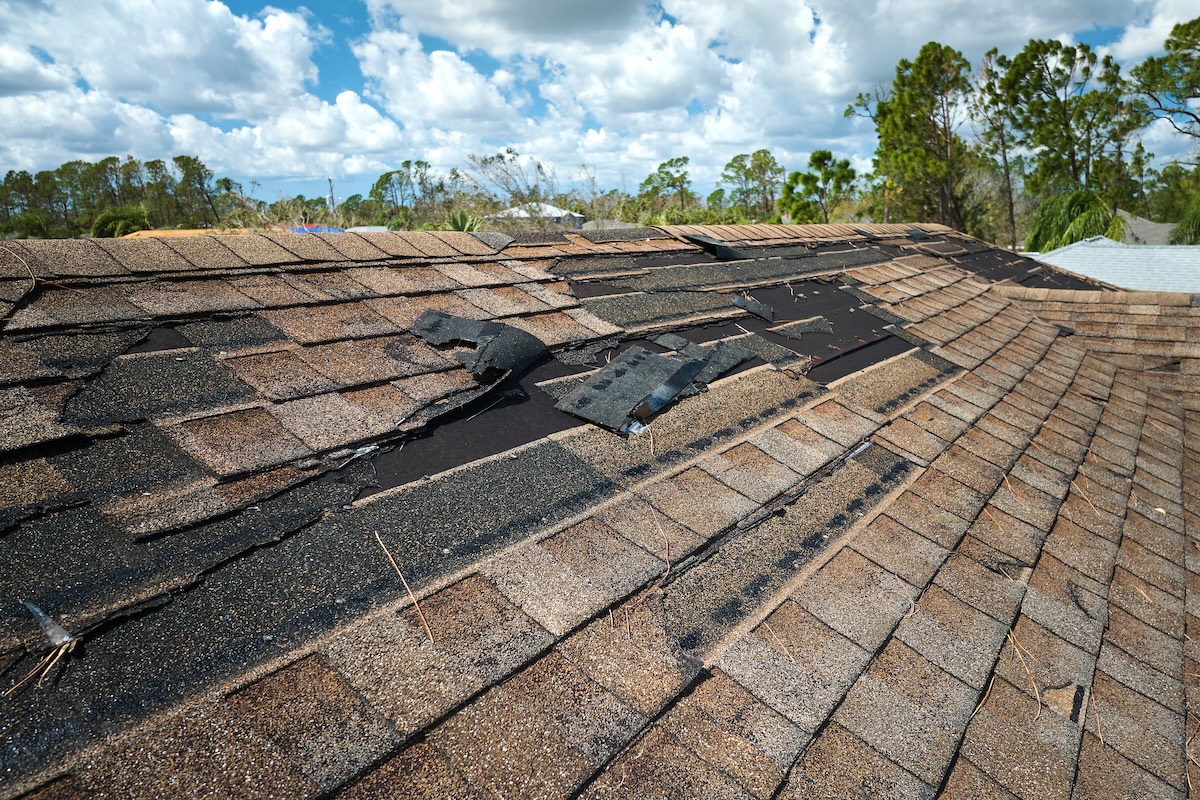
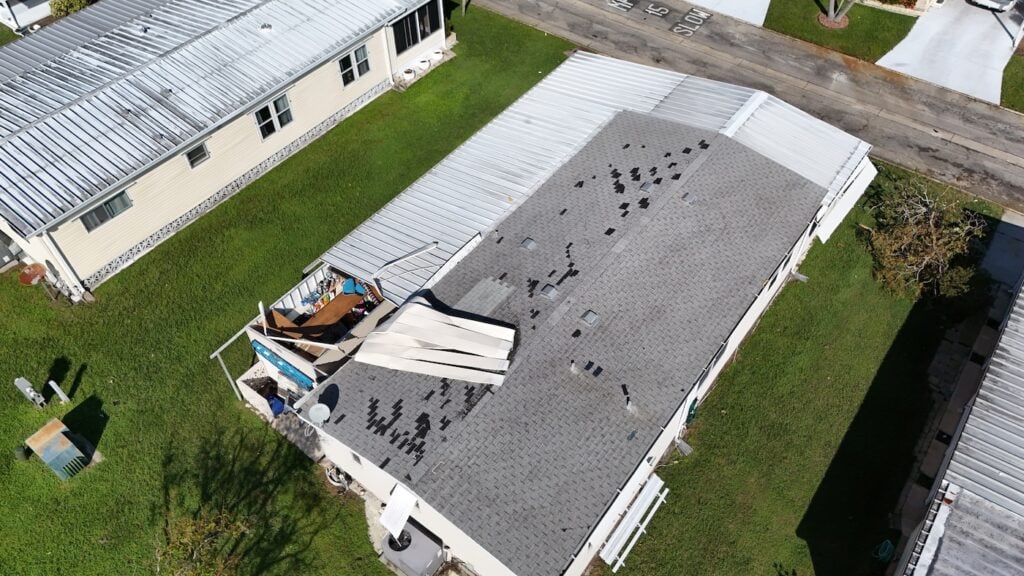
Homeowners in Evansville, IN understand how unpredictable the weather can be. Strong winds, hailstorms, and flying debris can damage a roof in minutes. What most homeowners do not realize is that two neighbors with identical storm damage can receive very different insurance payouts based solely on the age of their roofs and the wording in their policies.
Understanding your storm damage coverage before bad weather hits gives you control over the recovery process. You know what to document, what to expect from your adjuster, and when to push back on a payout that does not reflect your actual loss. Working with a HAAG certified roofing inspector is one of the most effective ways to ensure your damage assessment holds up with your insurance company.
7 Key Facts About Wind Damage and Homeowners Insurance
Understanding these facts can help you avoid costly surprises when filing a wind damage claim.
- Most policies cover wind damage: Standard homeowners insurance typically includes wind and hail coverage unless specifically excluded.
- Roof age affects payouts: Insurers often reduce payments on roofs over 10 to 15 years old due to depreciation schedules.
- ACV policies reduce claim value: Actual cash value coverage subtracts depreciation, which can lower payouts by 30 to 50 percent.
- RCV coverage restores full value: Replacement cost value policies pay what it costs to replace your roof today, minus your deductible.
- Storm deductibles may differ: Wind and hail deductibles can be separate from your standard deductible and may be percentage based.
- Documentation determines approval: Photos, inspection reports, and timestamps significantly increase the likelihood of a smooth claim process.
- Denied claims can be appealed: Homeowners have the right to request written explanations and submit additional documentation for reconsideration.
Coverage Scenarios: How Your Situation Affects the Payout
Most homeowners arrive at this question with a specific situation in mind — a new roof, an aging one, or a claim that was just denied. The scenario you are in determines not just how much your insurer pays, but what steps you should take next to protect your payout and your property.
New Roof or Newer Materials
If your roof is relatively new — typically under 10 years old — most standard homeowners insurance policies will cover wind and hail damage at full replacement cost value. This means your insurer pays to restore your roof to its pre-storm condition using comparable materials, minus your deductible. This is the best-case scenario, and it is worth confirming your policy explicitly states RCV rather than ACV before you need to file.
Aging Roof (10 to 20+ Years)
This is where many homeowners are caught off guard. If your roof is older, your insurer may apply depreciation to the payout, covering only the actual cash value of the damaged materials rather than what replacement costs today. On a 15-year-old asphalt shingle roof, ACV payouts can be significantly lower than the real cost of repair, leaving a substantial gap for the homeowner to cover out of pocket. Some insurers will not cover roofs beyond a certain age at all without an endorsement.
- What to do: Review your declarations page now. If your policy lists ACV, ask your insurer about upgrading to RCV or adding an extended replacement cost endorsement before your next renewal.
Full Replacement vs. Depreciated Payout
The difference between RCV and ACV coverage is the most consequential factor in any wind damage claim. Replacement cost value pays what it costs to replace the damaged roof today. Actual cash value pays that amount minus depreciation for the roof’s age and condition. On a roof with 10 or more years of wear, that depreciation can amount to 30 to 50 percent of the replacement cost.
- RCV policies: Higher premiums, but cover the full cost of restoring your roof to pre-storm condition.
- ACV policies: Lower premiums, but leave you responsible for depreciation on top of your deductible.
- Recoverable depreciation: Some policies allow you to recover the withheld depreciation amount after repairs are completed and documented. Ask your insurer whether yours does.
Denied Claims: What to Do Next
A denied wind damage claim does not have to be the final word. Insurers commonly deny claims for lack of documentation, pre-existing conditions, or disputes over whether the damage was caused by wind versus general wear. If your claim is denied:
- Request the denial in writing with the specific reason cited.
- Have an independent residential roofing professional inspect the damage and provide a written assessment that identifies storm-caused damage separately from any pre-existing wear.
- File a formal appeal with your insurer using the contractor’s documentation.
- If the appeal fails, consider a licensed public adjuster or legal counsel familiar with insurance disputes in your state.
What to Document Before Filing a Claim
Strong documentation is the difference between a smooth claim and a disputed one. Start gathering evidence as soon as it is safe to do so after the storm, before any cleanup or temporary repairs remove evidence of the original damage.
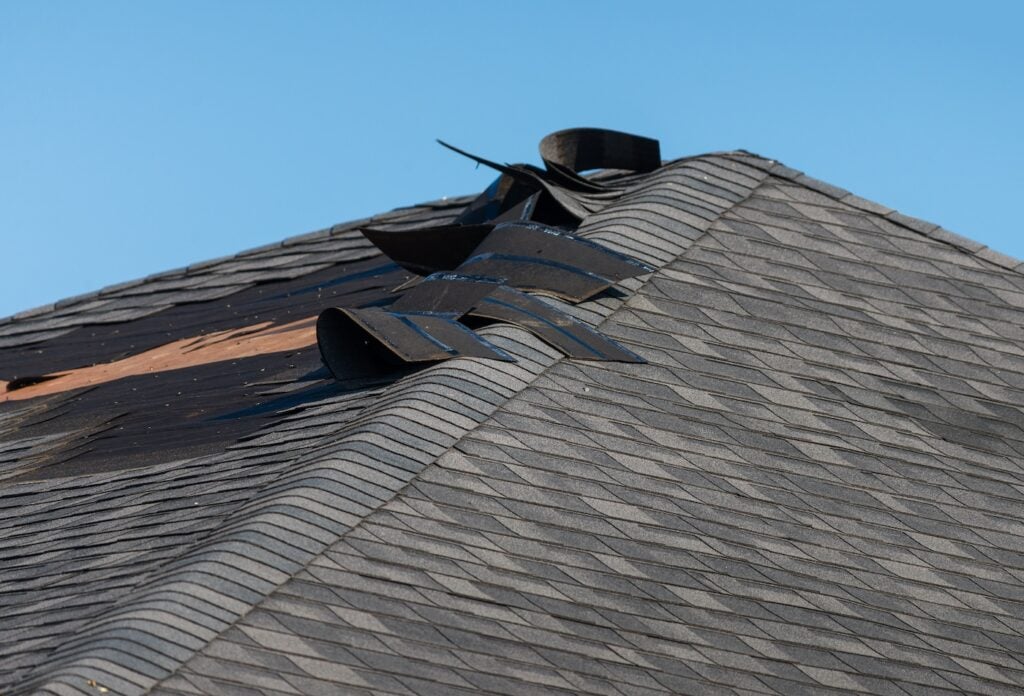
- Photographs and video: Capture all visible damage from the ground and, if safely accessible, from a ladder at the roofline. Include wide shots for context and close-ups for detail.
- Timestamps: Use your phone’s automatic timestamp or confirm file metadata. Insurers want to confirm damage occurred during the storm event, not before.
- Interior damage: Photograph any water stains, ceiling damage, or moisture that entered the home, as this supports the severity of the exterior damage claim.
- Neighbor documentation: If nearby homes sustained similar damage, note it. Widespread storm damage in a neighborhood supports your claim.
- Previous inspection records: Any prior professional roof inspection reports that confirm the roof’s pre-storm condition strengthen your position considerably.
- Receipts for temporary repairs: If you cover exposed areas with a tarp or make emergency repairs to prevent further damage, keep every receipt. Most policies reimburse these costs.
- Contractor estimate: A written estimate from a licensed roofing contractor documenting storm-specific damage is essential for any claim above a minor repair.
What to Look for When Comparing Policies
If you are reviewing or updating your homeowners insurance policy, these factors matter most:
- Coverage type: Confirm whether your plan pays replacement cost or actual cash value, and understand what that means for your specific roof’s age.
- Deductible requirements: Storm-related deductibles, particularly in the Tri-State region, may be separate from your standard deductible and higher than you expect.
- Roof age adjustments: Many insurers adjust payouts based on roof age. Review these clauses before you need to file, not after.
- Optional endorsements: Ask your insurer about windstorm or hail endorsements. These can provide broader coverage in high-risk areas.
- Customer support: Timely response matters when storms hit. Choose an insurer with 24/7 claim support and a local presence.
Preventive Steps to Reduce Future Wind Damage
A little preparation before storm season significantly reduces both your damage risk and the complexity of any future claim.
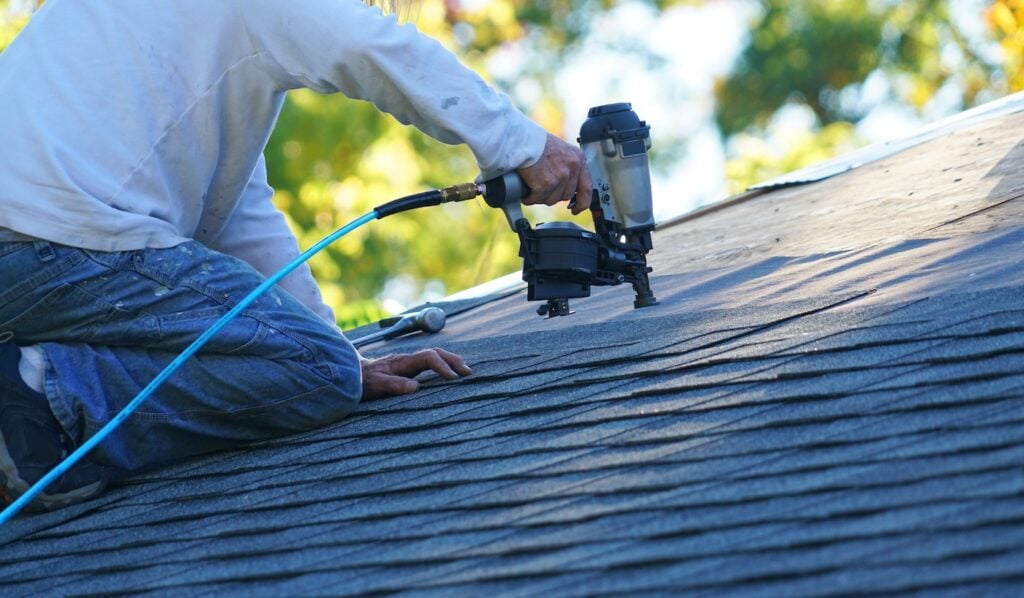
- Schedule annual inspections: A roofing expert can identify wear and vulnerabilities before they become storm damage. Inspection records also document your roof’s pre-storm condition, which strengthens future claims. Winter-specific issues like ice dams are another common source of preventable roof damage worth addressing before cold weather arrives.
- Trim trees and branches: Keep limbs clear of your roofline to reduce the risk of debris impact during high winds.
- Secure roof fixtures: Tighten vents, flashing, and any rooftop attachments to prevent detachment when winds pick up.
- Use wind-rated materials: Consider impact-resistant shingles or upgraded fasteners during your next repair or replacement for improved storm performance.
Protect Your Home With Embry’s Roofing
Strong winds and storms are unpredictable, but the right roofing team makes recovery faster and less stressful. Whether you need a post-storm inspection, documentation to support a claim, or a full roof replacement, Embry’s Roofing has the experience and credentials to get it done right.
We’re proud to serve homeowners and businesses in Evansville, IN, and nearby communities with professional roofing services and more. Family-run since 1979 and backed by over 45 years of experience, our HAAG certified inspectors know exactly how to identify and document storm-caused damage in a way that holds up with insurance adjusters. Contact Embry’s Roofing today to schedule your free inspection and make sure your roof and your claim are both in the best possible position.
CHECK OUT THE LATEST
FROM OUR BLOG