
5-Star Commercial Roofing In the Tri-State Area
Your Locally-Trusted Roofing Company In Indiana, Illinois, & Kentucky
When you’re on the hunt for a local and reputable commercial roofing company in the tri-state area, you’ll want to work with a team you can trust. Here at Embry’s Roofing, we’re proud to offer top-of-the-line roofing materials along with precise installations, replacements, and storm damage roof repairs for home and business owners alike.
We collaborate with property managers, architects, and general contractors throughout every step of the project. As a trusted commercial roofing contractor, we emphasize our reliability and offer a wide range of services tailored to meet the needs of commercial and industrial properties.
-

Industry Leading Safety Training
-

Warehouses, HOAs, Industrial, & Retail
-

HAAG Certified Commercial Inspectors


Commercial Roofing Services Done Right
Rely on a Locally-Trusted Roofing Contractor
Nothing is more frustrating as a business owner than waiting around for an unresponsive contractor to get the ball rolling. Here at Embry’s Roofing, we’re one of the go-to commercial roofing companies because we are always responsive – and always on time.
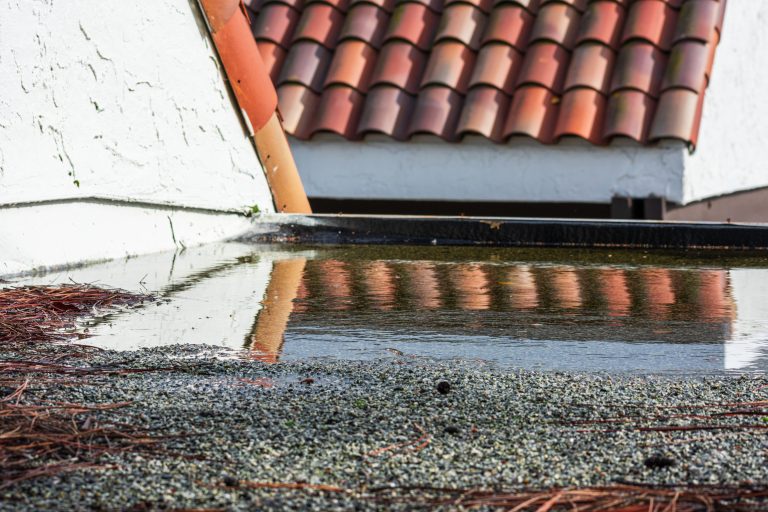
Whether you’re dealing with flat roof leaks, storm damage, or general wear and tear, you can count on us for high-end roofing materials, prompt roof repairs, and detailed roof replacements.

Hear from our customers
T
Tom Jameson


Robert Embry put the roof on our church, fixed a chimney leak for my grandmother, and put the roof on my father-in-laws home. In all these jobs the work exceeded even my…
M
Mark Grant
Quality Company. Had another inferior roofing company roof our building in April and they ended by "roofing over a flat-roof drain" (scupper). I was unable to find another company until late in…
K
Ken Rogers
Great job and came back to fix our garage door for us.
K
Kathleen Gasper
Always answers phone. Very helpful. Willing to fix something if you don’t like it.
Life-long relationships. High-quality results. Unbeatable warranties. Authentic people with no shortage of dad jokes.
Life-long relationships. High-quality results. Unbeatable warranties. Authentic people with no shortage of dad jokes.
Our Process is seamless
step #1

Reach out
Get in touch with our team by phone or online form, and let us know what you’re looking for.
step #2

INSPECTION
We’ll schedule a free inspection within 24 hours so that you aren’t waiting around.
step #3

report & estimate
We’ll report our findings in an easy-to-digest way and provide an honest price estimate for the project.
step #4

Schedule Work
Work gets scheduled at a convenient time for you. We show up on time and communicate throughout.
step #5

Quality Assurance
When all is said and done, our team and the manufacturer provide a quality inspection to ensure success.
Unique Material? No Problem.
High-Quality Roof Coatings & Materials
Being a commercial roofing leader since 1976 means we know every commercial roofing system like the back of our hands. No matter what flat or sloped roofing material you need, we’ll be able to execute your vision.
And if you’re not sure which material best suits your needs and budget, we’ll be there to guide you. Preventive and regular commercial roof maintenance throughout the life cycle of a roof is crucial to ensure its longevity and performance.

Recent Projects

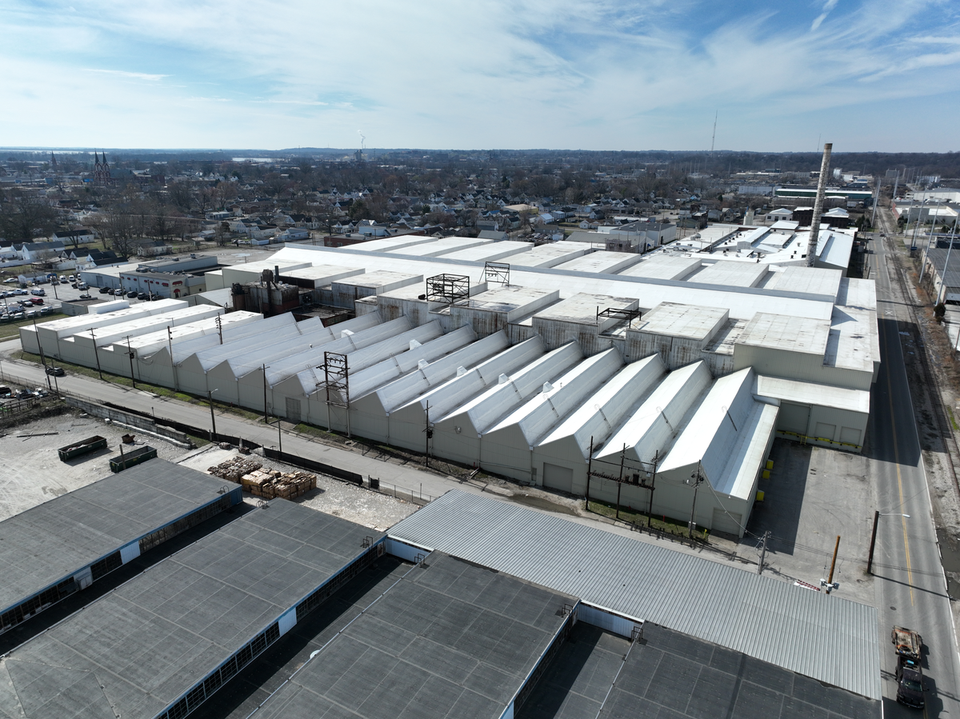
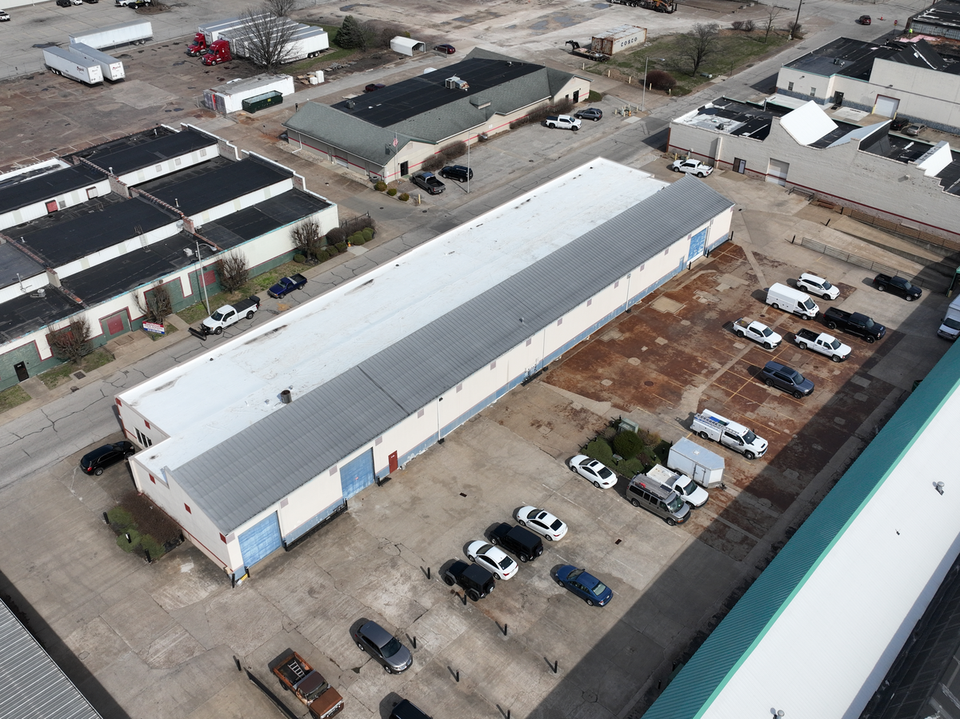
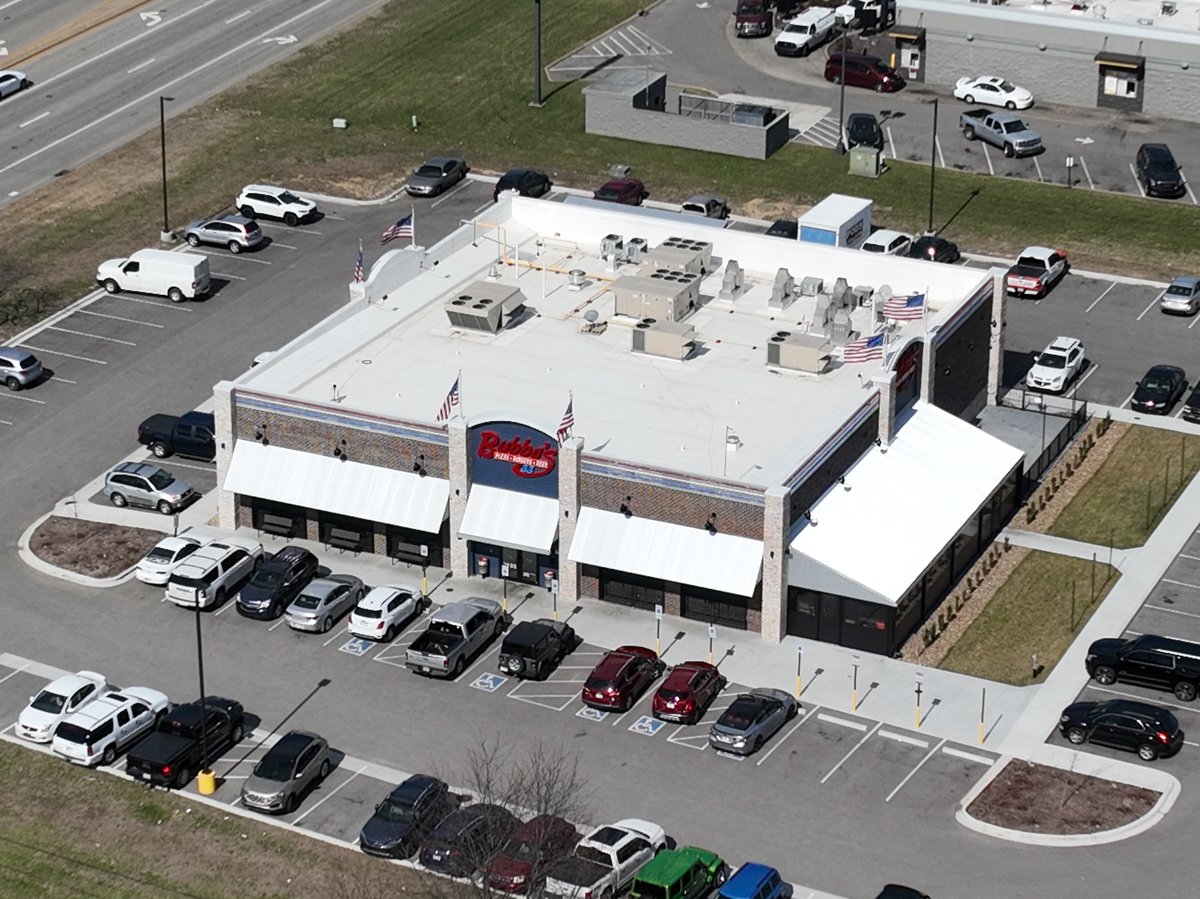
Recent Projects
La Quinta Roof Replacement: A Case Study in Expert Roofing and Storm Damage Restoration
COMPLETED DECEMBER 2024
frequently asked questions
Do you offer commercial roof coatings?
Yes! We provide commercial coatings to extend the life of your roof before it needs a total replacement.
Do you offer insurance claim assistance for residential and commercial properties?
Yes, no matter what type of property you own, we can help you navigate your insurance claim.
Are you fully licensed and insured?
Yes, the safety of our team is very important to us, so we’re fully licensed, insured, and bonded.
Can I finance just a portion of my project?
Yes! You can utilize financing for your entire project, or you can use it for a portion if you want to pay for some of the project with upfront funds.
Proudly Serving The Tri-State Area
As home and business owners ourselves, we understand how daunting it can be to tackle roof leaks, damaged roof vents, or worse. That's why we work to deliver the highest-quality roofing systems that stand the test of time. Don't neglect your roof - reach out to our professional commercial roofing experts and get help when you need it.
CHECK OUT THE LATEST FROM OUR BLOG