
Local & Honest Metal Roofing Services
Your Local Metal Roofing Contractor In IN, KY, & IL
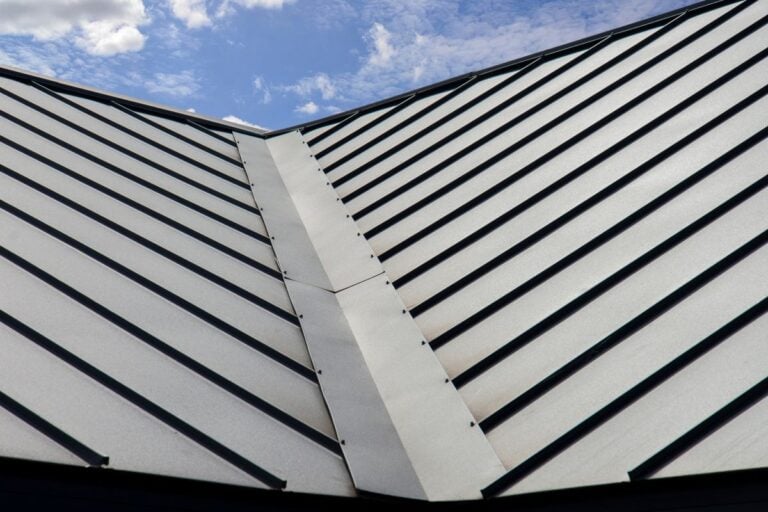
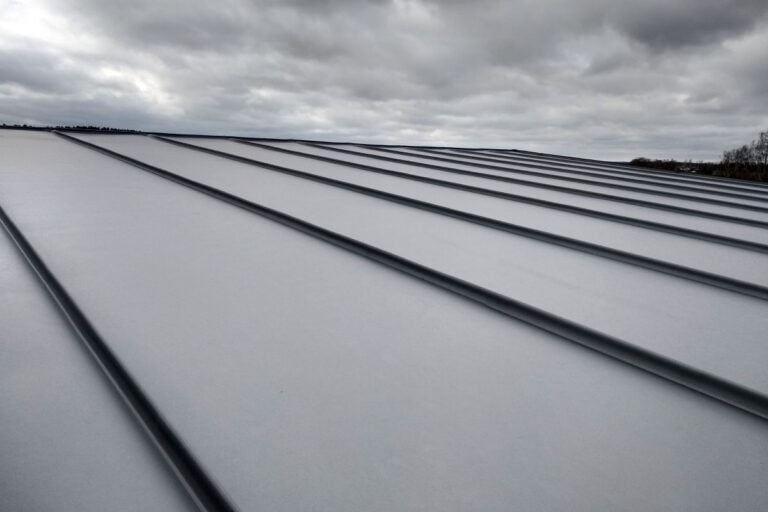
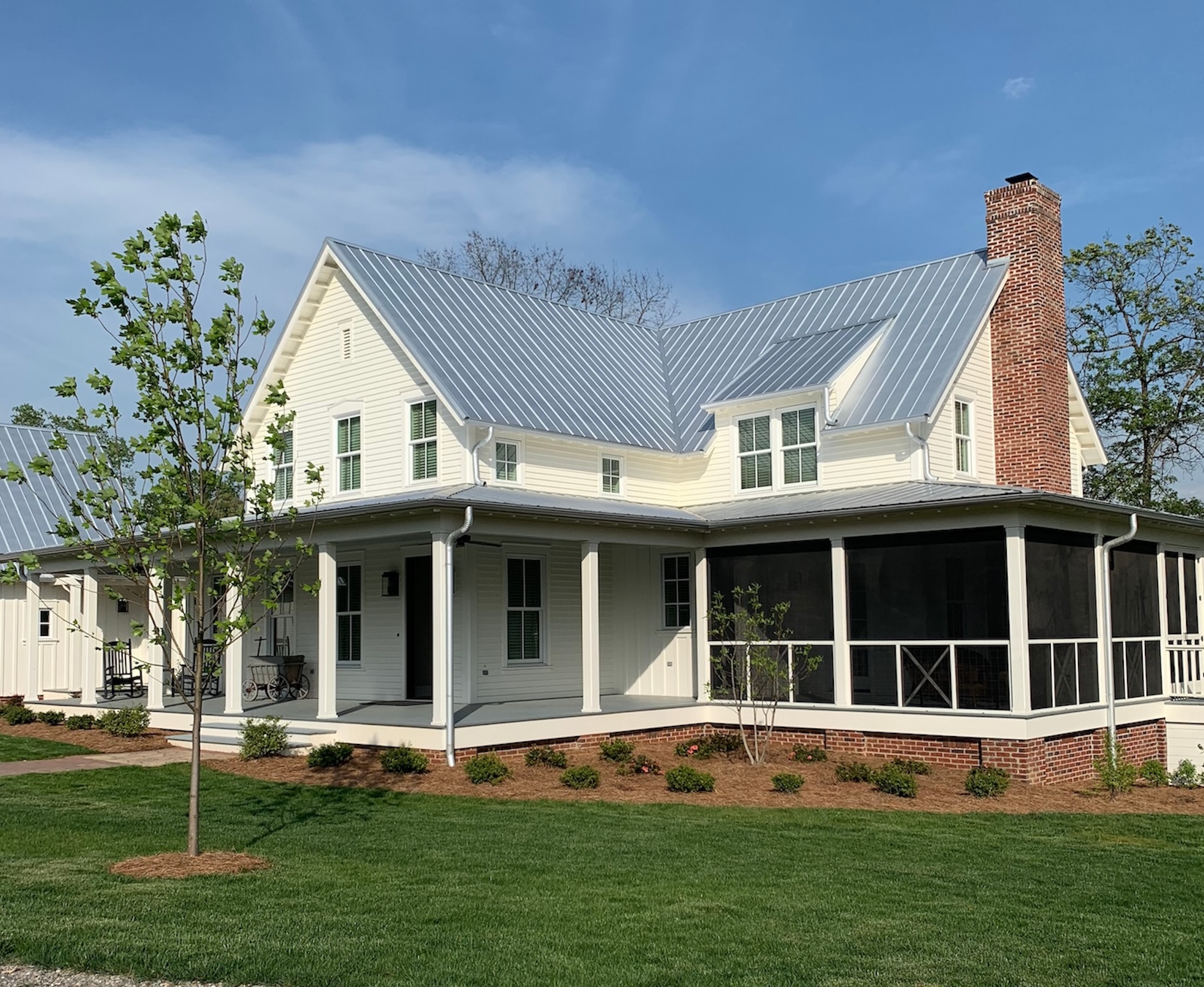
Metal roofing delivers durability, efficiency, and a clean, modern look for properties that need dependable protection. Embry’s Roofing provides metal roofing solutions designed for long term performance, weather resistance, and consistent results across residential and commercial projects.
-

Tested Metal Systems from Trusted Manufacturers
-
Craftsmanship Is Our Priority
-
Designed for Southern Indiana Weather


Reach out &
get started today


Metal Work That Doesn’t Cut Corners
We know that roofing services are a significant investment. Embry’s offers quick turnaround times, but we always prioritize high-quality, detail-oriented solutions over rushed work, reflecting our deep commitment to the roofing industry. Our roofing specialists provide expert guidance and tailored solutions, ensuring you get the best materials and services for your needs. It’s important to us that you get what you pay for – and with our team, that means long–lasting roofing that keeps you protected for decades.
Hear from our customers
T
Tom Jameson


Robert Embry put the roof on our church, fixed a chimney leak for my grandmother, and put the roof on my father-in-laws home. In all these jobs the work exceeded even my…
M
Mark Grant
Quality Company. Had another inferior roofing company roof our building in April and they ended by "roofing over a flat-roof drain" (scupper). I was unable to find another company until late in…
K
Ken Rogers
Great job and came back to fix our garage door for us.
K
Kathleen Gasper
Always answers phone. Very helpful. Willing to fix something if you don’t like it.
Life-long relationships. High-quality results. Unbeatable warranties. Authentic people with no shortage of dad jokes.
Life-long relationships. High-quality results. Unbeatable warranties. Authentic people with no shortage of dad jokes.
Our Process is seamless
step #1

Reach out
Get in touch with our team by phone or online form, and let us know what you’re looking for.
step #2

INSPECTION
We’ll schedule a free inspection within 24 hours so that you aren’t waiting around.
step #3

report & estimate
We’ll report our findings in an easy-to-digest way and provide an honest price estimate for the project.
step #4

Schedule Work
Work gets scheduled at a convenient time for you. We show up on time and communicate throughout.
step #5

Quality Assurance
When all is said and done, our team and the manufacturer provide a quality inspection to ensure success.
We Talk to You Like a Partner, Not a Project
Embry’s Roofing is committed to making the metal roofing process clear and manageable from the first conversation through project completion. Calls are answered by real people who understand roofing and take time to walk through your options. We explain material choices, installation approach, and pricing clearly before work begins so expectations are aligned early. Throughout the project, communication stays consistent, timelines are respected, and questions are addressed promptly, creating a professional experience without confusion or unexpected costs.
Recent Projects

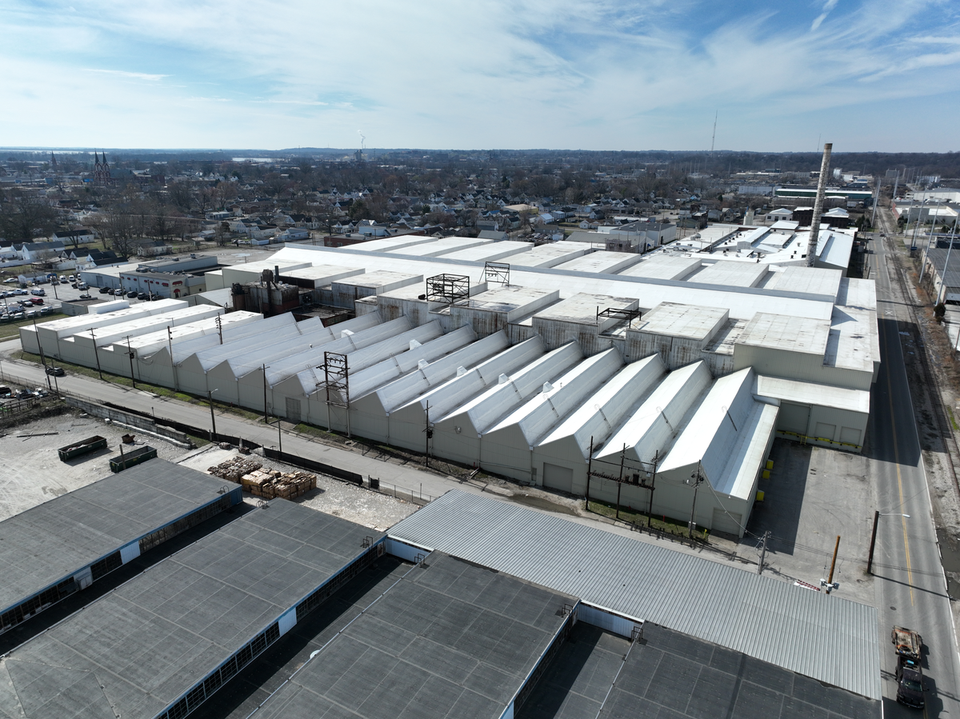
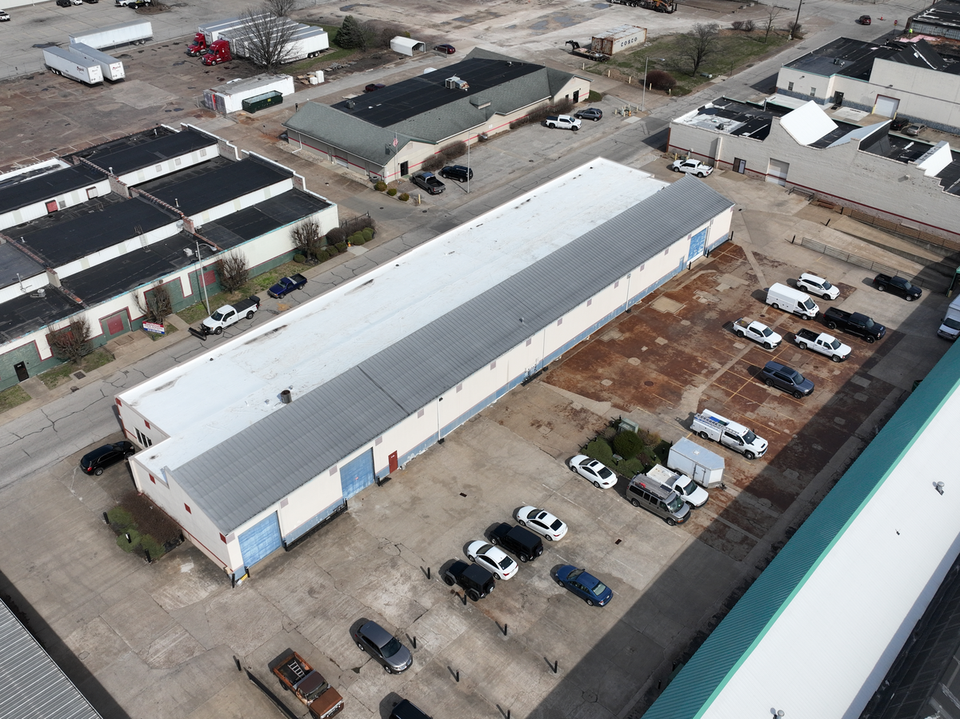
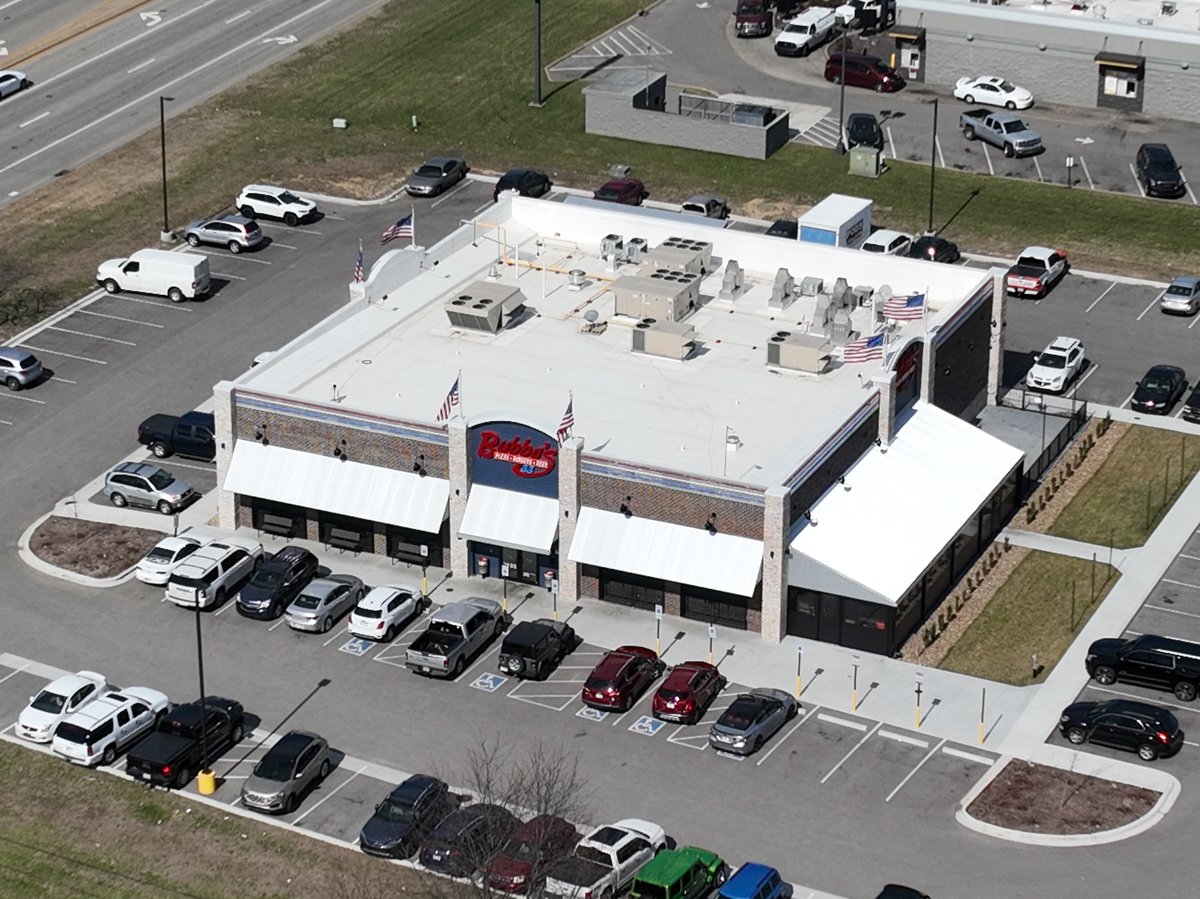
Recent Projects
La Quinta Roof Replacement: A Case Study in Expert Roofing and Storm Damage Restoration
COMPLETED DECEMBER 2024
frequently asked questions
Can Embry’s handle metal roof repairs as well as replacements?
Absolutely. Embry’s handles both small and large-scale metal roof repairs, including storm damage, leaks, and installation issues from previous contractors. Their expertise ensures metal roofing systems are restored to full function with long-lasting results.
Does Embry’s offer warranties on metal roofing?
Yes. Embry’s provides strong warranty coverage on their metal roofing systems. Residential projects may be eligible for a GAF Total System warranty covering 25 years on labor and materials, while commercial roofs include a 5-year workmanship warranty, with optional manufacturer warranties available through partners like Duro-Last and Mule-Hide.
What types of metal roofing does Embry’s install?
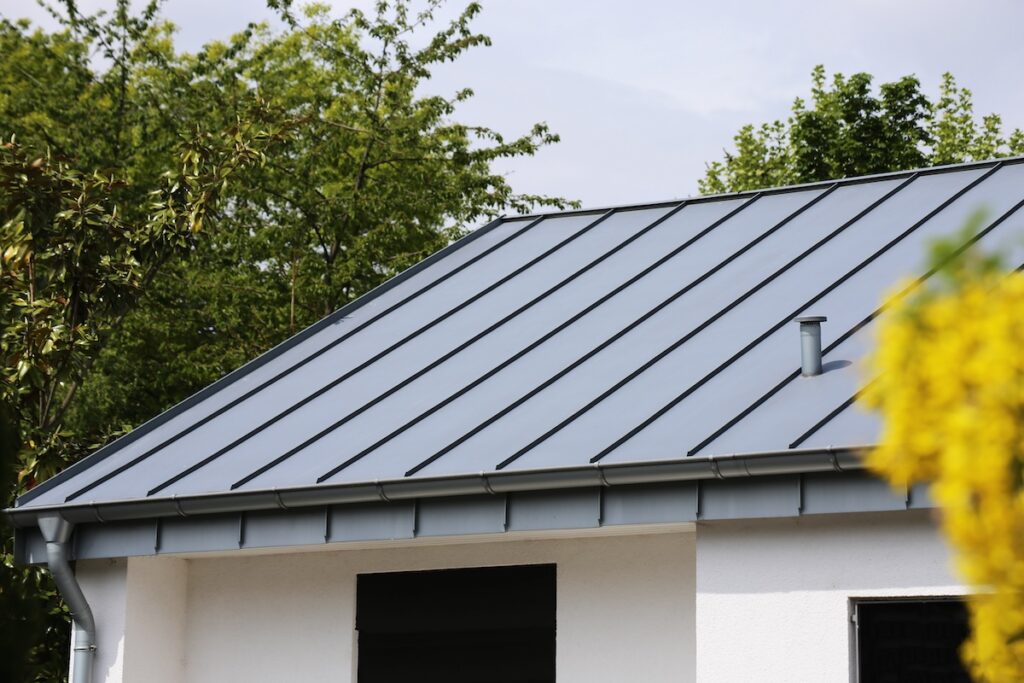
Embry’s installs a variety of commercial and residential metal roofing systems using trusted manufacturers like Metal Sales and Exceptional Metals. Whether your project requires standing seam panels, ribbed metal, or custom-fabricated materials, their team ensures a weather-tight and durable finish.
Why choose a metal roof from Embry’s over other options?
Metal roofs from Embry’s offer long-term performance, energy efficiency, and durability — especially important in the variable weather of southern Indiana. Their team’s knowledge of both materials and climate ensures you get a roof built to last with minimal maintenance and excellent curb appeal.
Proudly Serving Evansville and Surrounding Communities
Embry’s Roofing is based in Evansville, IN, and proudly serves homeowners and businesses throughout the surrounding area. Our local presence means we understand regional weather conditions, building requirements, and the importance of accountability. We’ve built our reputation by showing up, doing the work right, and standing behind every project we complete. Being rooted in the Evansville community allows us to provide responsive service, maintain strong relationships, and deliver metal roofing solutions our neighbors can trust long term.
CHECK OUT THE LATEST FROM OUR BLOG