812-853-8197
closed sign hanging outside a restaurant, store, office or other
WRITTEN BY The Embry's Team 7 minutes READ

Many property managers ask, do you need to close your business during a roof replacement, and the truth is that the answer depends on several factors. Some projects allow businesses to remain open with only minor adjustments, while others require short-term closures to maintain safety and efficiency. The key is working with a professional commercial roofing contractor who understands how to minimize disruption while protecting both people and property.

  • Minimize disruption: A well-planned project keeps your business operating with limited interruptions.
  • Protect people: Safety always comes first, and closures may be required to prevent accidents.
  • Plan ahead: Clear communication with your roofing contractor ensures smooth scheduling and preparation.

🔑 Key Factors That Influence Business Closures

Every roofing project is different, and whether you need to close depends on a mix of building type, project complexity, and safety requirements. Understanding these factors helps you prepare for what to expect during a roof replacement.

Professional workers insulating rooftop with bitumen membrane. Waterproofing details at construction site. Bituminous membrane waterproofing system details and installation on flat rooftop.

Type of Roofing System

The kind of roof on your building plays a major role in determining whether you can stay open. Flat commercial roofs, such as TPO, PVC, and EPDM systems, often allow contractors to work overhead without much interference inside. Low-slope membranes can usually be torn off and replaced in sections, reducing the impact on occupants. On the other hand, steep-slope roofing projects on retail centers or offices can create more falling debris, heavier equipment use, and increased noise levels that may affect day-to-day operations. Your contractor should evaluate your roofing system and recommend the safest approach.

Scope and Complexity of the Project

A roof overlay, where a new layer is installed on top of an existing one, may allow you to keep your doors open throughout the project. A complete tear-off, however, can expose sections of the building and require heavy debris removal, making it more disruptive. Larger buildings may require phasing strategies where one part of the roof is completed while other areas remain accessible. If your property has sensitive interior spaces like labs, clinics, or food service areas, additional precautions may be necessary to prevent contamination during the work.

  • Safety requirements: OSHA guidelines sometimes require temporary closures for specific high-risk tasks.
  • Customer traffic: Businesses with high customer volume may find it easier to schedule short closures rather than work through disruptions.
  • Structural condition: If the existing roof has significant damage, portions of the interior may need to be cleared or closed for safety.

🏢 How To Stay Open During a Roof Replacement

The good news is that many businesses can remain open with careful planning. Contractors with commercial experience know how to create a project strategy that balances progress on the roof with ongoing operations inside the building.

Strategic Scheduling

Adjusting work hours is one of the most effective ways to reduce impact. Roofing crews can schedule the noisiest or most disruptive tasks for evenings, weekends, or slower business hours. For example, tear-off work might be completed early in the morning before the bulk of your customers arrive, while quieter detail work is done during the day. By aligning the roofing schedule with your business operations, you can continue serving customers while the project moves forward.

Communication With Staff and Tenants

Keeping everyone in the loop is essential when roofing work is underway. Employees, tenants, and customers need to know what areas are safe, which entrances are available, and when noise levels may increase. A daily update from your contractor can help managers and staff prepare for changes and answer questions confidently. When people know what to expect, they feel more comfortable navigating the building during construction.

  • Site safety planning: Barricades, signage, and designated walkways guide customers safely through the property.
  • Noise management: Grouping loud work into specific time blocks prevents constant disruptions.
  • Phased work: Dividing the roof into sections allows certain areas of the building to remain fully functional.

Waiter Serving Group Of Female Friends Meeting For Drinks And Food In Restaurant

✅ 5 Practical Options to Reduce Disruption

Business continuity is a priority during a roof replacement, and there are proven methods to limit downtime. Here are five practical strategies that keep operations moving while your new roof is installed.

  1. Off-hours work: Crews perform major tasks during evenings or weekends to avoid interfering with your busiest times.
  2. Overlay roofing systems: If code allows, installing a new roof over the old one reduces tear-off noise and debris.
  3. Rotating closures: Different entrances or wings close temporarily while others remain open to staff and customers.
  4. Quiet windows: The most disruptive tasks are grouped into scheduled periods, while quieter work fills the rest of the day.
  5. Planned short shutdowns: In some cases, a single day of closure is scheduled to complete major work quickly and safely.

👉 Why Contractor Expertise Matters

The experience and certifications of your roofing contractor play a critical role in whether you can stay open during a roof replacement. Companies that specialize in commercial roofing bring proven processes that protect people, property, and productivity.

Experience With Commercial Projects

Not all roofing contractors have the same level of commercial expertise. Large-scale buildings like warehouses, retail centers, and office complexes require specific planning for safety, noise control, and scheduling. A contractor with commercial experience understands how to phase work, coordinate crane lifts, and set up safe access routes without shutting down the entire building. This expertise minimizes disruption and ensures the project stays on track.

Safety Certifications and Training

Roof replacements take place directly above active workplaces, which means safety must be a top priority. Contractors with OSHA 10 and OSHA 30 certifications ensure crews are trained to identify and prevent hazards. Certification reduces the risk of accidents and gives property managers peace of mind. A team that takes safety seriously will let you know exactly when closures are necessary and when it is safe to remain open.

  • Predictable timelines: Experienced contractors finish projects efficiently with minimal surprises.
  • Better warranties: Certified installers provide access to extended manufacturer-backed warranties.
  • Peace of mind: Professional crews protect your property, your staff, and your customers every step of the way.

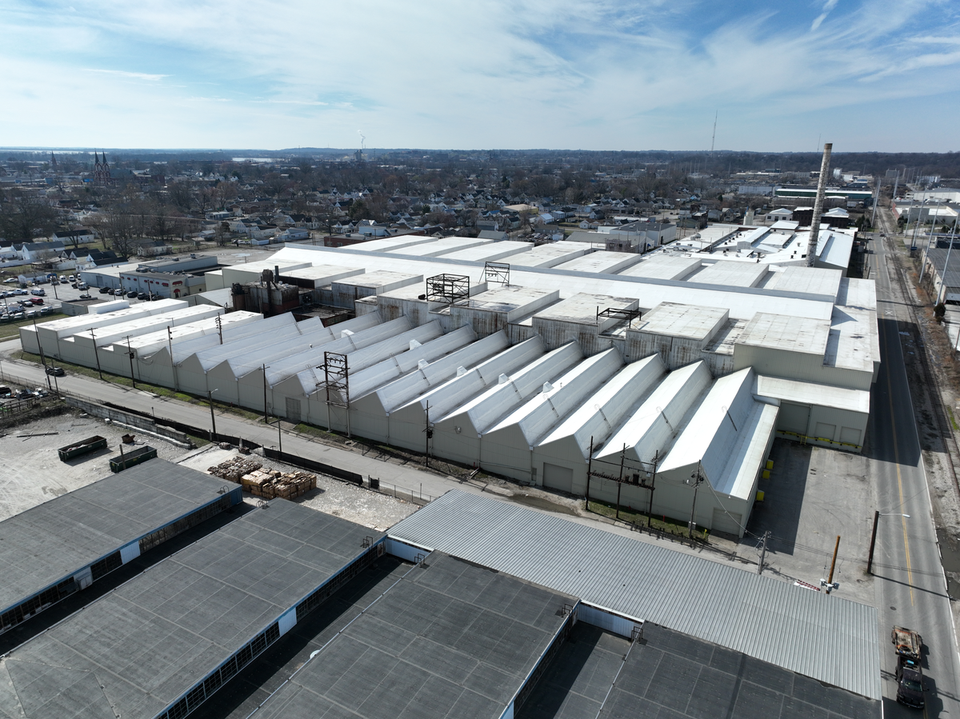
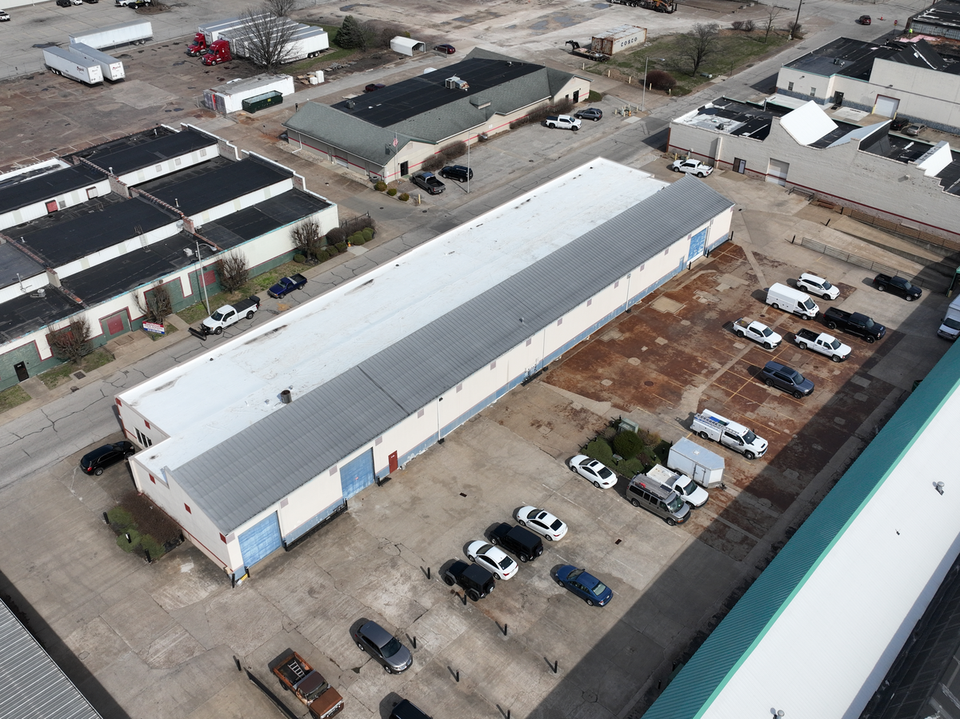
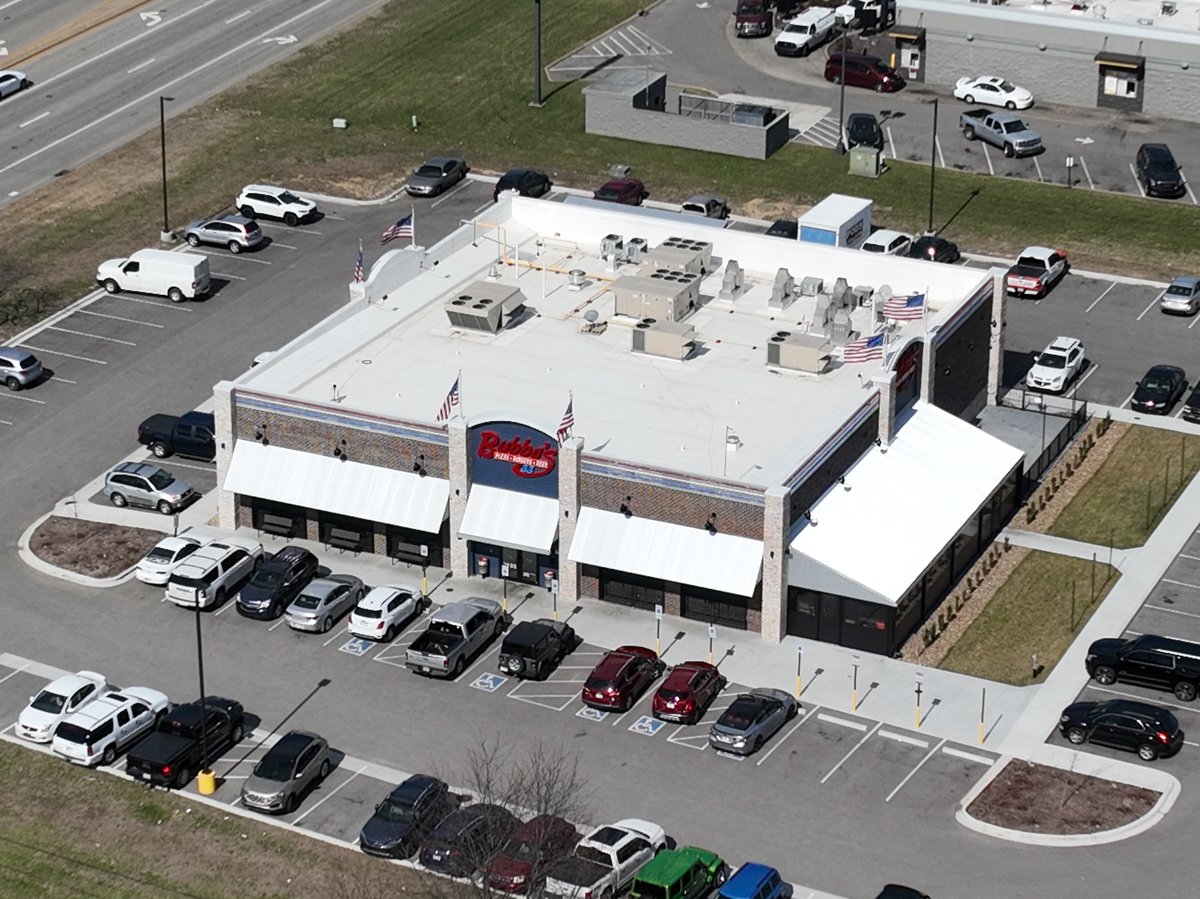
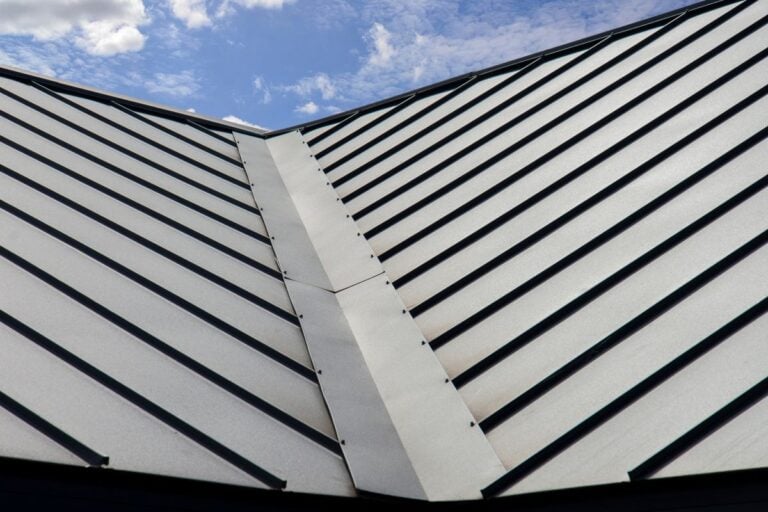
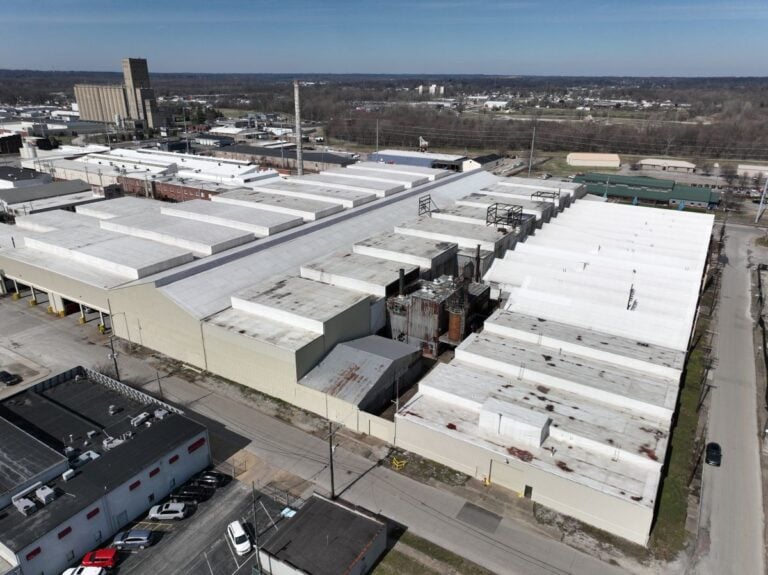
Drone Images of TPO Flat Commercial Roof With Metal Panels: New & Existing Construction

🤝 Why Businesses Trust Embry’s Roofing

When it comes to commercial roof replacements, Embry’s Roofing is the contractor local businesses rely on. We combine certifications, expertise, and strong communication to ensure your project is completed safely and with minimal disruption.

Commercial Credentials and Certifications

Embry’s Roofing is proud to hold leading certifications in the roofing industry. On the commercial side, we are GAF Master Contractors and certified with Mulehide, Durolast, and Ecostar, giving us access to proven systems and warranties. We are also HAAG certified commercial inspectors, which means we bring detailed knowledge of roof systems, storm damage, and safety standards to every project. These credentials ensure that your roof replacement is not only efficient but also backed by the industry’s top manufacturers.

Customized Planning for Each Property

Every business property is different, and Embry’s Roofing tailors each project to fit your operations. Our teams create project playbooks that outline schedules, safe access points, signage, and communication strategies. By planning ahead, we reduce surprises and keep your business running as smoothly as possible. Whether you manage a retail center, office building, or industrial facility, we provide the structure and expertise to minimize disruption while delivering a roof that lasts.

  • Local partnerships: Our manufacturer partnerships ensure quality materials and sustainable practices.
  • Sustainable practices: We recycle roofing materials such as PVC and TPO membranes whenever possible.
  • Residential expertise too: As GAF Master Elite contractors, we bring the same level of quality to homes as we do to businesses.

⭐️ Stay Open With Embry’s Roofing

So, do you need to close your business during a roof replacement? The answer is: not always. With the right contractor, many businesses remain open and continue serving customers throughout the project. When closures are necessary, a trusted roofing company will schedule them strategically and communicate clearly so your business runs smoothly.

Embry’s Roofing combines certifications, commercial expertise, and careful planning to ensure your roof replacement is safe, efficient, and minimally disruptive. Contact us today to schedule your free inspection and estimate, and let us help you plan a roof replacement that protects your business without putting it on hold.

professional workers repairing the commercial roof

Schedule Your Roof Inspection

Get Started Today!
Share to...